
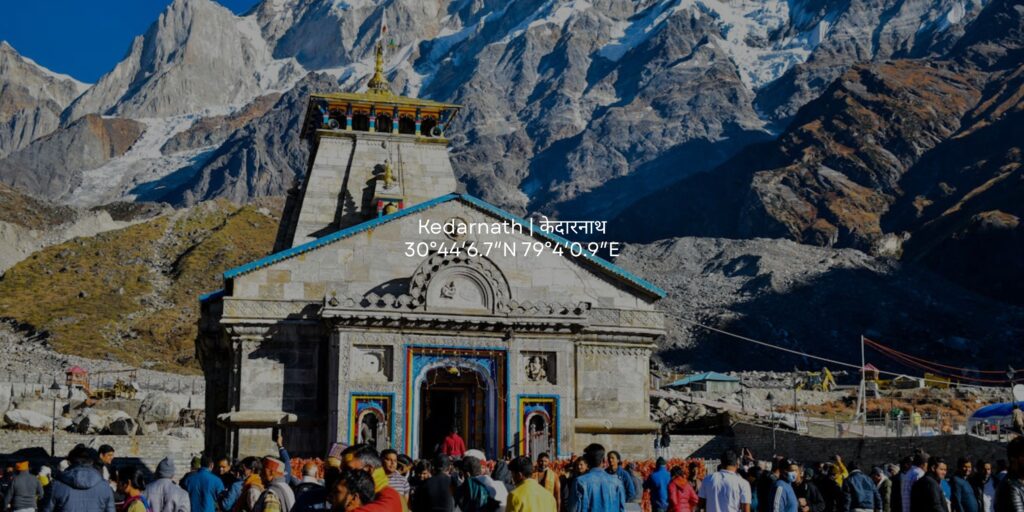
Weather in Kedarnath: Your Complete Guide (Forecasts, Seasons & Travel Tips)
Kedarnath, perched at 3,583 meters above sea level in Uttarakhand’s Garhwal Himalayas, is one of India’s most revered pilgrimage destinations. Beyond its spiritual importance, Kedarnath is a stunning Himalayan paradise, surrounded by glaciers, snow-capped peaks, alpine meadows, and flowing rivers.
Understanding the weather in Kedarnath is essential because the region experiences rapid and unpredictable climate changes. Clear skies can quickly turn into mist, rain, or snow. Checking the weather forecast in Kedarnath ensures a safe, comfortable, and fulfilling pilgrimage or trek.
In this guide, we’ll dive deep into:
What drives the weather in Kedarnath
Month-by-month climate breakdown
Best time to visit
Forecasts and real-time weather sources
Tips on what to pack, safety, and route considerations
Local attractions and how weather affects them
FAQs and important cautions
Let’s explore the climate of Kedarnath, so your trip is better informed and more enjoyable.
Note:- By following this guide, you can experience Kedarnath safely, whether for pilgrimage, trekking, or photography.
Why Weather in Kedarnath Is So Unpredictable
Before we look at numbers, it’s important to understand what makes weather in Kedarnath especially volatile:
High altitude & rugged terrain — At 3,583 m, even minor atmospheric changes can cause sharp temperature shifts, sudden snowfall, or heavy winds.
Monsoon and orographic effects — Moisture-laden monsoon winds from the south lift against the Himalayas, causing heavy rains and frequent cloud cover in summer.
Glacial influence & snow melt — The presence of glaciers and snowfields nearby modulates temperature swings and local microclimates.
Seasonal transitions — Spring melt, autumn drying, and winter freeze each bring abrupt changes over days or even hours.
In Kedarnath, a bright morning can easily turn into mist, rain, or even snowfall by afternoon that’s how unpredictable the Himalayan weather can be. This is why keeping track of updated forecasts and staying flexible with your plans is key to a safe visit.”
Real-Time & Short-Term Weather Forecasts for Kedarnath
To plan your itinerary, you should always consult reliable, real-time weather sources. Many mountain forecasts include:
High / low temperature
Chance of precipitation (rain or snow)
Wind speed & direction
Sunrise and sunset timing
Visibility and cloud cover
Here’s a sample 7-day weather forecast in Kedarnath (for illustration) showing how variable conditions can be:
| Date | Expected Condition | High / Low (°C) | Rain / Snow Chance | Wind | Notes |
|---|---|---|---|---|---|
| Oct 10 | Mostly Sunny | 14 / 4 | ~10% | 8 km/h | Clear in morning, possible clouds late |
| Oct 11 | Light Rain | 12 / 3 | 40% | 10 km/h | Carry rain protection |
| Oct 12 | Snow Showers | 9 / 0 | 60% | 12 km/h | Higher chance of snowfall at night |
| Oct 13 | Partly Cloudy | 11 / 2 | 15% | 6 km/h | Better for trekking |
| Oct 14 | Clear | 13 / 3 | 5% | 7 km/h | Ideal day for darshan & photography |
| Oct 15 | Scattered Showers | 12 / 2 | 35% | 9 km/h | Be cautious in afternoon |
| Oct 16 | Light Snow | 8 / –1 | 55% | 11 km/h | Possible snow, delays likely |
Tip:- Always check the weather in Kedarnath the night before or early morning on your trekking day — mountain conditions can shift rapidly.
Seasonal Breakdown: Weather in Kedarnath, Month by Month
January – Frozen Serenity
January is peak winter, blanketing Kedarnath in snow. The valley becomes a serene, mystical landscape with crisp mountain air. Travel is limited, making it ideal for photography or solitude seekers.
Temperature: -10°C to -2°C
Conditions: Heavy snow, freezing cold, mostly clear skies
Travel Reality: Temple closed; trekking impossible
What You’ll See: Snow-laden peaks, frozen streams, pristine meadows
Why Avoid: Harsh conditions, inaccessible routes
Alternative: View Kedarnath from Guptkashi or Ukhimath safely
February – Snow-Covered Trails Continue
February remains bitterly cold with snow-covered valleys.
Temperature: -12°C to 0°C
Conditions: Icy winds, deep snow, clear intervals
Travel Reality: Temple closed; trekking not feasible
What You’ll See: Snowfields, frost-covered trees
Why Avoid: Frostbite risk, dangerous trails
Alternative: Base towns like Guptkashi or Chopta
March – First Signs of Thaw
March sees melting snow in lower regions, while upper trails remain icy. Spring begins to touch the valleys.
Temperature: -5°C to 6°C
Conditions: Partial snow cover, occasional sunshine
Travel Reality: Temple closed; base towns begin reopening
What You’ll See: Early green patches, blossoming rhododendrons
Why Avoid: Upper trekking routes unsafe
Alternative: Lower-altitude treks like Chopta or Tungnath
April – Awakening of the Valley
April brings warmer days and the first signs of greenery. Snow begins melting in most lower regions, and travelers can enjoy the early spring beauty of Kedarnath.
Temperature: 0°C to 12°C
Conditions: Sunny days, crisp mornings, occasional light snow
Travel Reality: Temple preparations underway; trek routes partially accessible
What You’ll See: Blooming rhododendrons, flowing rivers, melting snow patches
Why Avoid: Higher trekking routes still challenging due to leftover snow
Alternative: Explore base towns like Gaurikund or Sonprayag for scenic views
May – Opening Season
May marks the start of the pilgrimage season. With clear skies and moderate temperatures, both the temple and trekking routes are accessible, making it ideal for darshan and exploration.
Temperature: 5°C to 18°C
Conditions: Pleasant, mostly sunny, chilly nights
Travel Reality: Temple open; increasing pilgrim traffic
What You’ll See: Lush green meadows, rivers flowing at full capacity, alpine flowers
Why Avoid: Peak tourist season can cause crowding
Alternative: Visit early in the month or during weekdays to avoid crowds
June – Peak Pilgrimage
June brings ideal weather for trekking and temple visits. While the skies are mostly clear, occasional afternoon clouds may appear.
Temperature: 8°C to 20°C
Conditions: Clear skies, warm days, occasional afternoon clouds
Travel Reality: High pilgrim traffic; perfect for trekking
What You’ll See: Full bloom of alpine flowers, snow-melt streams, panoramic mountain views
Why Avoid: Afternoon showers may occur later in the month
Alternative: Start treks early in the day to enjoy clear weather
July – Monsoon Arrives
July marks the start of the monsoon season. Heavy rains, fog, and mist reduce visibility and make trekking hazardous.
Temperature: 6°C to 16°C
Conditions: Frequent rain, low visibility, mist-covered valleys
Travel Reality: Trekking may be unsafe; landslides possible
What You’ll See: Roaring rivers, waterfalls at their peak, misty mountains
Why Avoid: Landslide risk and route closures
Alternative: Visit lower-altitude destinations like Chopta or Deoria Tal
August – Peak Monsoon
August sees the heaviest rains. While the landscape is lush and vibrant, travel becomes extremely difficult.
Temperature: 7°C to 15°C
Conditions: Continuous rain, fog, and cloud cover
Travel Reality: Trekking often unsafe; road closures frequent
What You’ll See: Green valleys, swollen rivers, heavy mist
Why Avoid: Risk of landslides and poor visibility
Alternative: Delay travel until post-monsoon or explore safer low-altitude towns
September – Post-Monsoon Clarity
September brings clear skies, mild temperatures, and safe trekking conditions. The valley is vibrant after the monsoon.
Temperature: 6°C to 17°C
Conditions: Clear skies, mild days, calm weather
Travel Reality: Temple and trekking routes reopen; good for pilgrimage
What You’ll See: Lush meadows, clean rivers, panoramic mountain views
Why Avoid: Occasional late showers possible
Alternative: Carry light rain gear for unexpected drizzle
October – Autumn & Golden Views
October is one of the most picturesque months, with clear skies, golden meadows, and crisp air.
Temperature: 3°C to 14°C
Conditions: Dry, sunny days, occasional early snow
Travel Reality: Temple still open; fewer crowds than summer
What You’ll See: Golden meadows, early snow-capped peaks, long shadows
Why Avoid: Cold nights, possible early snow
Alternative: Explore nearby Ukhimath or Chopta if snow begins early
November – Closing Season
November signals the end of the pilgrimage season. Temperatures drop, and the temple closes.
Temperature: -2°C to 8°C
Conditions: Cold, occasional snowfall, frost in mornings
Travel Reality: Temple closed; roads quieter
What You’ll See: Frost-covered landscapes, empty valleys, serene mountain views
Why Avoid: Limited facilities, harsh weather
Alternative: Visit Ukhimath or Guptkashi for a safe winter experience
December – Winter Returns
December marks the start of heavy snowfall. The region becomes isolated, creating a serene winter wonderland.
Temperature: -8°C to 2°C
Conditions: Snow-covered trails, icy winds, frozen rivers
Travel Reality: Temple inaccessible; trekking impossible
What You’ll See: Snow-clad mountains, pristine white valleys, winter silence
Why Avoid: Extreme cold, avalanche risk
Alternative: Base towns like Ukhimath or Guptkashi for safe winter views
Best Time to Visit (Weather in Kedarnath Considerations)
To maximize the chances of good weather and accessibility:
Optimal months: May to June & September to mid-October
Why: Clear skies, stable weather, open temple, accessible routes
Less ideal: Monsoon months (July–August) due to landslides and heavy rains
Not recommended: Late October onward or December–April (snow blocks access)
What to Pack (Based on Weather in Kedarnath)
Packing smartly is crucial for staying comfortable and prepared in Kedarnath’s changing weather.. Your list should adjust depending on the season, but here’s a general guide:
| Season | Months | Weather Overview | What to Pack | Travel Tips & Safety Advice |
|---|---|---|---|---|
| 🌼 Summer | May–June | Pleasant 8°C–20°C, clear skies | Light woollens, sunscreen, trekking shoes | Trek early, stay hydrated, enjoy darshan |
| 🌧️ Monsoon | July–September | Heavy rain, mist, landslides | Waterproof gear, quick-dry clothes, boots | Avoid peak rainfall, check forecast daily |
| 🍁 Autumn | October–November | Clear skies, cool days | Thermals, fleece, gloves | Ideal for trekking; fewer crowds |
| ❄️ Winter | December–April | Freezing cold, snow | Heavy jackets, snow boots, thermal inners | Temple closed; stay at Ukhimath or Guptkashi |
Other essentials:
Trekking poles
Daypack/raincover
First-aid kit (altitude sickness medicine, blister treatment)
UV-blocking sunglasses & sunscreen
Water bottles with insulation
Snacks / energy food
Headlamp with extra batteries
Weather & Travel Safety Tips
Always check the latest weather forecast in Kedarnath before starting – conditions may shift quickly.
Start your trek early in the morning — afternoons are more prone to rain or clouds.
Carry rain cover even if skies look clear at departure.
Avoid trekking during peak monsoon (July–August) if possible.
In case of storms or snowfall, keep your itinerary flexible and be prepared to wait, delay, or return safely.
Hire experienced local guides who know microclimates and route safety.
Stay hydrated and allow your body to acclimatize slowly to prevent altitude sickness.
Don’t ignore local advisories about landslides, route closures, or sudden snow.
Major Attractions & How Weather Impacts Them
Kedarnath isn’t just a spiritual destination — it’s a breathtaking blend of divine energy, natural grandeur, and Himalayan adventure. Nestled at an altitude of 3,583 meters in Uttarakhand’s Rudraprayag district, the town is one of the most revered Char Dham pilgrimage sites in India. Beyond its sacred temple, Kedarnath offers mesmerizing treks, ancient legends, and serene lakes that make every visit unforgettable.
While the weather in Kedarnath governs your comfort and safety, it also shapes how and when you’ll experience the local attractions. Here are key sites and how best to plan around weather:
1. Kedarnath Temple – The Soul of the Himalayas
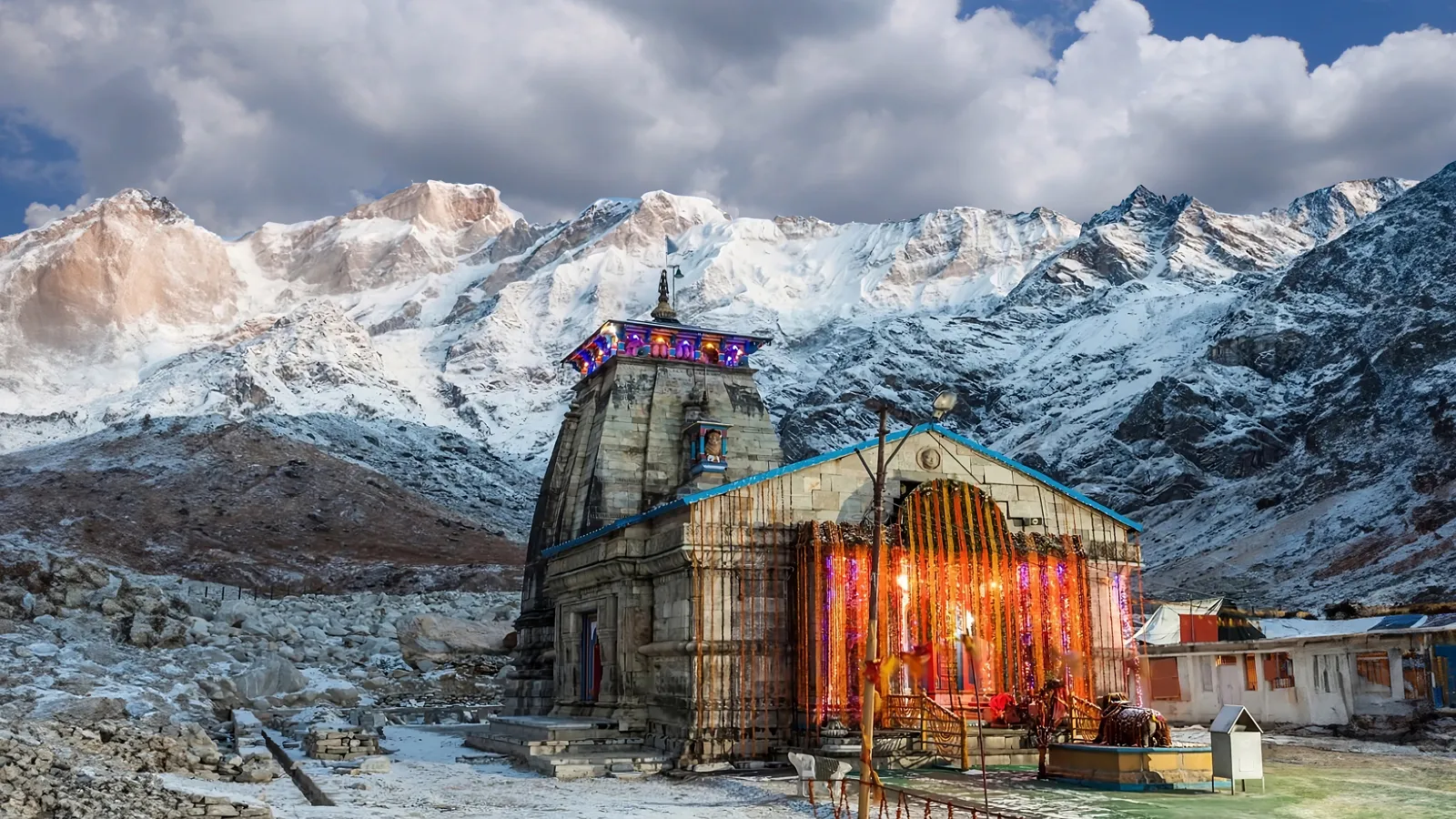
The Kedarnath Temple, dedicated to Lord Shiva, stands at the heart of this mystical valley. It’s one of the twelve Jyotirlingas, believed to have been built by the Pandavas and later revived by Adi Shankaracharya in the 8th century.
Highlights for Visitors:
Marvel at the stone architecture set against snow-capped peaks.
Witness the divine morning Aarti and evening Shringar rituals.
Experience serenity as temple bells echo across the Mandakini valley.
Note:- Best Time to Visit: May to October (before snowfall).
2. Bhairavnath Temple – The Protector of Kedarnath
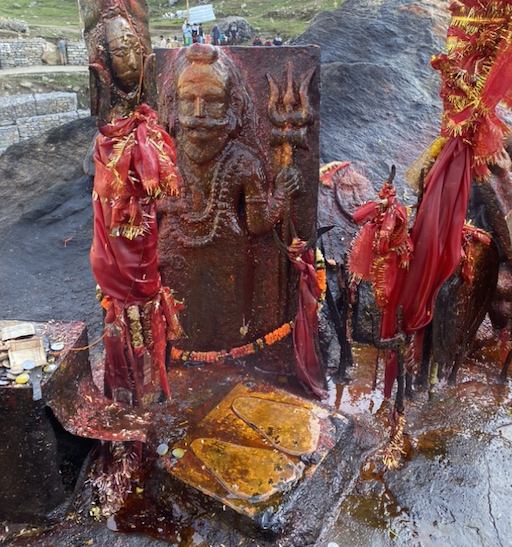
Just 500 meters uphill from the main temple, the Bhairavnath Temple offers sweeping views of the Kedarnath shrine and its surrounding glaciers. Devotees believe Lord Bhairav guards Kedarnath when it remains closed in winter.
Traveler Highlights:
A short but steep trek from the temple premises.
Perfect spot for aerial photography of Kedarnath valley.
Visit during sunrise or sunset for the most dramatic Himalayan light.
3. Vasuki Tal – The Hidden Himalayan Gem
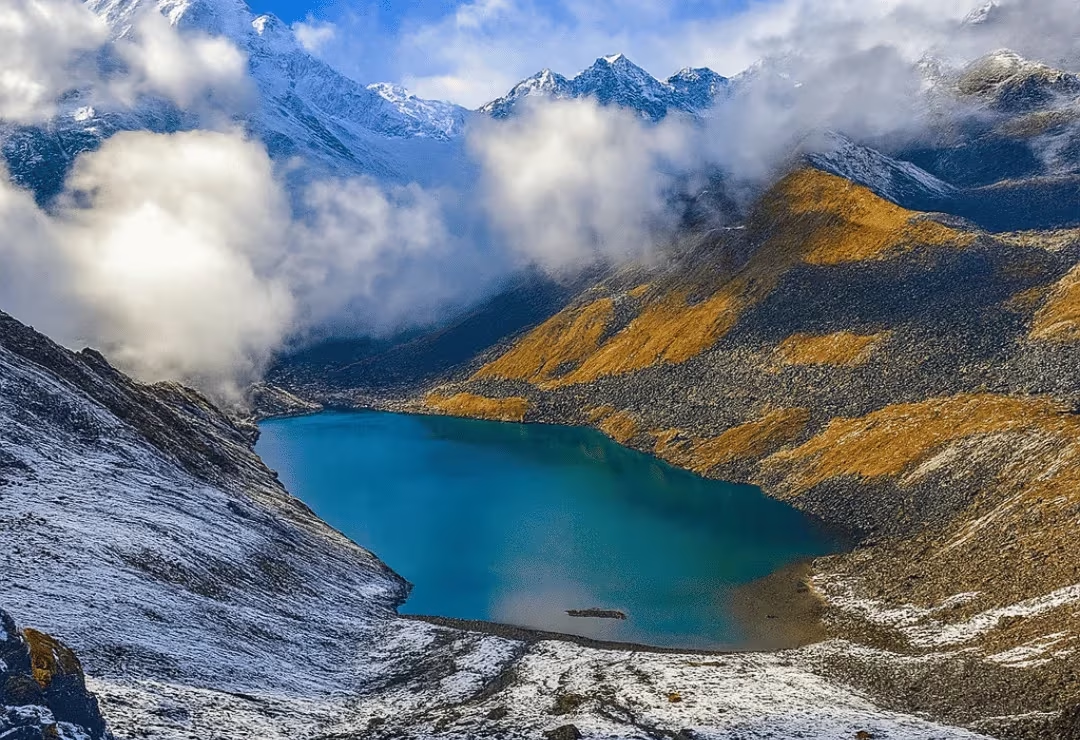
Adventure seekers find bliss in the Vasuki Tal Trek, a high-altitude glacial lake surrounded by wildflowers and snow-clad ridges. Located 8 km from Kedarnath, it rewards trekkers with unobstructed views of Chaukhamba Peaks.
Traveler Insight:
Trek Grade: Moderate to Challenging
Perfect for photographers and solitude seekers
Ideal Season: May–June & September–October
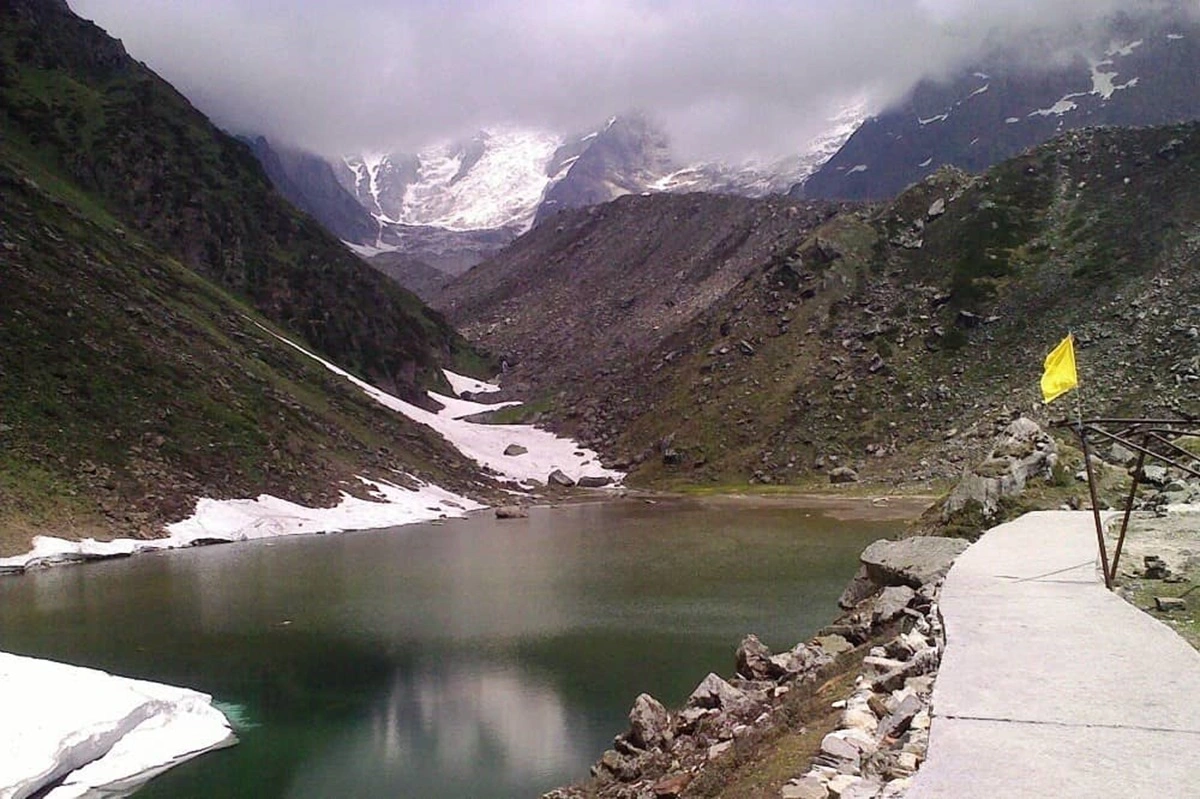
4. Chorabari Tal (Gandhi Sarovar) – The Mirror of the Mountains
Just 3 km from the Kedarnath Temple lies Chorabari Tal, a pristine glacial lake reflecting the mighty Kedarnath peak. Mahatma Gandhi’s ashes were immersed here, lending it the name Gandhi Sarovar.
Quick Facts:
Altitude: 3,900 meters
Best Time to Visit: May–June or September
Easy half-day trek from Kedarnath town
What Makes It Special:
Crystal-clear reflections, Himalayan silence, and sacred history.
5. Triyuginarayan Temple – The Eternal Flame of Love
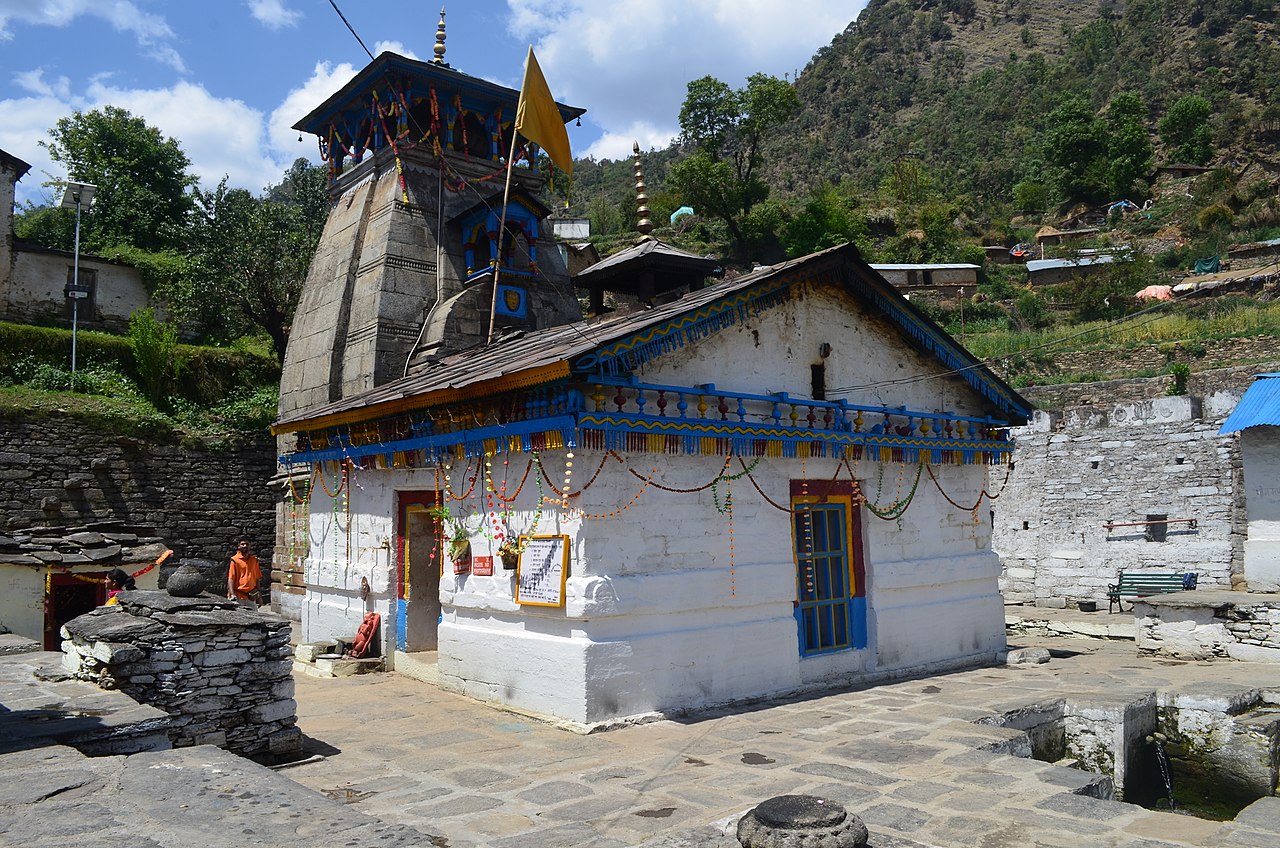
Located about 25 km from Kedarnath, Triyuginarayan Temple marks the celestial wedding site of Lord Shiva and Goddess Parvati. The eternal fire (Akhand Dhuni) has been burning since that divine event.
Visitor Highlights:
Peaceful Himalayan village backdrop.
Small sacred ponds (kunds) believed to cleanse sins.
A must-visit for mythological explorers.
Know the best time to visit Triyuginarayan temple here.
6. Mandakini River – The Sacred Flow
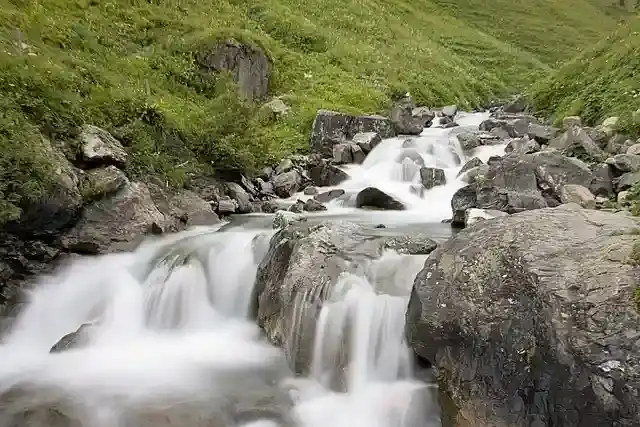
The Mandakini River, originating from the Chorabari Glacier, flows alongside the Kedarnath trekking route. Its glacial waters symbolize purity and renewal, accompanying travelers on their spiritual ascent.
Experience Tips:
Enjoy peaceful moments near its banks or meditation spots.
Ideal for nature photography and spiritual retreats.
7. Shankaracharya Samadhi – The Final Resting Place
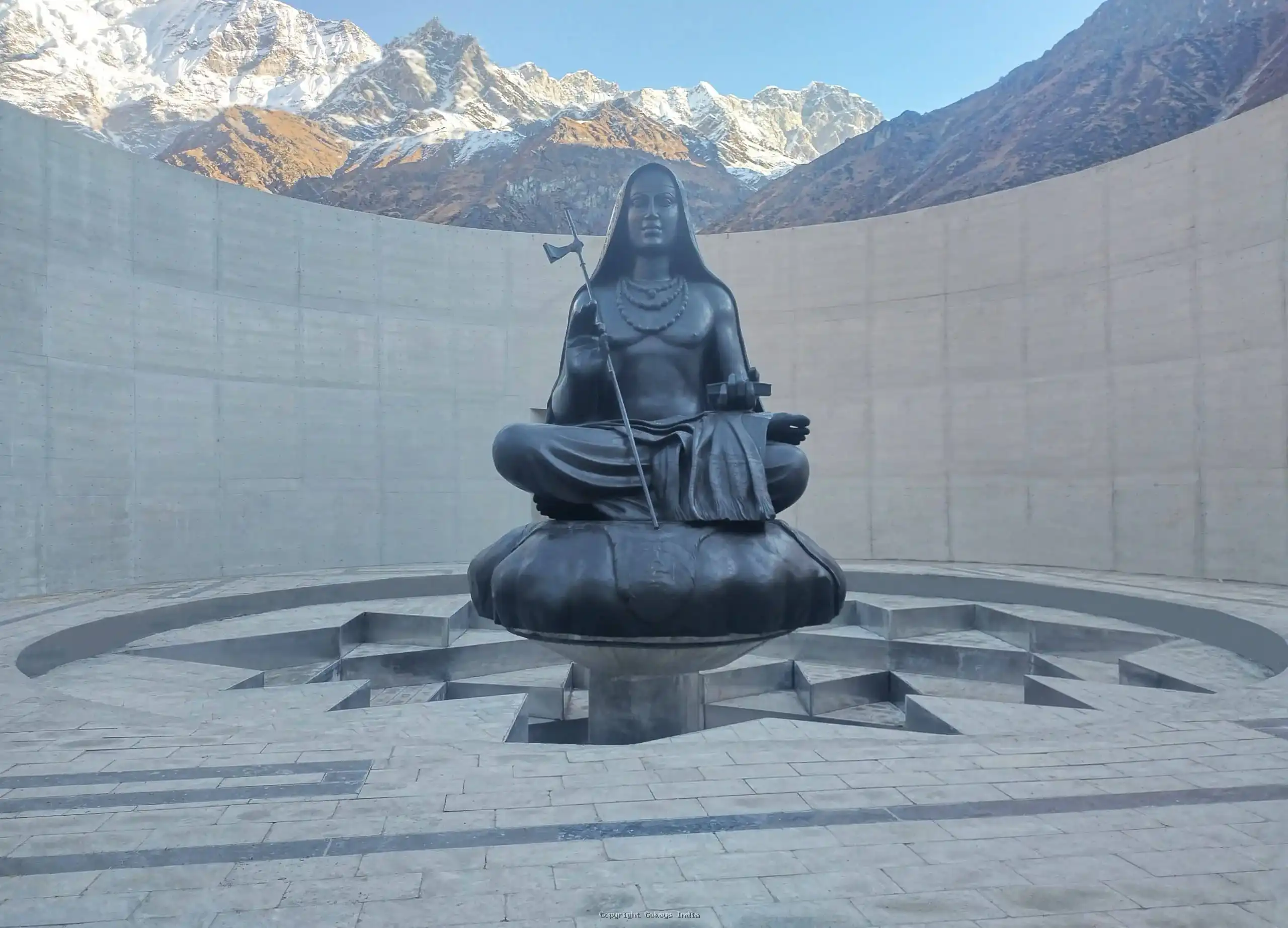
Behind the Kedarnath Temple lies the Samadhi of Adi Shankaracharya, the philosopher-saint who re-established Hindu spiritual unity and revived the Char Dham pilgrimage tradition.
Spiritual Highlights:
A serene memorial built amidst the mountains.
Meditative energy and chanting atmosphere.
Visit early morning for spiritual reflection.
8. Gaurikund – The Sacred Starting Point
Gaurikund, located 16 km below Kedarnath, serves as the base camp for the trek and holds immense mythological importance. Goddess Parvati is said to have meditated here to win Lord Shiva’s heart.
What to Explore:
Gauri Temple and natural hot water springs.
Bustling local bazaars and pilgrim halts.
Trek starting point for Kedarnath devotees.
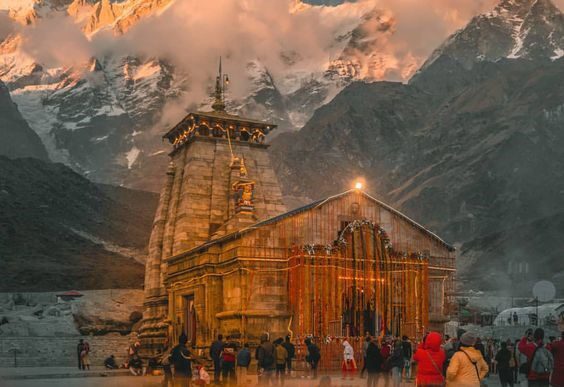
9. Kedarnath Valley Viewpoints – Nature at Its Best
Kedarnath offers multiple scenic points that present awe-inspiring Himalayan views, ideal for photography or quiet reflection.
Top Viewpoints:
Bhairavnath Hilltop
Helipad Ridge
Chorabari Trail ridge
Travel Tip: Visit early morning or dusk for golden Himalayan light and minimal crowds.
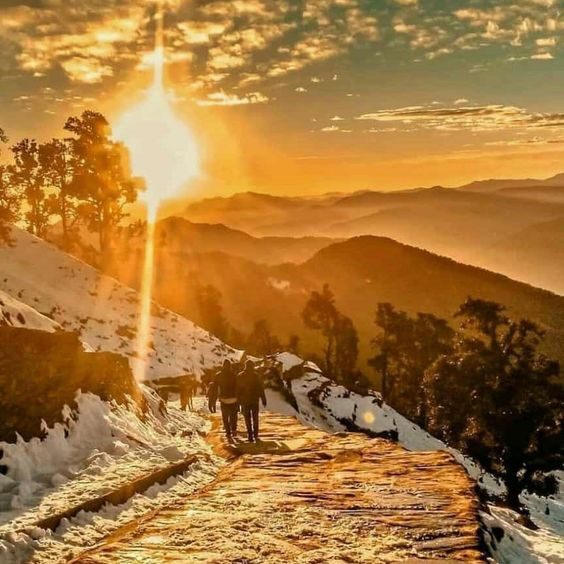
10. Kedarnath Helipad – The Gateway to the Skies
The Kedarnath Helipad is both a logistical marvel and an unforgettable experience. Located close to the temple, it connects Kedarnath to Phata, Guptkashi, and Sirsi, reducing travel time to under 10 minutes while offering a breathtaking aerial view of snow-clad peaks.
Helipad Highlights:
Scenic helicopter rides through the Mandakini valley.
Facilities: Ticket counters, waiting lounges, medical assistance.
Pro Tip: Book flights in advance during May–June and September–October.
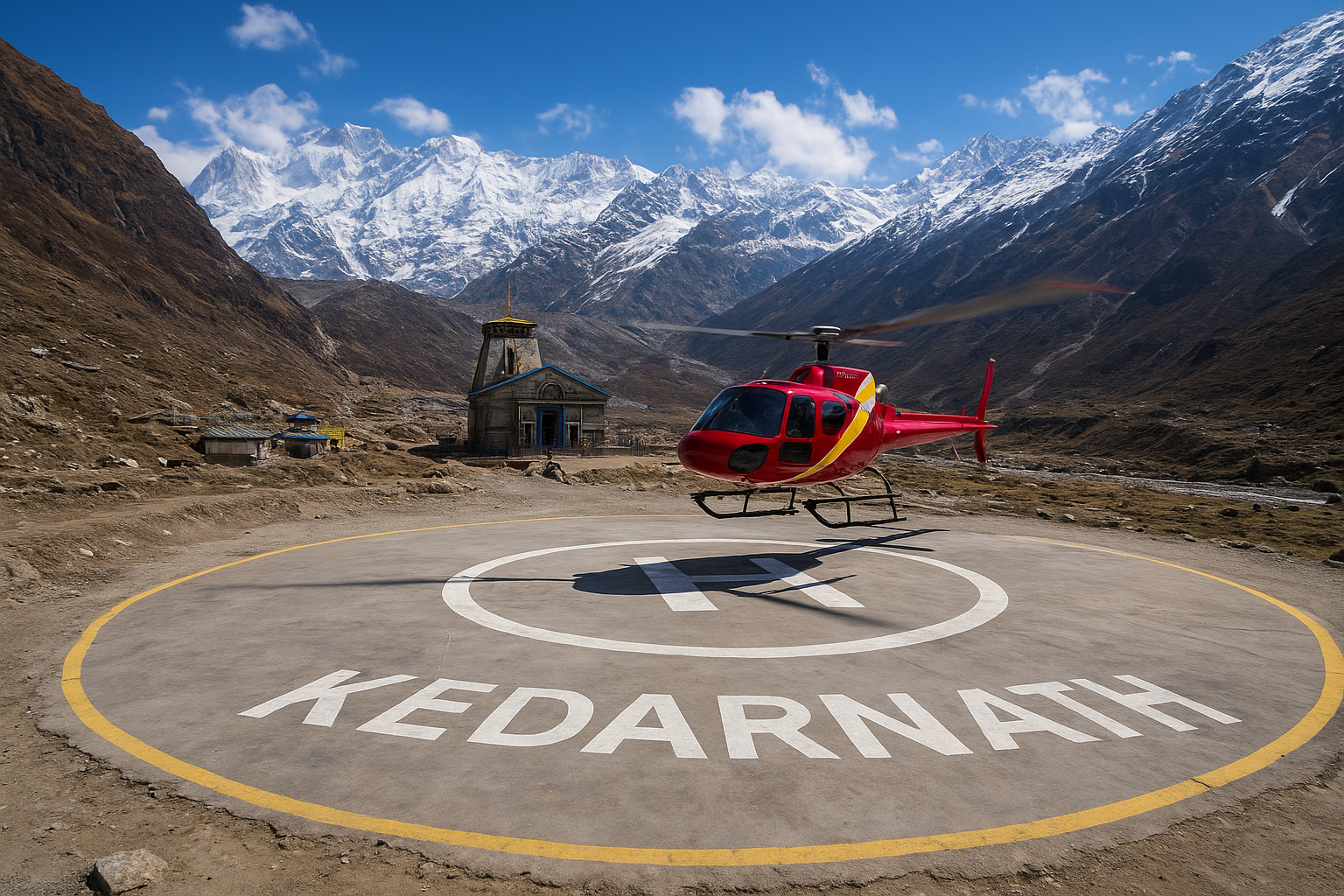
Kedarnath Helipad: Convenient, Scenic Access & How Weather in Kedarnath Affects It
The Kedarnath helipad provides a quicker and more comfortable way to reach the high Himalayan shrine, especially for pilgrims who want to avoid the long trek from Gaurikund. However, at an altitude of 3,583 m, its operations are heavily influenced by the weather in Kedarnath. Understanding how local conditions impact flights is key for planning a safe and enjoyable visit.
Why the Helipad Is Popular
The helipad is located just a short distance from the Kedarnath temple, making it ideal for pilgrims who prefer convenience without missing the scenic beauty of the region.
It significantly reduces travel time compared to trekking, which can take 6–8 hours depending on fitness and weather.
Flights provide stunning aerial views of snow-capped peaks, the Mandakini river, and alpine valleys when the weather in Kedarnath is clear.
How Weather in Kedarnath Impacts Helipad Operations
Because the helipad sits at high altitude, its safety and usability depend on several weather-related factors:
Visibility & Clouds: Fog, low clouds, or sudden mist can force flights to delay or cancel. Clear morning skies increase the chances of safe landings.
Wind & Turbulence: Mountain winds can change suddenly. Strong gusts may make take-off or landing unsafe, so flights are occasionally paused until conditions improve.
Rain or Snow: Heavy rain or snow, particularly after the monsoon or in early winter, can close the helipad temporarily. Snow must be cleared from the landing area before flights can resume.
Rapid Weather Changes: The weather in Kedarnath can shift quickly—sunny skies may turn cloudy, or storms may appear suddenly. This unpredictability often requires last-minute changes to flight schedules.
Safety Measures and Regulation
To manage the risks posed by the mountain weather, several measures are in place:
Pilots follow additional checks mandated by the DGCA for high-altitude operations.
Weather cameras and surveillance systems help monitor visibility, cloud cover, and other conditions in real time.
Flight operators make go/no-go decisions based on current and forecasted weather in Kedarnath, ensuring passenger safety.
Travelers are advised to stay flexible with schedules, as flights may be rescheduled or canceled without much notice.
Scenic Value
When the weather in Kedarnath is favorable, flying to the helipad offers breathtaking views:
Snow-capped Himalayan peaks and green valleys in clear sunlight.
The Mandakini river winding through the valley.
Stunning sunrise or golden-hour lighting for photography.
Even with occasional clouds or mist, the aerial perspective gives travelers a unique and memorable experience of the region.
Note:- The Kedarnath helipad provides convenient and scenic access, but its use depends heavily on the weather in Kedarnath. Pilgrims who plan ahead, monitor forecasts, and remain flexible can enjoy a safe, spectacular journey to one of India’s most revered Himalayan shrines.
Frequently Asked Questions for Weather in Kedarnath
Q1. What is the current weather in Kedarnath?
The current weather in Kedarnath changes quickly due to its high Himalayan altitude. On average, daytime temperatures range between 10°C–15°C, while nights drop to around 0°C–5°C. Before traveling, always check real-time forecasts from the India Meteorological Department or trusted weather apps for updated rain, snow, and wind conditions.
Q2. What is the best time to visit Kedarnath according to weather?
The Kedarnath helipad allows travelers to fly from Phata, Guptkashi, or Dehradun directly to Kedarnath in 45–60 minutes, bypassing the 16–18 km trek. This is perfect for elderly pilgrims, families, or those short on time.The best time to visit Kedarnath is from May to June and September to mid-October. During these months, the weather is clear and pleasant, with minimal rain and stable temperatures around 12°C–20°C. This period ensures safe trekking, helicopter operations, and open temple access.
Q3. Does it snow in Kedarnath, and when can I see snowfall?
Yes, Kedarnath receives heavy snowfall between November and March. Snow begins lightly in late October and can pile up several feet deep by January. While the temple remains closed in winter, surrounding peaks like Chorabari Tal and Bhairavnath Hill offer beautiful snow-covered views for adventure trekkers.
Q4. How is the weather in Kedarnath during monsoon?
From July to August, Kedarnath weather turns unpredictable due to the monsoon. Expect frequent rain, fog, and landslides. Visibility decreases, and trekking routes often become slippery. It’s best to avoid travel during this period unless essential, and always stay updated with local advisories.
Q5. What should I wear and pack for Kedarnath according to the weather?
Pack in layers — a thermal base, fleece mid-layer, and waterproof outer shell. Bring wool socks, gloves, rain gear, and sturdy trekking shoes. Even in summer, nights can be cold, so carry a warm jacket. During monsoon, use quick-dry clothes and rain protection; in October, add insulated gear for frost and chill.
Q6. Is the weather in Kedarnath suitable for photography or trekking?
Yes! The weather in Kedarnath is perfect for photography and trekking in May–June and September–October. You’ll find clear skies, golden sunlight, and snow-capped Himalayan peaks. Avoid monsoon months for trekking due to low visibility and high risk of landslides.
Q7. How to stay safe in unpredictable Kedarnath weather?
Stay informed through local updates, start early for treks, carry rain and snow protection, and travel with a registered guide. In case of heavy rain or snow warnings, postpone or halt travel. Respect nature’s pace — the weather in Kedarnath changes fast, but good preparation ensures a safe, memorable journey.