Visa Requirement: Most travelers can apply for an e-visa online, valid for 90 days with multiple entries (as of 2025).
Visa-Free Entry: Citizens from 25+ countries including Japan, South Korea, France, Germany, and most ASEAN nations can enter visa-free for 14–45 days, depending on nationality.
Currency: The official currency is the Vietnamese Dong (VND).
Exchange Rate (2025): 1 USD ≈ 25,000 VND.
Payments: Cash is widely used, especially in local markets and smaller towns. Cards and e-wallets like Momo and ZaloPay are accepted in major cities and hotels.
Travel Tip: Always keep smaller denominations for taxis, food stalls, and temple visits.
Welcome to Your Ultimate Vietnam Travel Guide
Vietnam is a country that awakens every sense — the aroma of street food sizzling on roadside grills, the buzz of scooters rushing through narrow alleys, and the sight of emerald rice terraces stretching toward misty mountains. It’s a destination where history, nature, and culture blend seamlessly to create an experience that feels both timeless and full of energy.
From the limestone cliffs of Ha Long Bay and the lantern-lit streets of Hoi An to the lively chaos of Hanoi and Ho Chi Minh City, Vietnam offers endless contrasts. One moment you’re exploring ancient temples and the next, you’re sipping iced coffee in a hip café overlooking the city skyline.
Tourism in Vietnam has been booming — the country welcomed over 10.7 million international visitors in the first half of 2025, a 20% rise from the previous year. Its mix of affordability, scenic beauty, and welcoming locals makes it one of Southeast Asia’s most loved travel destinations.
Whether you’re here for adventure, culture, beaches, or food that will ruin all other noodles for you, this Vietnam Travel Guide will help you plan the perfect trip and make the most of your journey through this captivating country.
Visa & Currency
Language & Local Food in Vietnam
Language:
The official language is Vietnamese.
English is commonly spoken in tourist areas like Hanoi, Da Nang, and Ho Chi Minh City.
Learning simple words like “Xin chào” (Hello) and “Cảm ơn” (Thank you) is appreciated by locals.
Food:
Vietnamese cuisine is known for its fresh herbs, balance of flavors, and healthy ingredients.
Must-try dishes: Pho (noodle soup), Bánh mì (Vietnamese sandwich), and Gỏi cuốn (spring rolls).
Each region has its specialty — northern food is mild, central is spicy, and southern is sweet.
Street food is a big part of the culture — safe, affordable, and delicious.
Tip: Try enjoying a bowl of Pho at a local street stall — it’s the most authentic way to experience Vietnamese food culture.
Best Time to Visit Vietnam
If you’re planning your Vietnam trip, here’s the best time to visit Vietnam to make the most of its weather and experiences.
Ideal Season: The best time to visit Vietnam is from November to April, when the weather is pleasantly cool and dry across most regions.
North Vietnam (Hanoi, Sapa, Ha Long Bay): Best from October to April — expect cooler temperatures and clear skies.
Central Vietnam (Hue, Hoi An, Da Nang): Visit February to August for sunny beach days and minimal rain.
South Vietnam (Ho Chi Minh City, Mekong Delta): Best between December and April, during the dry season.
Avoid: The monsoon season (May to October) brings heavy rainfall and occasional flooding, especially in the central region.
Places to Visit in Vietnam
Here are some of the top places to visit in Vietnam that capture the country’s diverse beauty, culture, and charm:
Hanoi: The capital city where ancient charm meets modern energy. Wander through the Old Quarter, visit the Ho Chi Minh Mausoleum, and sip traditional egg coffee by Hoan Kiem Lake.
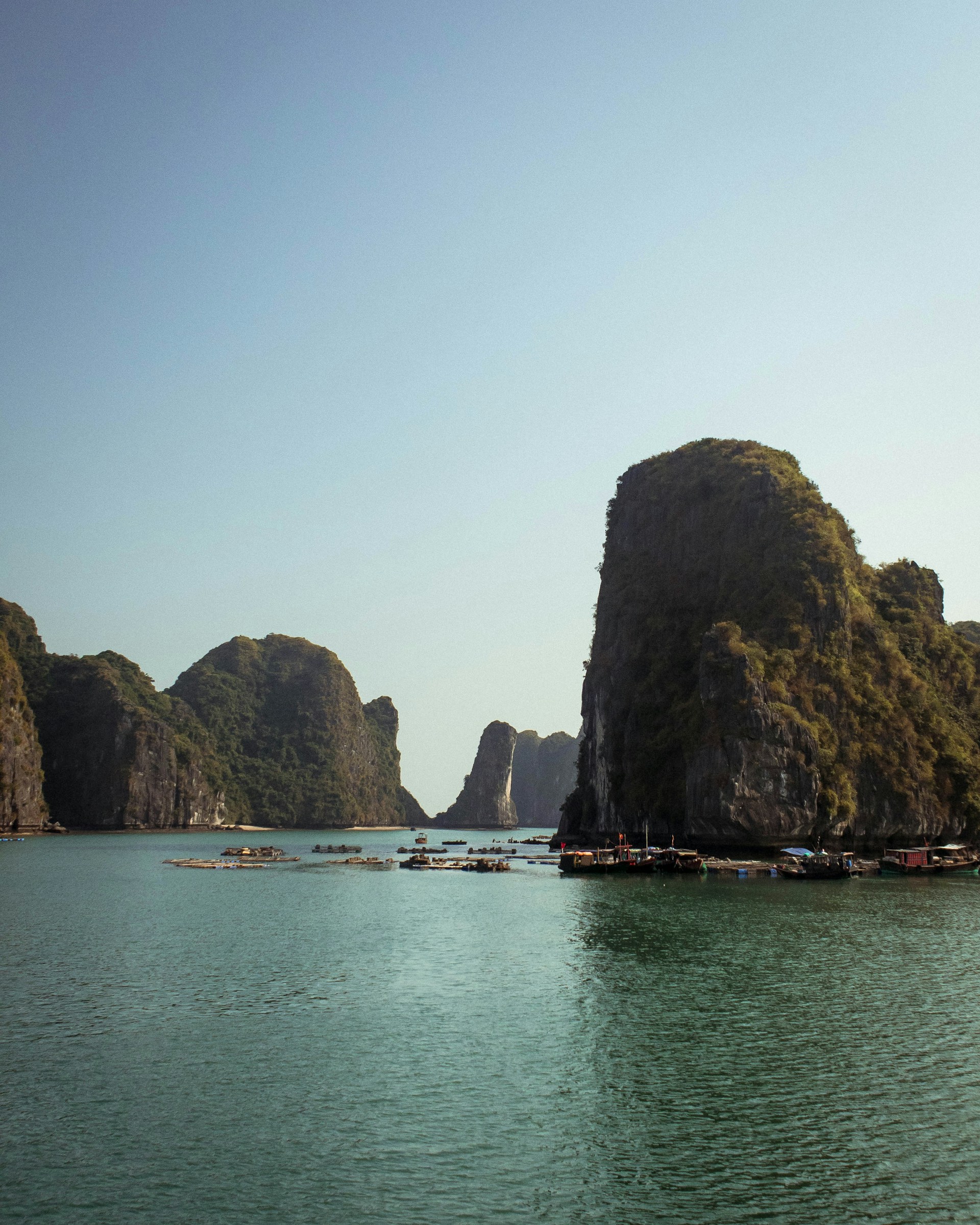
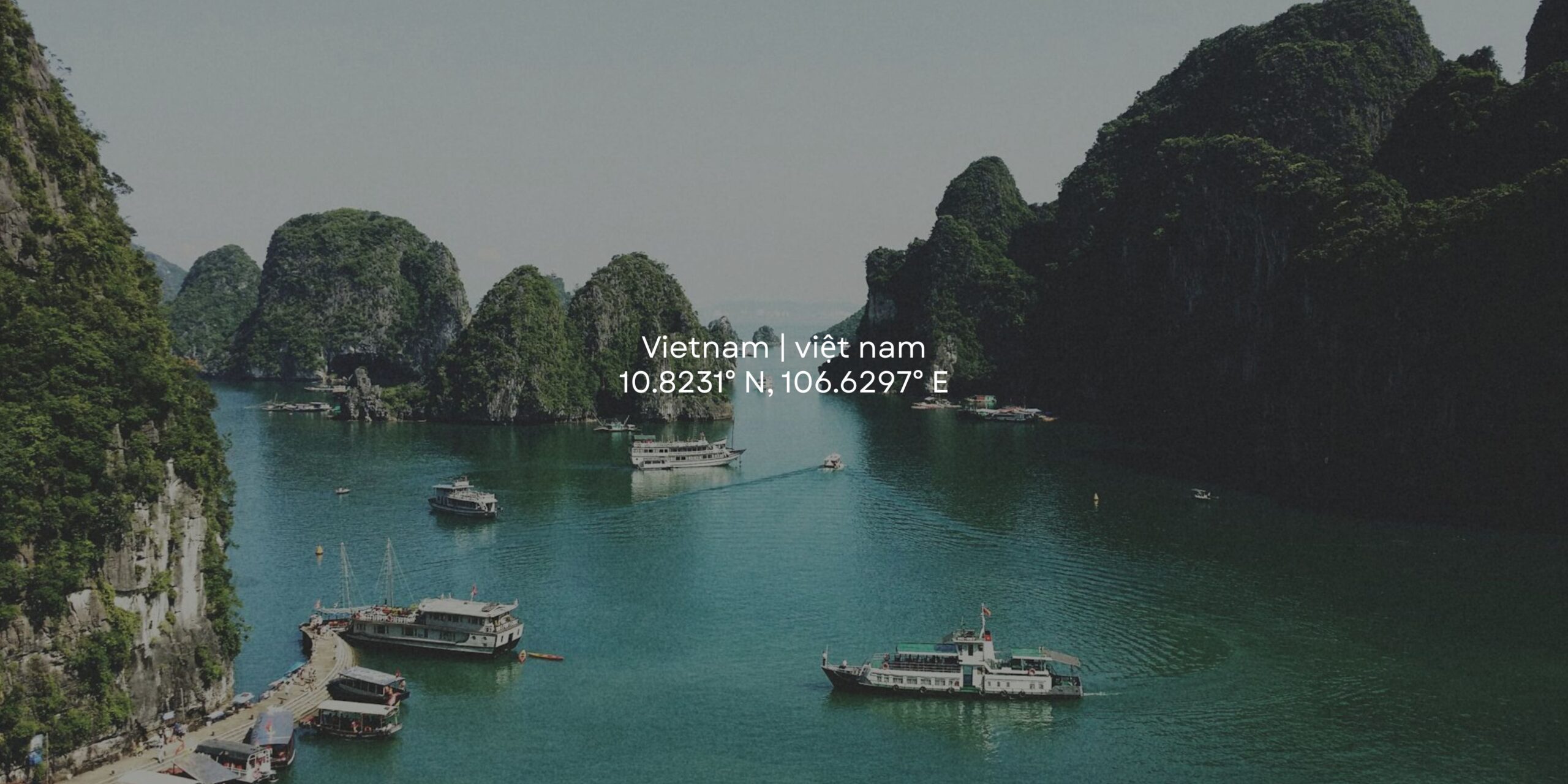
Ha Long Bay: A UNESCO World Heritage Site known for its limestone karsts and emerald waters — best explored by an overnight cruise.
Sapa: Nestled in the northern mountains, it’s famous for terraced rice fields, ethnic hill tribes, and scenic trekking routes.
Hue: The former imperial capital, home to the Citadel, royal tombs, and tranquil Perfume River.
Hoi An: A beautifully preserved ancient trading town glowing with lanterns, tailor shops, and riverside cafes.
Da Nang: Known for its clean beaches, Marble Mountains, and the Instagram-famous Golden Bridge held by giant hands.
Ho Chi Minh City (Saigon): Vietnam’s bustling commercial hub — explore Ben Thanh Market, Notre Dame Cathedral, and the War Remnants Museum.
Mekong Delta: A maze of rivers, floating markets, and villages offering a glimpse of Vietnam’s rural life.
Things to Do in Vietnam
Here are some of the best things to do in Vietnam that make it one of Asia’s most exciting travel destinations:
Cruise through Ha Long Bay: Sail past limestone cliffs, kayak through hidden lagoons, and spend a night on a traditional junk boat.
Trek the Rice Terraces of Sapa: Explore the misty hills, meet local Hmong and Dao tribes, and enjoy breathtaking mountain views.
Stroll the Lantern Streets of Hoi An: Visit the ancient town at night when hundreds of colorful lanterns light up the riverfront.
Explore the Cu Chi Tunnels: Step into Vietnam’s wartime history with a guided tour of this intricate underground network near Ho Chi Minh City.
Ride a Motorbike through the Ha Giang Loop: One of the most scenic road trips in the world, offering raw landscapes and authentic village experiences.
Relax on the Beaches of Da Nang and Nha Trang: Soak up the sun or try water sports like snorkeling, parasailing, and jet skiing.
Take a Food Tour in Hanoi or Saigon: Savor local favorites like pho, banh mi, and spring rolls at authentic street-side stalls.
Cruise the Mekong Delta: Discover floating markets, lush orchards, and riverside life at a slow, scenic pace.