Valley of Flowers Trek – A Complete Guide to the Himalayan Wonderland
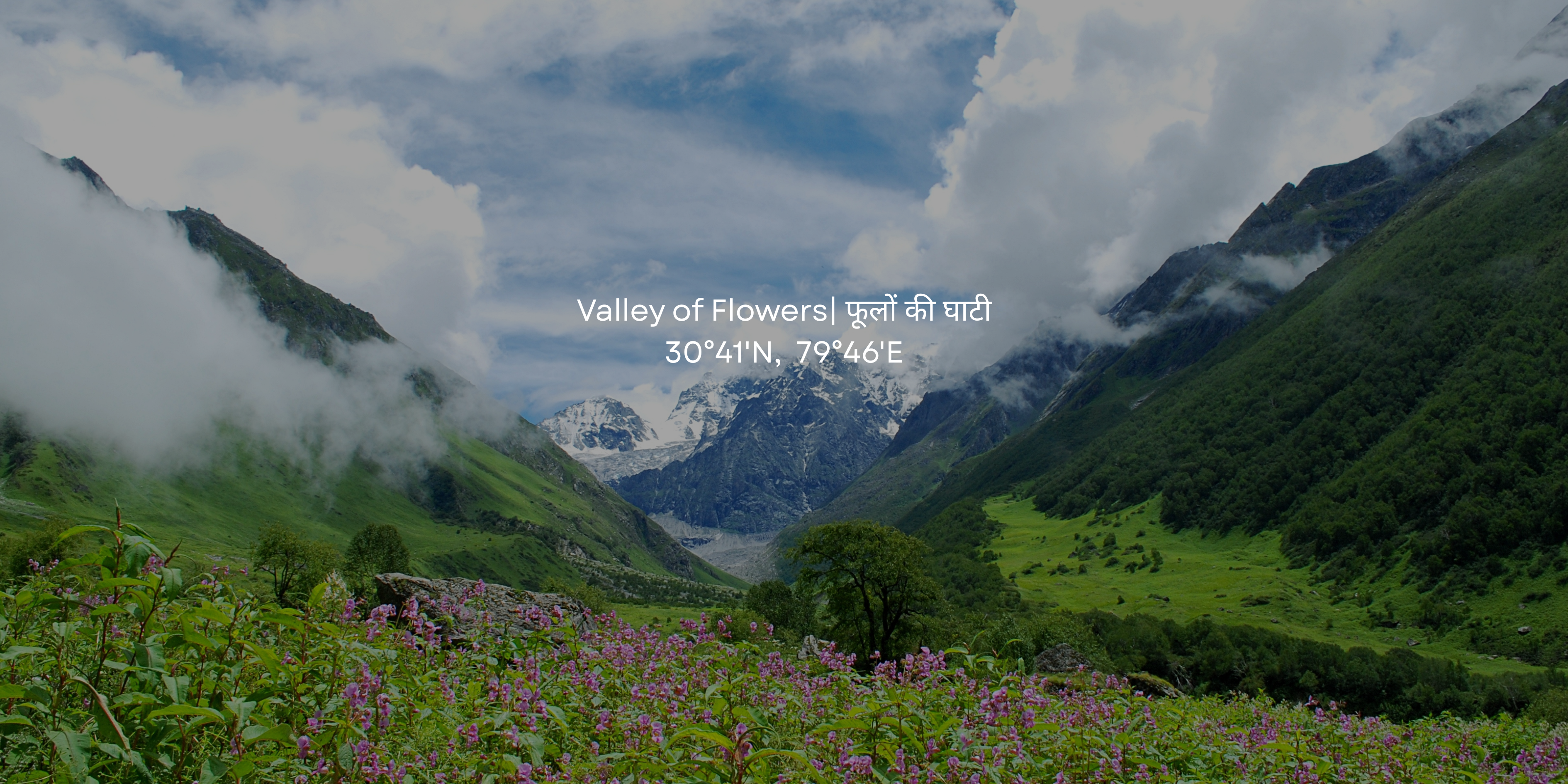
Tucked away in the Garhwal Himalayas of Uttarakhand, the Valley of Flowers is nature’s own masterpiece — a vast alpine meadow painted with countless wildflowers and surrounded by snow-clad peaks. It lies within the Nanda Devi Biosphere Reserve in the Chamoli district and is a part of the UNESCO World Heritage Sites. The journey to the valley begins from Govindghat, a small town near Joshimath. From there, a short drive to Pulna marks the starting point of the trek, which passes through Ghangaria, the last inhabited village on the route.
The valley sits at an elevation of around 3,658 meters (12,000 feet) above sea level. This high-altitude setting means the region remains snow-covered and inaccessible for nearly half the year, adding to its mystique. What truly sets this valley apart is not just its scenic beauty, but its rich biodiversity. More than 600 species of flowering plants bloom here during the monsoon months — from blue poppies and anemones to the elusive Brahma Kamal. The valley is also home to rare wildlife like the Himalayan monal, Asiatic black bear, and even the snow leopard.
The name “Valley of Flowers” came into existence when British mountaineer Frank Smythe stumbled upon it in 1931 while descending from an expedition to Mount Kamet. Struck by its natural splendor, he documented his experience and named the place as we know it today. While local communities had always revered this area as sacred, it was Smythe’s discovery that introduced the valley to the world.
The Valley of Flowers trek is seasonal, opening to visitors from early June to late September. The ideal time to visit is between mid-July and mid-August, when the valley is at the peak of its bloom, thanks to the monsoon showers that awaken the dormant seeds buried under snow. During this short window, trekkers and nature lovers from all over the world come to witness the surreal beauty of this Himalayan haven.
Valley of Flowers Trek Overview
The Valley of Flowers trek is one of the most picturesque and beginner-friendly treks in the Indian Himalayas. It offers a perfect blend of adventure and natural beauty, making it a favorite among first-time trekkers and seasoned explorers alike. The journey begins from Govindghat, a small town situated on the route to Badrinath. From Govindghat, a short jeep ride takes you to Pulna village, which is where the actual trek begins.
The total Valley of Flowers trek distance is approximately 38 kilometers (round trip) from Pulna. The first leg is a 10–12 km trek to Ghangaria, a quaint village that serves as the base camp for both the Valley of Flowers and Hemkund Sahib treks. From Ghangaria, a 3.5 km trail leads you deep into the valley, revealing a stunning vista of wildflowers, streams, and towering peaks.
In terms of difficulty, the Valley of Flowers trek is moderate. While it doesn’t involve any technical climbing or high-altitude passes, the continuous ascent, rocky trails, and the thin air due to altitude can be physically demanding, especially for those not used to trekking. However, with basic fitness, proper gear, and a bit of determination, the trek is very much achievable and rewarding.
What makes this trek truly unique is its gradual transformation — from bustling roads to peaceful pine forests, and finally to an open valley filled with floral magic. Along the route, trekkers also get to witness waterfalls, wooden bridges, glacier-fed streams, and serene Himalayan views that make every step worth it.
Whether you’re an adventure lover or someone simply looking to reconnect with nature, the Valley of Flowers trek promises an experience that stays with you long after you’ve returned. It’s not just a trek — it’s a walk into one of India’s most breathtaking natural landscapes.
Best Time to Visit the Valley of Flowers
The best time to visit the Valley of Flowers is between mid-July and mid-August, when the monsoon transforms the valley into a riot of colors. During this short window, the flowers are in full bloom, carpeting the landscape with vibrant shades of pink, purple, yellow, and blue. While the valley officially opens around early June and remains accessible until late September, the initial weeks see melting snow and fewer blooms, while the later weeks (September) offer a clearer sky and lesser crowd but fewer flowers.
Each month from June to September brings a different experience — from snow patches and early blossoms in June to a full bloom in July and August, and golden meadows in September.
For a detailed month-wise breakdown of the best time to visit, you can check out our blog post here: