
The best time to visit Triyuginarayan Temple depends on your purpose. April to June offers the most comfortable weather and is ideal for weddings and family trips. September to November is perfect for spiritual seekers and photographers, thanks to clear skies and scenic beauty. Winter (December to February) offers serene snowfall and solitude but comes with travel challenges. Monsoon (July to early September) is lush and peaceful, yet risky due to rain and landslides. Choose your visit based on the kind of experience you’re seeking — comfort, spirituality, photography, or solitude.
Below is a season-by-season guide to help you choose the right time — based on what kind of experience you’re looking for.
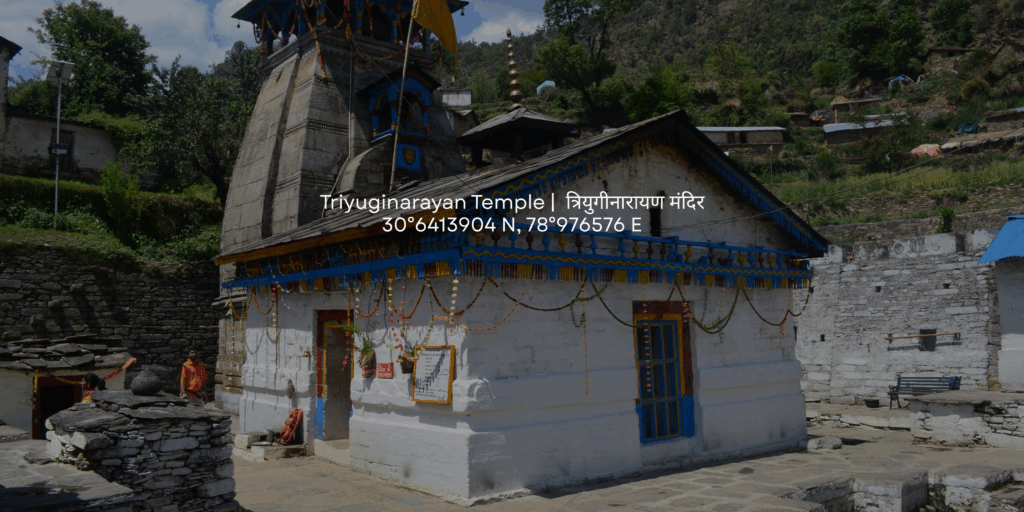
Best Time to Visit Triyuginarayan Temple
If you’re planning a spiritual getaway to the sacred lands of Uttarakhand, one question you’re likely asking is: What’s the best time to visit Triyuginarayan Temple? In this blog, we’ll take you through everything you need to know — from weather conditions to seasonal highlights, festivals, and practical tips — so you can plan your journey with confidence and peace of mind. Whether you’re coming for a pilgrimage, a spiritual wedding, or simply to witness the eternal flame where Lord Shiva and Goddess Parvati were wed, choosing the right time can make your experience truly divine.
Discovering Triyuginarayan Temple in Uttarakhand
Nestled quietly in the serene lap of the Garhwal Himalayas in Uttarakhand, Triyuginarayan Temple is more than just a place of worship — it’s a sacred reminder of eternal commitment and divine union. Located at an altitude of approximately 1,980 meters in the Rudraprayag district, this ancient temple is revered as the celestial wedding venue of Lord Shiva and Goddess Parvati.
What sets this temple apart is not only its spiritual significance but also the feeling of deep connection visitors experience the moment they set foot here. It’s believed that the holy fire lit during the divine marriage still burns in the Agni Kund (sacred fire pit) in front of the temple — a symbol of eternal love and unwavering devotion. This undying flame has been kept alive for yugas (ages), which is why the name “Triyugi” means “three ages” and “Narayan” refers to Lord Vishnu, who is believed to have witnessed and orchestrated the marriage ceremony.
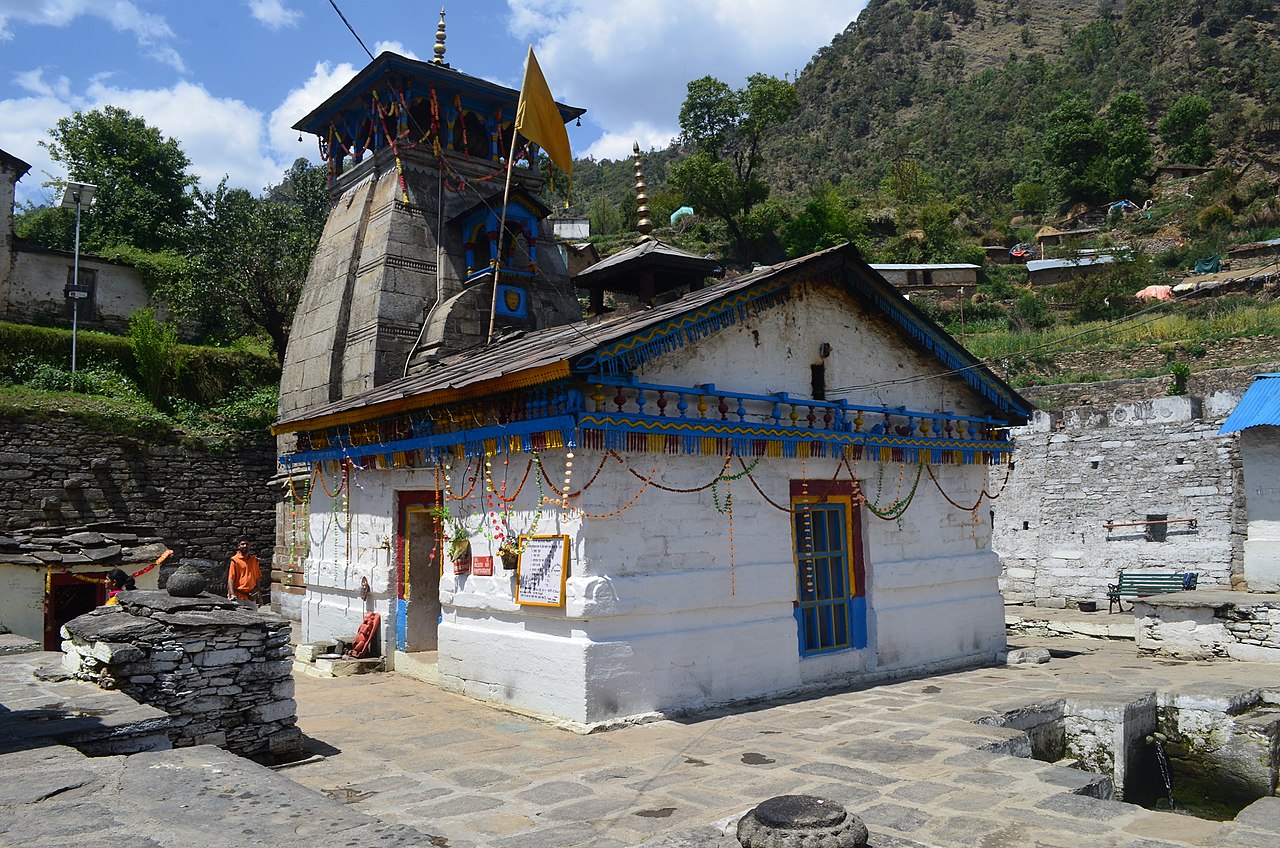
Where is Triyuginarayan Temple Located and Why is it Famous?
Triyuginarayan Temple is located about 12 kilometers from Sonprayag, a well-known halt on the route to Kedarnath in Uttarakhand.
Nestled in the Garhwal Himalayas and forming part of the sacred Char Dham circuit, the temple is surrounded by snow-capped peaks, dense forests, and holy rivers — offering both spiritual depth and natural beauty. This hidden gem has an off-the-beaten-path charm that appeals to both pilgrims and wanderers alike. What makes Triyuginarayan truly special is its deep mythological significance. According to Hindu legend, this is the exact site where Lord Shiva and Goddess Parvati were married, with Lord Vishnu himself presiding over the divine ceremony. The eternal flame — known as the Akhand Dhuni — still burns in front of the temple, said to be the very fire lit during their wedding. Surrounding the temple are four sacred kunds (ponds): Brahma Kund, Vishnu Kund, Rudra Kund, and Saraswati Kund, each believed to be connected to a celestial presence.
Pilgrims often take a dip in these holy waters before entering the temple for darshan. In recent years, Triyuginarayan has quietly grown in popularity. It has become a dream destination for spiritual weddings, offering couples a chance to begin their journey in the footsteps of Shiva and Parvati. Its peaceful, crowd-free ambiance adds to its appeal, especially for those seeking spiritual rejuvenation.
Photographers are drawn to its breathtaking Himalayan views, particularly at sunrise or during the post-monsoon season. With the government’s push for eco-tourism and improved access to Char Dham routes, reaching Triyuginarayan is now easier than ever. But beyond its growing fame, what truly sets this temple apart is the feeling it evokes — a sense of timeless devotion, calm, and divine presence. Whether you come here to pray, to marry, to reflect, or to simply breathe in the sacred air, Triyuginarayan leaves a lasting impression — a place where myth meets the mountains.
Best Time to Visit Triyuginarayan Temple: Season-by-Season Guide
Summer (April to June) — Ideal for Pilgrims, Families & Wedding Ceremonies ☀️
If you’re seeking the most comfortable and accessible time to visit Triyuginarayan Temple, summer is the clear winner. During these months, the weather is pleasant, with daytime temperatures ranging from 10°C to 25°C. The skies are clear, the roads are open, and the entire region comes alive with greenery and activity.
This is also the peak wedding season, as many couples choose to get married here during this time, recreating the divine wedding of Shiva and Parvati. Families, older travelers, and those looking for a peaceful pilgrimage will appreciate the easy travel conditions. Here is the guide on How to get married at Triyuginarayan Temple.
Monsoon (July to Early September) — For Offbeat Travelers & Those Seeking Solitude 🌧️
While not generally considered the best time to visit Triyuginarayan Temple, the monsoon has its own unique charm — if you’re prepared. The landscape is lush and dramatically beautiful, with rolling clouds, blooming wildflowers, and fewer crowds.
However, frequent rains can cause slippery roads and occasional landslides, which makes travel more unpredictable. If you’re an offbeat traveler who doesn’t mind some weather uncertainty and craves solitude, this season can offer a deeply peaceful experience. But for weddings or elderly travelers, it’s best to avoid this window.
Autumn/Post-Monsoon (Mid-September to November) — Perfect for Photographers, Spiritual Seekers & Nature Lovers 🍁
Autumn is arguably the most visually rewarding time to visit Triyuginarayan Temple. The rains have passed, the skies are crystal clear, and the entire region looks freshly washed and vibrant. Daytime temperatures remain pleasant, and the views of the surrounding Himalayan ranges are at their most spectacular.
This is the ideal season for spiritual retreats, solo travelers, and photographers looking to capture the temple against stunning natural backdrops. The crowds are fewer than in summer, and the air feels crisp and energizing — a perfect setting for quiet reflection and exploration.
Winter (December to March) — For Devotees Seeking Solitude & Snow Lovers ❄️
Winter brings a different kind of magic to Triyuginarayan. With snow-dusted rooftops and silent white landscapes, the temple looks like something out of mythology — quiet, majestic, and deeply serene.
However, this is also the least accessible time to visit Triyuginarayan Temple, as snowfall can block roads and make travel challenging. If you’re someone who values solitude, or if you’re used to high-altitude winters and want to experience the temple in its most tranquil form, winter might speak to your soul. But it’s not recommended for elderly travelers or those unfamiliar with mountain conditions.
So, What’s the Best Time For You To Visit Triyuginarayan temple?
For weddings and family trips → April to June
For spiritual depth and natural beauty → Mid-September to November
For peaceful solitude and snowy charm → December to February
For offbeat experiences (with risk) → Monsoon months
No matter when you go, visiting this sacred place is always a blessing. But by choosing the best time to visit Triyuginarayan Temple based on your needs and purpose, your journey will feel even more aligned — both spiritually and practically.
How to Reach Triyuginarayan Temple
Reaching Triyuginarayan Temple may feel like a journey back in time — not just because of its sacred history, but also due to its serene and secluded location in the Himalayas. However, with improved roads and growing attention to Char Dham tourism, getting here is now more convenient than ever. Here’s how you can make your way to this divine destination:
Nearest Major Towns & Cities
Sonprayag is the closest major point (approx. 12 km from the temple). It serves as the base for both Kedarnath and Triyuginarayan.
Rudraprayag is about 90 km away and serves as the district headquarters.
Dehradun, the capital of Uttarakhand, is the most accessible city with an airport and major railhead.
Click here to read our blog on How to reach Triyuginarayan Temple From Delhi.

By Air ✈️
The nearest airport is Jolly Grant Airport, Dehradun (around 230 km from Triyuginarayan). From the airport, you can hire a taxi or take a bus towards Rudraprayag → Guptkashi → Sonprayag. The road journey from Dehradun takes approximately 8–10 hours depending on weather and traffic.
By Train 🚂
The closest railway station is Rishikesh (approx. 210 km away), followed by Haridwar and Dehradun. From the station, you’ll need to travel by road. Buses, shared cabs, and private taxis are available to Sonprayag via Rudraprayag.
🚗 By Road
Triyuginarayan is well-connected by road up to Sonprayag. From Sonprayag, you have local jeeps and taxis regularly operate between Sonprayag and Triyuginarayan. The 12 km drive takes about 45 minutes to 1 hour through winding, scenic mountain roads.