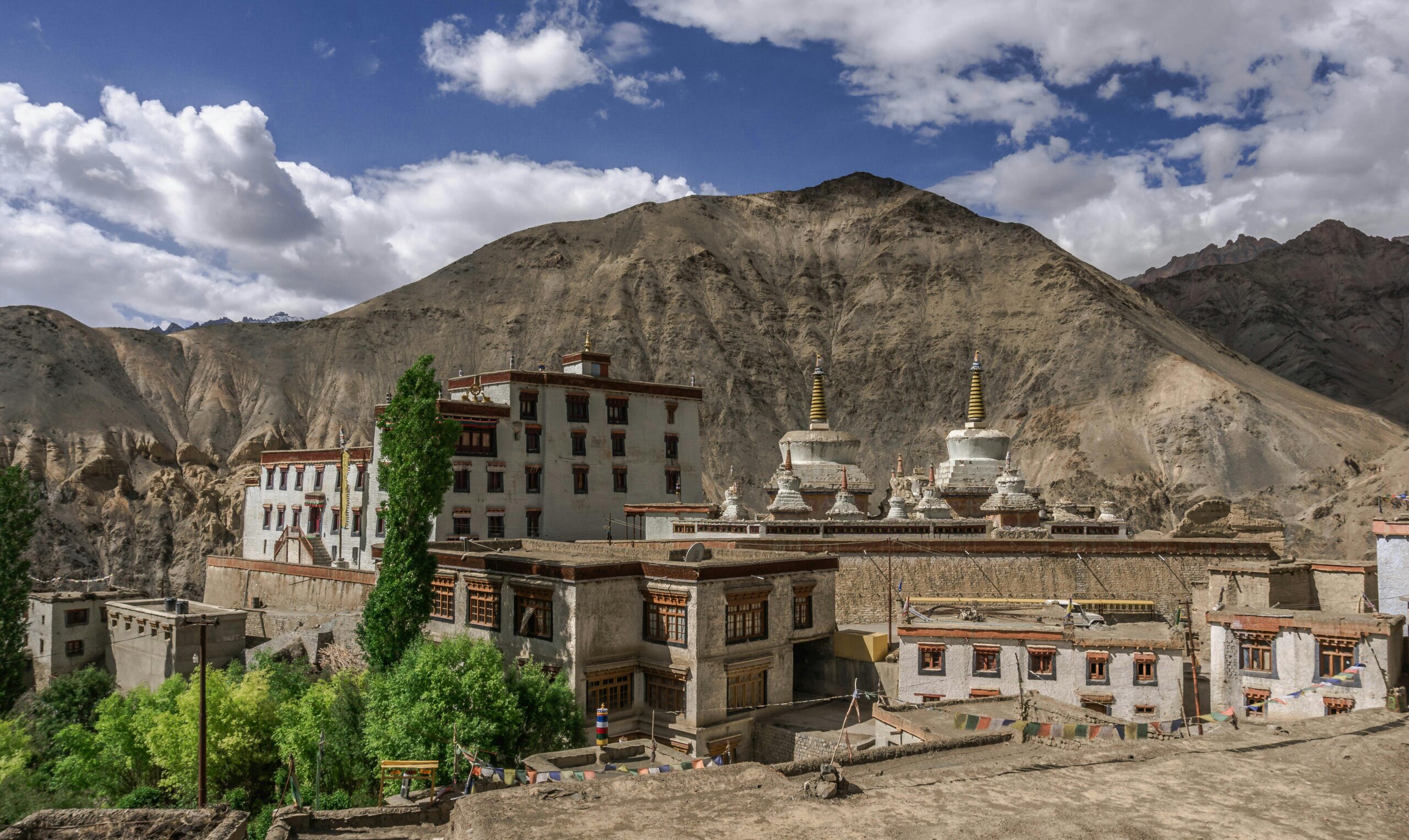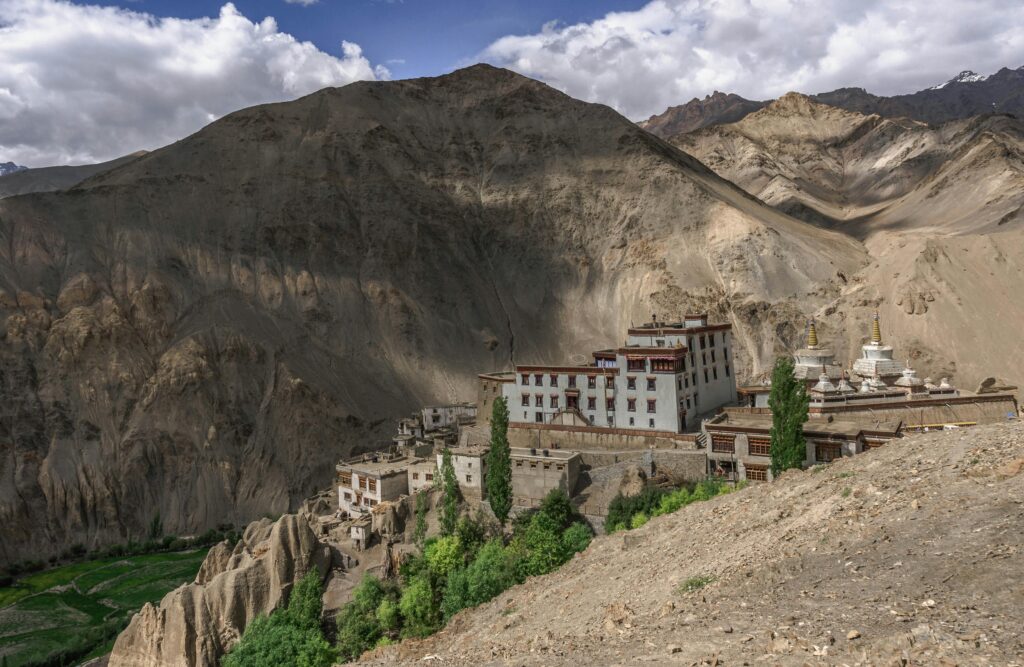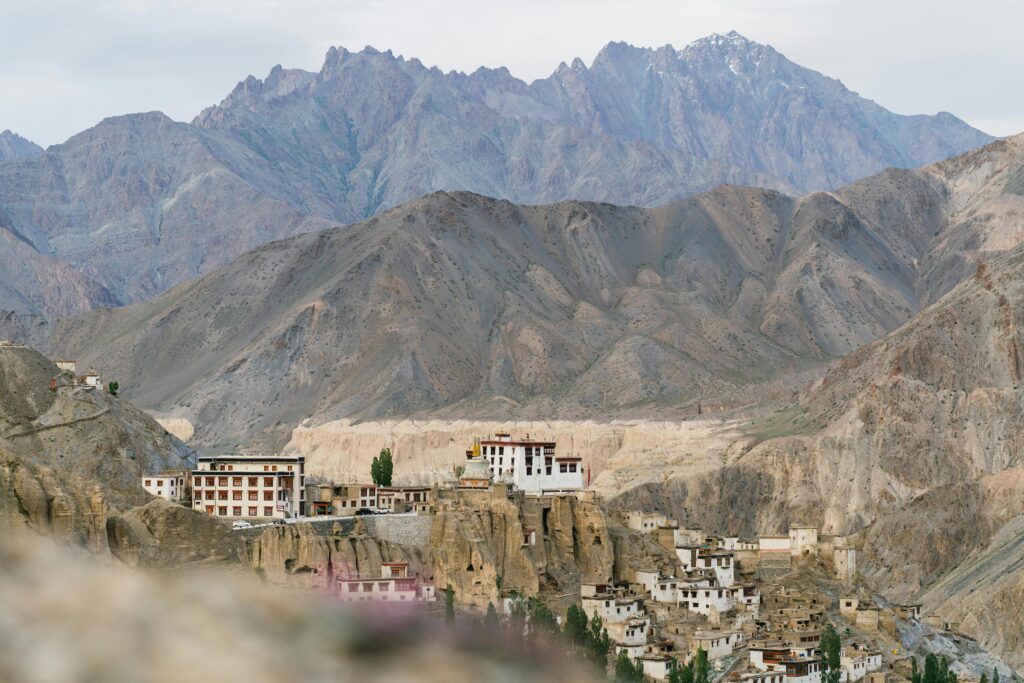
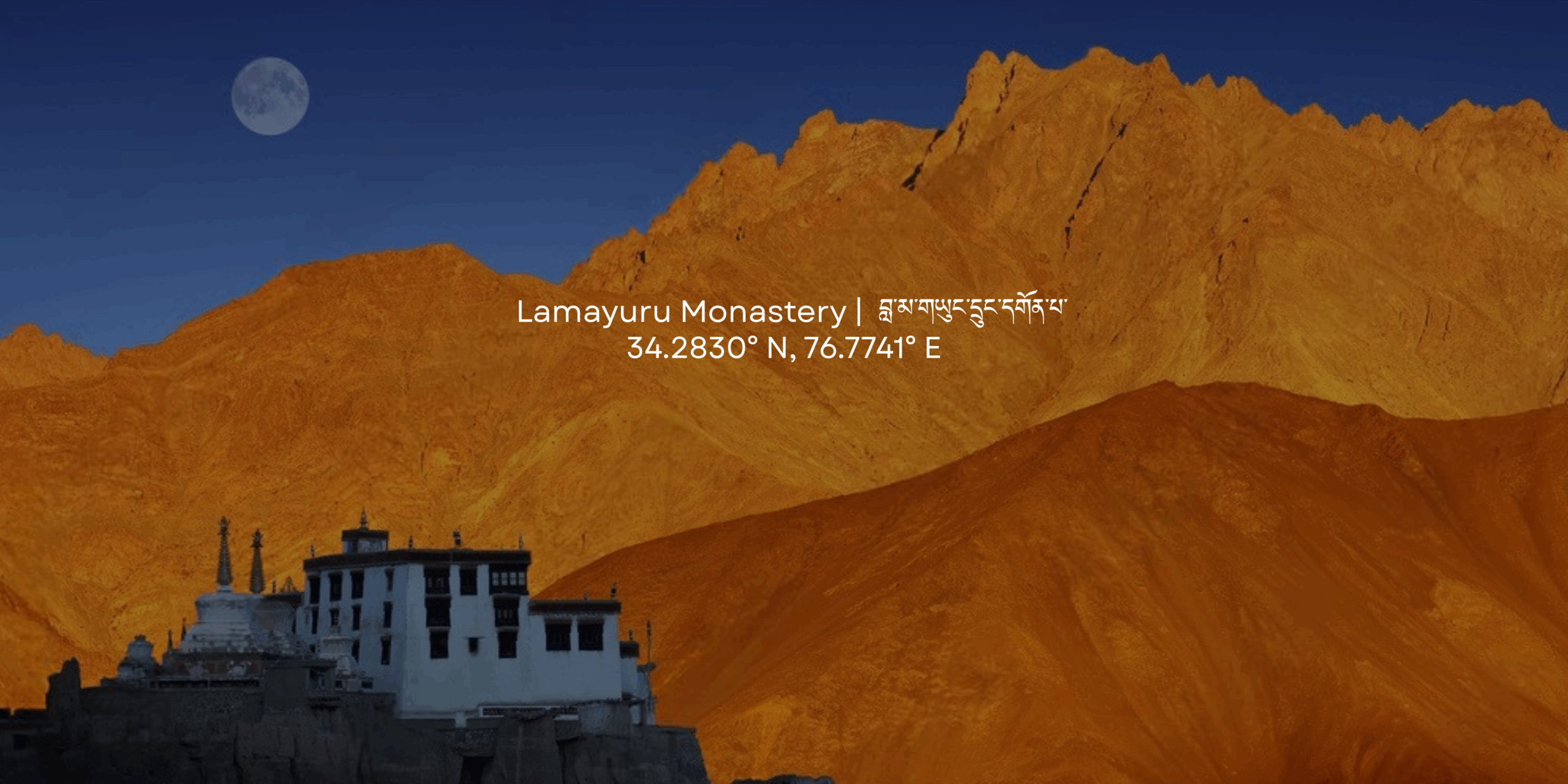
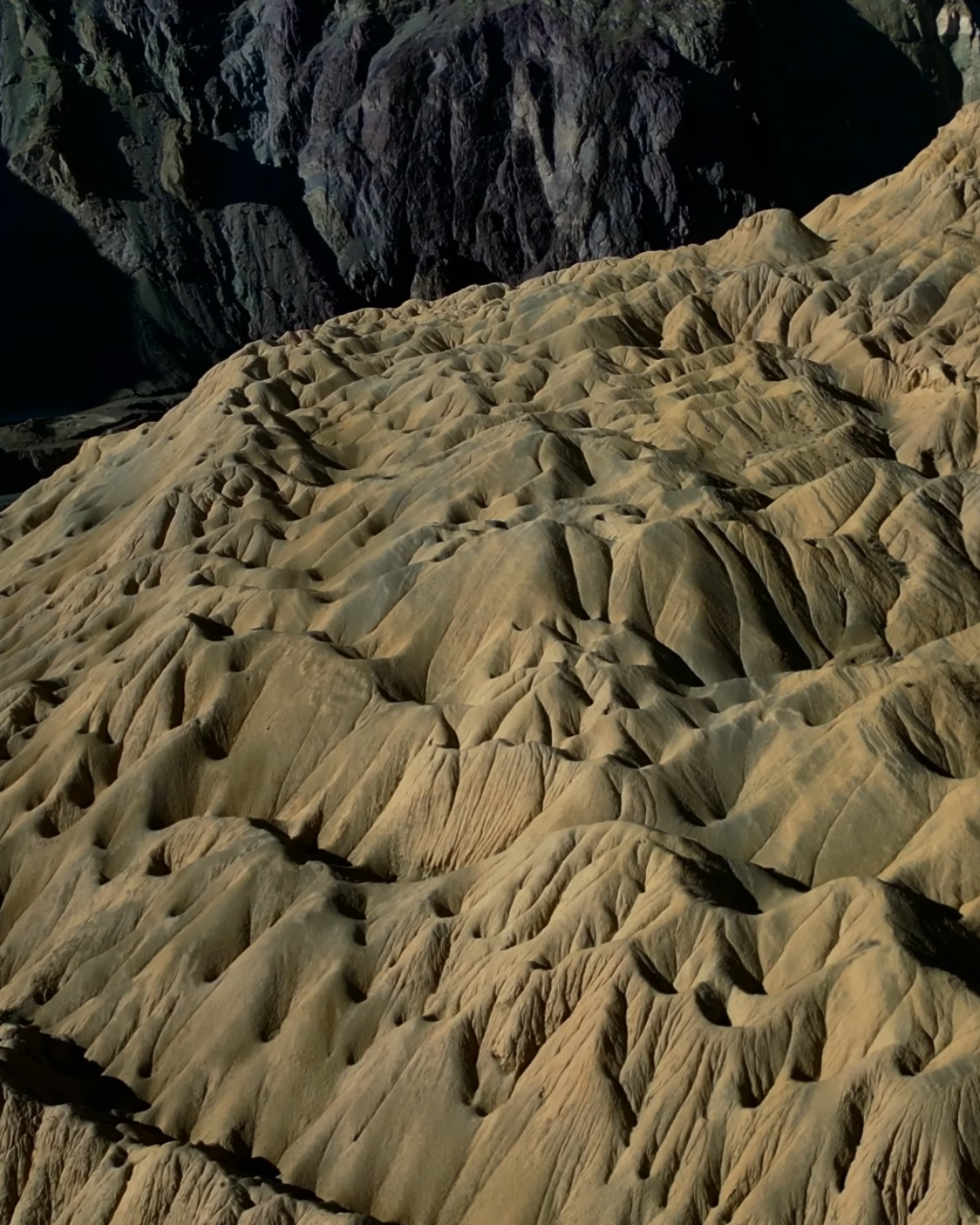
If walls could talk, Lamayuru Monastery would have some incredible stories to tell. This place isn’t just old—it’s ancient. And like most things in Ladakh, its history blends spirituality, legend, and a whole lot of Himalayan mystery.
The history of Lamayuru Monastery goes back to the 11th century, though locals believe the site is even older. According to legend, the valley where the monastery now stands was once a giant lake. That’s right—a massive body of water in the middle of what is now Ladakh’s high-altitude desert. The story goes that the revered Indian Buddhist scholar Naropa came to this area and, through his spiritual powers, caused the lake to dry up, making way for the monastery to be built.
Pretty wild, right?
The actual foundation of the monastery is credited to Rinchen Zangpo, a translator and builder of Buddhist temples across the western Himalayas. He helped spread Tibetan Buddhism throughout the region, and Lamayuru became one of the key centers of spiritual learning.
Originally, the site had ties to the Bon religion, which predates Buddhism in Tibet. Later, it became part of the Drikung Kagyu school, one of the main branches of Tibetan Buddhism. Even now, it remains an active monastery, home to around 150 monks who study, meditate, and participate in centuries-old rituals.
Over the years, the monastery has survived invasions, natural challenges, and the harsh Ladakhi winters. What’s amazing is how much of the original architecture and artwork still remains—murals, frescoes, ancient statues, and intricately painted prayer halls that haven’t lost their charm after all these years.
Visiting Lamayuru feels like stepping into a living museum. But unlike a typical museum, this one breathes. It chants. It smells of butter lamps and incense. And its history isn’t just displayed on walls—it’s alive in the monks, the rituals, and the energy of the place.
So, if you’re even slightly curious about Lamayuru Monastery history, trust me—digging into it is more than just a history lesson. It’s a glimpse into a spiritual tradition that’s been quietly thriving in the Himalayas for over a thousand years.