

Best Places to Visit in India During July
Looking for the Best places to visit in India during July? Hey there! I’m Shruti, a travel writer and monsoon chaser, and if there’s one thing I’ve learned over years of exploring every nook of this vibrant country—it’s that India in July is a vibe of its own.
I still remember my first July trip across India—it was chaotic, magical, and honestly, completely unexpected. I was drenched in Goa, wrapped in mist in Munnar, and stood awestruck before thundering waterfalls in Cherrapunji that made me forget everything else. If you think the rains might ruin your plans, trust me—as someone who’s been there, it’s quite the opposite.
July in India isn’t just about rain—it’s about revival. The forests breathe again. Rivers roar back to life. The air smells of wet earth and fresh beginnings. And the best part? Fewer tourists, lower prices, and nature putting on her best show. This isn’t just a listicle—it’s a firsthand, well-researched, and experience-driven guide to the best places to visit in India during July, crafted to help you plan wisely, travel meaningfully, and maybe even fall in love with the rains.
Whether you’re craving the tea-covered hills of South India, the wildflower-carpeted slopes of the Himalayas, the dramatic cliffs in the East, or the cultural serenity of the Western ghats, this guide has you covered. I’ve personally traveled, documented, and verified each region’s offerings with a lens of authenticity and care—because content should not only inspire, but also be trustworthy and helpful.
So grab your rain jacket, waterproof shoes, and an open mind—because these places to visit in India during July might just change how you look at travel in the monsoon forever.
Why Visit India in July?
So, you’re probably wondering—why on earth would anyone plan a trip during the Indian monsoon?
I get it. July sounds like the month you’d stay in with a cup of chai, not pack a suitcase. But here’s what most people miss: July is when India comes alive. It’s not chaos—it’s character.
1. A Different Kind of Beauty
Picture this: lush green hills blanketed in mist, waterfalls crashing down mountainsides, forests glistening with fresh rain, and rice fields dancing in the wind. July isn’t about sightseeing with blue skies—it’s about feeling the land breathe. If you’ve only experienced India in the dry season, you’re missing out on her most romantic, raw form.
And yes, you’ll get wet. But you’ll also get silence at places usually packed with tourists, locals smiling at you like you’re in on a secret, and nature so vivid it almost feels unreal. Whether it’s the Valley of Flowers in Uttarakhand, the cloud-soaked cliffs of Meghalaya, or the drenched coffee estates in Coorg, every region tells a different story in July.
2. Fewer Tourists, Better Prices
Let’s be honest—traveling during peak season is overrated (and overpriced). July is part of India’s off-season, which means:
- Cheaper hotel deals
- Easier bookings
- No elbow fights for sunset views or Instagrammable cafés
- And did I mention better hospitality? Resorts and homestays actually have time to pamper you.
It’s the perfect time for budget travelers, honeymooners looking for privacy, or anyone wanting a quiet, soulful connection with nature.
3. Cultural Buzz & Festive Vibes
Now, let’s talk culture. July might be wet, but it’s far from dull. Some of India’s most dramatic festivals happen this month—
- Rath Yatra in Puri, Odisha (think: giant chariots pulled through crowded streets)
- Hemis Festival in Ladakh (masked dances, vibrant traditions)
- And in Kerala, the monsoon brings Ayurvedic wellness season—people come from around the world for healing therapies during this time.
But… What About the Rain?
Okay, let’s keep it real. You will get rain. Sometimes a drizzle, sometimes a downpour. But it doesn’t mean your trip is doomed. You just have to plan smart—carry the right gear, keep a flexible itinerary, and embrace the unpredictability. Some places—like Spiti Valley or Ladakh—barely get any rain. Others—like Cherrapunji—are glorious because of it.
Bottom line? If you’re up for an adventure that’s a little offbeat, a little messy, and a lot magical, then India in July is calling your name. And I promise—if you go to the right places (which I’ll walk you through next), you’ll come back with a story no dry-season traveler can match.
Ready? Let’s dive into the best destinations, one region at a time—starting with North India, where the mountains bloom and rivers roar.
Best Places to Visit in India in July (North India)
If you’re the kind of traveler who dreams of towering mountains, flower-filled meadows, ancient monasteries, and crisp mountain air—North India in July is your sweet spot. I’ve done this circuit more than once, and I can confidently say: July is when the Himalayas truly open up. The snow has melted, the valleys are alive, and high-altitude gems that were cut off for months finally become accessible.
These are not just holiday spots—they’re experiences that stay with you long after your trip is over.
1. Spiti Valley, Himachal Pradesh
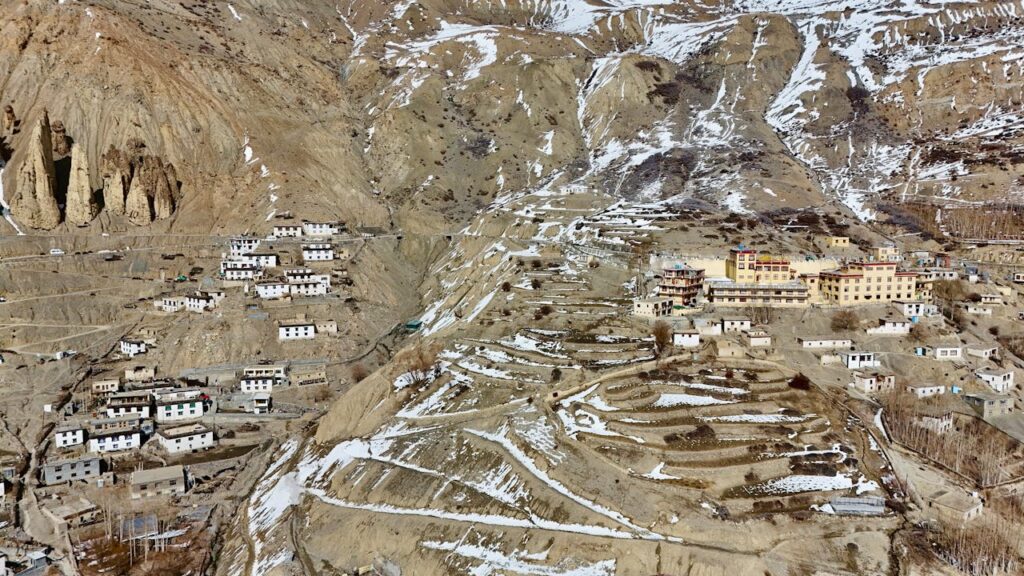
Spiti isn’t your typical Himalayan getaway. It’s rugged, remote, and raw, tucked between Tibet and India like a secret. In July, the valley is finally accessible via both Shimla and Manali, and it feels like the world just started up again after hibernating all winter.
Imagine driving past moonscape mountains, stopping at cliff-hugging monasteries, crossing high passes, and not seeing another soul for miles. It’s not touristy—it’s transformational.
Why Visit in July
- July is when Spiti opens up completely—roads are finally motorable, and weather is dry and perfect for exploring.
- While most of India is soaked, Spiti stays sunny and serene, thanks to its desert terrain.
- The landscape is alive: snowmelt feeds streams, green patches appear in valleys, and every turn reveals a new postcard.
📍 Top Places to Visit in Spiti Valley in July
I’ve handpicked these spots because they left me speechless—and if you’re going all the way to Spiti, you can’t afford to miss them.
- Key Monastery: This is Spiti’s crown jewel. Perched on a hilltop, it looks like a scene from a Star Wars film. I spent over an hour here just soaking in the view and chatting with monks—it’s peaceful, photogenic, and humbling.
- Chandratal Lake: The “Moon Lake” is straight out of a fantasy novel. A short trek gets you to this high-altitude lake with crystal-clear water that mirrors the sky. Pro tip: visit early morning before the winds pick up.
- Hikkim & Komic: You’ll find the world’s highest post office in Hikkim—I actually sent a postcard home (and yes, it arrived). Komic is a tiny village with staggering views and kind-hearted locals who serve the best butter tea.
- Tabo Monastery: Over a thousand years old and still active, this UNESCO-listed monastery is less flashy than Key but has an intense, quiet energy. Its murals and meditation caves are simply unforgettable.
Planning a Spiti Valley Trip, here is a Spiti Valley 5-Days Itinerary for you.
What to Eat in Spiti
Food in Spiti is hearty, warming, and full of Tibetan influences.
- Thukpa: Hands down, one of my favorite meals from the entire trip. It’s a noodle soup with veggies or meat, perfect after a long, cold day of travel. I had mine in Kaza and still think about it.
- Butter Tea: Okay, I’ll be honest—it’s an acquired taste. Salty, buttery, and warm, it’s more about the experience than the flavor. Try it at a local home or monastery.
- Momos: I had some in a tiny roadside stall outside Tabo and they were ridiculously good—soft, juicy, and dipped in spicy chutney that cleared up my altitude headache.
What to Shop
Spiti doesn’t have flashy markets, but what you’ll find here is meaningful and made with love.
- Tibetan Prayer Flags: I bought a few to tie to my backpack—they carry prayers with the wind.
- Woolen Caps & Shawls: Handwoven by locals, perfect souvenirs (and practical too).
- Miniature Thangka Art: If you’re into spiritual or Buddhist art, this is a rare find.
How to Reach Spiti Valley
Getting to Spiti is half the adventure—here’s how to plan it:
- Nearest Airport: Bhuntar (Kullu) – around 245 km from Kaza. You’ll still need a multi-day road trip after landing.
- Nearest Major Railway Station: Shimla (via Kalka toy train) – scenic, but still a long drive from there.
- Best Travel Routes:
- Via Manali: More popular and adventurous. Open only after early July when Rohtang Pass and Kunzum La are cleared.
- Via Shimla / Kinnaur: Longer but smoother route. If you’re nervous about altitude or traveling early July, this is safer.
2. Valley of Flowers, Uttarakhand
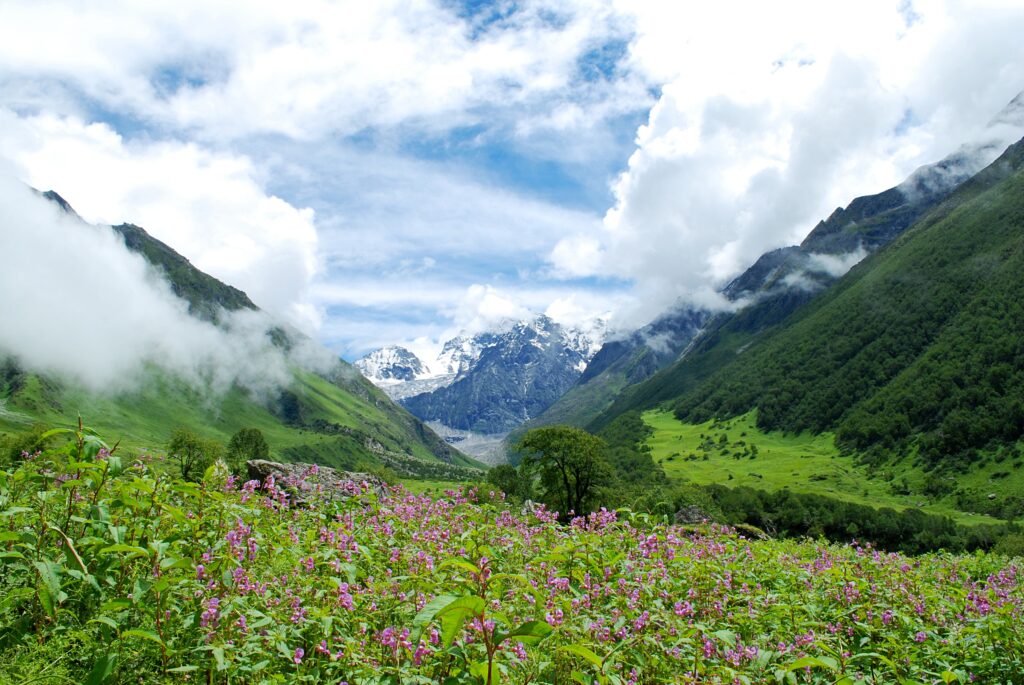
Let me tell you, no picture can do justice to the Valley of Flowers. I remember standing at the entrance of this high-altitude Himalayan valley, soaking wet from a short drizzle, and suddenly… it opened up. A never-ending carpet of color—yellows, purples, blues, reds—every flower looking like it had just woken up and was showing off.
This UNESCO World Heritage Site sits quietly in the Chamoli district of Uttarakhand, but come July, it turns into India’s most vibrant alpine garden. If you love trekking, wild nature, and the kind of silence that only mountains can give—this place is for you.
Why Visit in July
- July marks the beginning of the blooming season. The valley, closed for months due to snow, reopens in early July and bursts into life.
- It’s one of the few places in India where monsoon is not a nuisance—it’s the reason the magic happens.
- The trail is open, manageable, and filled with misty forests, waterfalls, and floral explosions.
Note: Know more about the Best Time to Visit Valley of Flowers.
📍 Top Places to Visit in and Around the Valley
This isn’t your regular sightseeing list—these are experiences you’ll remember forever:
- The Valley Itself: It’s a 3-4 km-wide glacial valley, and yes, the entire trek is worth it. You’ll cross bridges, streams, and walk beside rare Himalayan flora you won’t find anywhere else in the world.
- Hemkund Sahib: A steep but deeply rewarding detour. At over 15,000 feet, this Sikh pilgrimage site is surrounded by snow, a crystal lake, and surreal silence. I went slow (very slow), but reaching the Gurudwara felt like reaching heaven.
- Govindghat & Ghangaria: These are your base villages, and trust me, the vibe here during monsoon is pure mountain magic—fog curling around pine trees, locals sipping chai, and trekkers buzzing with anticipation.
What to Eat
Food here is simple, comforting, and hits differently after a long hike.
- Aloo Paratha with Butter & Pickle: I had this every single morning in Ghangaria and never got tired of it. Fuel for the soul (and legs).
- Maggi & Chai at Trail Stops: Don’t judge until you’ve had hot Maggi at 10,000 feet in the rain. It’s life-changing.
- Kadhi-Chawal at Local Dhaba: Humble and wholesome—perfect for a chilly mountain evening.
What to Shop
There aren’t big markets here, but you can pick up a few thoughtful items:
- Local herbs and Himalayan medicinal plants (ask before you buy!)
- Woolen shawls, caps, and socks made by mountain women
- Photos from local photographers—they often capture stunning shots from the trek route
How to Reach Valley of Flowers
This is a trek-access-only destination—so be ready for a little adventure. But it’s totally worth it.
- Nearest Airport: Jolly Grant Airport, Dehradun (~295 km to Govindghat)
- Nearest Railway Station: Rishikesh (~270 km)
- Travel Route:
- Drive or take a shared cab to Govindghat
- Trek or hire mule/porter for the 13 km hike to Ghangaria
- From Ghangaria, it’s a 3–4 km trek to the valley
💡 Pro Tip: Start your trek early in the morning and keep a rain poncho handy. The rain is light but consistent—and somehow, it just makes everything more beautiful.
3. Ladakh, Jammu & Kashmir
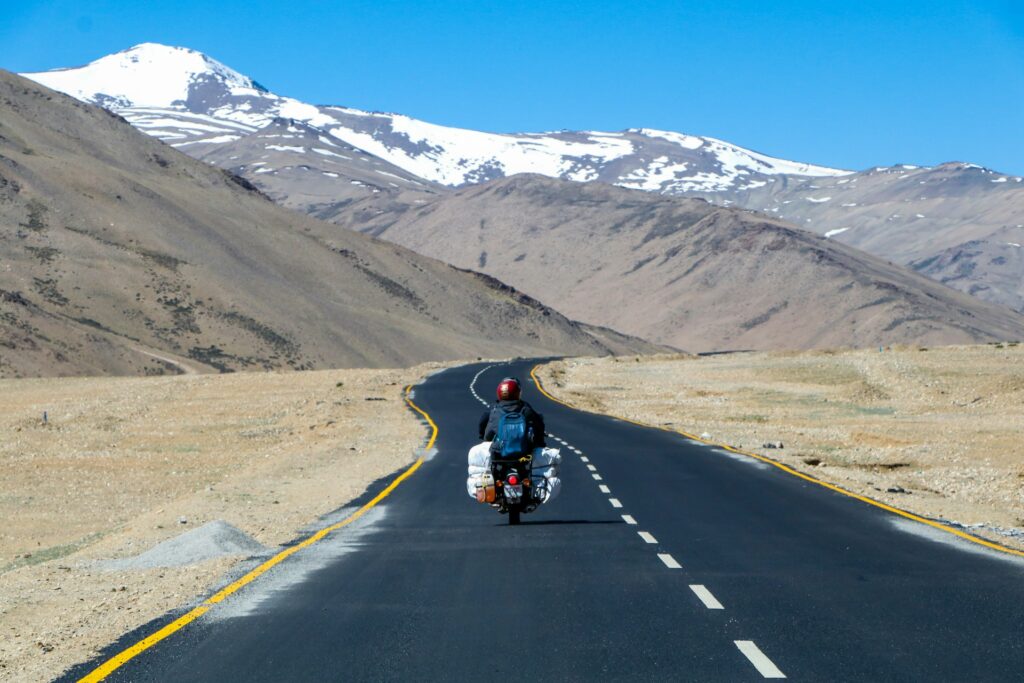
You know those places that feel like they belong on another planet? That’s Ladakh. It is one on the best places to visit in India during July and my personal favorite. Rugged, wild, silent—but somehow, it makes your heart race. I visited Ladakh in July, and I still remember how the air felt—clean, thin, and sharp with adventure. The skies were impossibly blue, the monasteries glowed in golden light, and the people? So grounded and warm, it made the altitude easier to bear.
Ladakh is one of those rare places where the journey is just as stunning as the destination. Whether you’re riding a Royal Enfield on hairpin roads or sipping butter tea at a monastery, everything slows down—and somehow becomes more alive.
Why Visit in July
- July is peak travel season in Ladakh, but don’t let that scare you. It’s not about crowds—it’s about clear roads and full access.
- Both Srinagar–Leh and Manali–Leh highways are open, and internal routes to Pangong, Nubra, and Tso Moriri are passable.
- Weather is dry and perfect: sunny days, cool evenings, and no rain, thanks to Ladakh’s cold desert climate.
📍 Top Places to Visit in Ladakh
Honestly, every turn in Ladakh is a photo. But here are the places I visited that truly blew my mind:
- Pangong Lake: Yes, it’s that lake from 3 Idiots, but no movie prepares you for the real thing. The water shifts color through the day—from turquoise to ink blue—and the silence there is deafening (in the best way).
- Nubra Valley: You cross Khardung La, one of the world’s highest motorable passes, to reach here. I remember riding a double-humped Bactrian camel on the sand dunes with snow peaks in the backdrop. Wild, right?
- Leh Town & Shanti Stupa: Start your trip slow here. I’d recommend spending a day or two in Leh, exploring cafes, buying handicrafts, and visiting the Shanti Stupa at sunset—it’s meditative.
- Thiksey & Hemis Monasteries: Both are incredibly peaceful, but Hemis Festival (which often falls in July) is an unforgettable cultural explosion—masked dances, chanting, and color everywhere.
What to Eat in Ladakh
I had some of my simplest yet most comforting meals here. High-altitude food is meant to nourish and warm you—and it does!
- Skyu: A traditional Ladakhi pasta dish. I had it at a local home in Nubra and it was SO good—hearty, earthy, and filling.
- Butter Tea: Love it or not, you have to try it here. The altitude kind of makes you crave it.
- Momos & Thukpa: Found almost everywhere, but somehow, the cold makes them taste better. I had a Thukpa bowl near Pangong that warmed me up to my toes.
What to Shop
- Pashmina shawls (make sure they’re authentic—buy from certified co-ops)
- Buddhist prayer wheels and beads
- Handcrafted silver jewelry and local art
- Apricot jams and oils – Ladakh’s hidden gem!
How to Reach Ladakh
- Nearest Airport: Kushok Bakula Rimpochee Airport, Leh – direct flights from Delhi, Srinagar, Chandigarh
- By Road:
- Manali to Leh: ~470 km, 2-day drive (absolutely stunning)
- Srinagar to Leh: ~420 km, passes through Zoji La and Drass
💡 Shruti’s Tip: If you’re flying in, give yourself 1–2 days to acclimatize in Leh before heading to higher places like Nubra or Pangong. Altitude sickness is real—but manageable with rest and water.
Suggested Read: Bali in August: Top Places to Visit
Best Places to Visit in India During July (South India)
Let’s head down south, where the monsoon isn’t just a season—it’s a mood. July paints South India in every shade of green you can imagine. The rains don’t stop the travel—they define it. You’ll find mist rolling over tea estates, thunderous waterfalls carving through forested hills, and small cafés where the smell of fresh filter coffee seeps into your soul.
So, let’s start with one of my absolute favorite monsoon escapes—Munnar, Kerala.
4. Munnar, Kerala
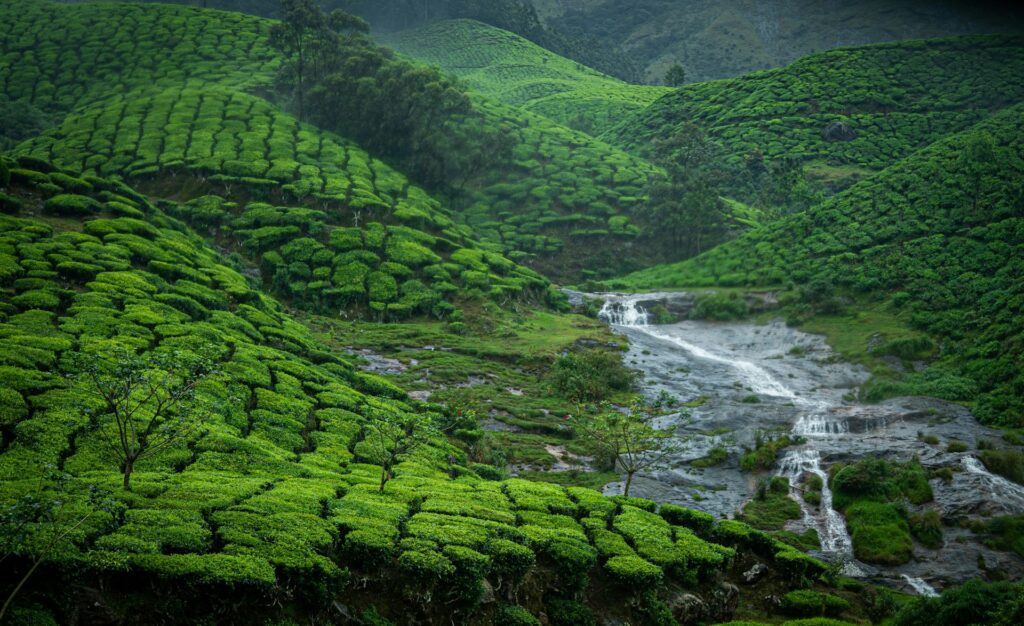
Munnar in July feels like a dream—clouds curling through the tea gardens, everything glistening from the rain, and a quiet rhythm that makes you slow down and breathe. I remember walking through a plantation trail just after a downpour; the leaves were dripping, the air was earthy and cool, and I could hear nothing but birds and breeze. That’s Munnar’s magic.
Located in Kerala’s Idukki district, this hill station isn’t just about views—it’s about vibes. It’s where time stretches and nature takes the spotlight.
Why Visit in July
- It’s peak monsoon, which means the hills are at their lushest and waterfalls are roaring to life.
- Fewer crowds and lower hotel tariffs = perfect for a peaceful getaway.
- Ayurvedic resorts in Munnar often offer monsoon wellness treatments—this is considered the best season for them!
📍 Top Places to Visit in Munnar
I’ve handpicked these based on my own wanderings—they’re not just touristy checkboxes but must-experience spots in July:
- Attukad Waterfalls: My personal favorite. After the rains, this place turns into a wild, thunderous beauty. The trek to reach the viewpoint is short but slightly slippery—wear good shoes!
- Eravikulam National Park: Home to the endangered Nilgiri Tahr. The park usually reopens in July after the breeding season. Rolling grasslands + mist + wildlife = a perfect morning.
- Tea Museum (KDHP): I went here to escape the rain and ended up staying for two hours. It’s a deep dive into Munnar’s tea legacy, complete with tastings and vintage machines.
- Mattupetty Dam & Echo Point: Rain-fed and dreamy in July. Boating might be off during heavy showers, but the views alone are worth the visit.
What to Eat in Munnar
I may have eaten my weight in Kerala food here—and you should too.
- Appam with Vegetable Stew: Light, coconutty, and comforting—my go-to breakfast.
- Kerala-style Fish Curry: Tangy, spicy, and best with red rice. Had this at a local homestay and almost cried happy tears.
- Pazhampori (Banana Fritters): This is the perfect rainy evening snack with a hot cup of cardamom chai.
What to Shop
- Tea: Obviously. I picked up bags of green, white, and even rose-flavored tea right from the plantations.
- Spices: Cardamom, pepper, cinnamon—fresh and aromatic.
- Homemade chocolates and essential oils: Lavender, eucalyptus, and more.
How to Reach Munnar
- Nearest Airport: Cochin International Airport (COK) – about 110 km
- Nearest Railway Station: Aluva (110 km) or Ernakulam (125 km)
- By Road: Buses and taxis available from Kochi, Coimbatore, or Thekkady. I personally hired a local cab from Kochi—it was scenic, comfortable, and totally worth the money.
💡Tip: Start your day early—monsoon afternoons get misty and the roads may get slippery. Carry a poncho, not just an umbrella. Trust me on this.
5. Coorg, Karnataka
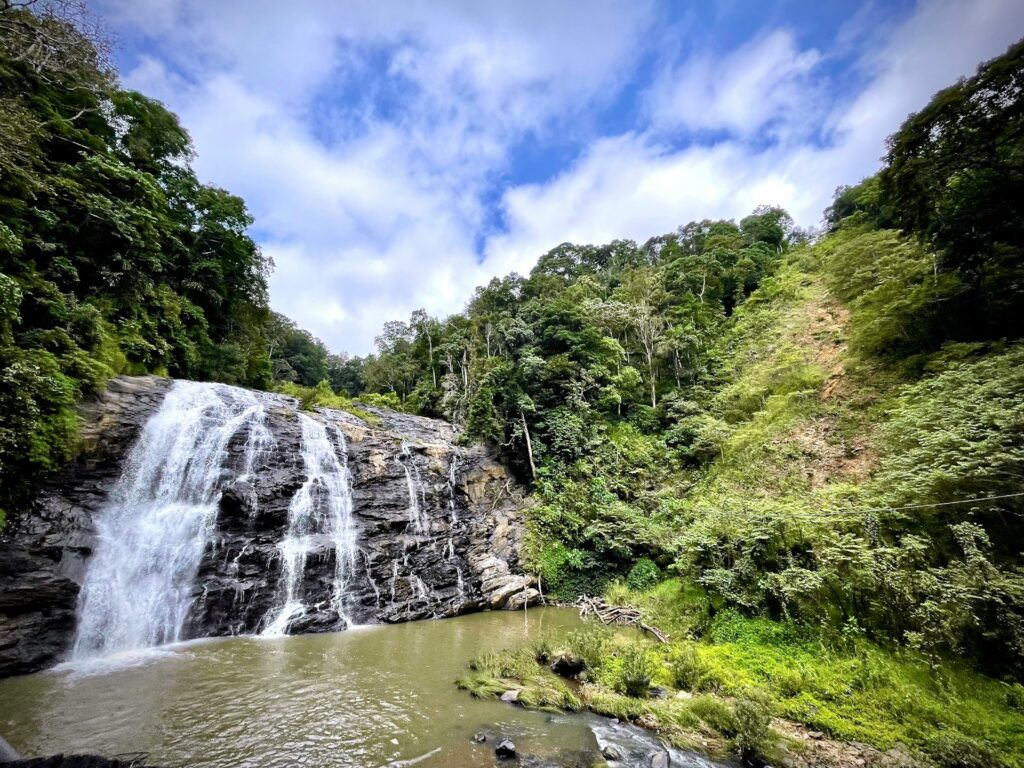
If Munnar is the soft, romantic side of monsoon, Coorg is its wild twin. Located in Karnataka’s Western Ghats, Coorg (also known as Kodagu) is wrapped in coffee estates, thick rainforests, and dramatic waterfalls—and in July, everything’s amplified. I visited during the first week of the monsoon and let me tell you—Coorg doesn’t just rain, it breathes mist.
Everywhere you go, there’s the sound of rain tapping on leaves, the earthy scent of wet soil, and warm locals offering you filter coffee strong enough to bring you back from the dead. It’s quiet, untamed, and one of the best places to visit in India during July if you’re chasing monsoon magic.
Why Visit in July
- Monsoon transforms the landscape into lush, jungle-like terrain.
- The waterfalls? Full blast. The air? Crisp and cool. The crowds? Surprisingly few.
- Ideal for nature walks, coffee plantation tours, and slow travel.
- Plus, it’s one of the most scenic places to visit in July in South India.
📍 Top Places to Visit in Coorg
These are places I explored between rain showers and coffee breaks. Each one left a little mark on me:
- Abbey Falls: You can hear it before you see it. The trail to the viewpoint gets muddy, but that only adds to the thrill. In July, Abbey Falls is ferocious and stunning—don’t skip it.
- Raja’s Seat: This viewpoint overlooks the valley and is breathtaking just after a rain shower when the clouds part. I sat here with corn-on-the-cob in hand and watched mist dance over hills. Pure bliss.
- Coffee Plantations (around Madikeri & Virajpet): I took a guided plantation walk and honestly, it made me appreciate my morning brew so much more. The rain on the leaves, the smell of raw beans—it’s poetic.
- Nisargadhama & Dubare Elephant Camp: Great for families and nature lovers. Though river activities may be limited in peak monsoon, the forest walk in Nisargadhama was peaceful and magical.
What to Eat in Coorg
Coorgi cuisine is hearty, flavorful, and made for rainy days.
- Pandi Curry (Pork Curry): A local delicacy cooked with spicy Coorgi masala. I had this with rice balls called “Kadambuttu” and still dream about it.
- Akki Roti with Coconut Chutney: Simple, filling, and comfort on a plate.
- Filter Coffee: Don’t leave Coorg without having coffee at the source. I had mine in a plantation homestay and it was divine.
What to Shop
- Coffee Beans & Powder: Pick up roasted or green beans—Coorg is famous for its Arabica and Robusta varieties.
- Spices: Locally grown pepper, cardamom, and cloves.
- Homemade Chocolates & Wine: Fruit wines like passion fruit and wild grape are a fun, local souvenir.
How to Reach Coorg
Coorg doesn’t have its own airport or railway station—but that’s part of the charm.
- Nearest Airport: Mangalore (160 km) or Kannur (110 km)
- Nearest Railway Station: Mysore Junction (95 km)
- By Road: Buses and cabs run from Bangalore, Mysore, and Mangalore. I rented a cab from Mysore and the route—lined with forests and rain-soaked hills—was half the fun.
💡 Shruti’s Tip: Stay in a plantation homestay. The hospitality, home-cooked meals, and views are next level. Carry a poncho or lightweight raincoat, and keep your phone in a ziplock bag—you’ll thank me later.
6. Kodaikanal, Tamil Nadu
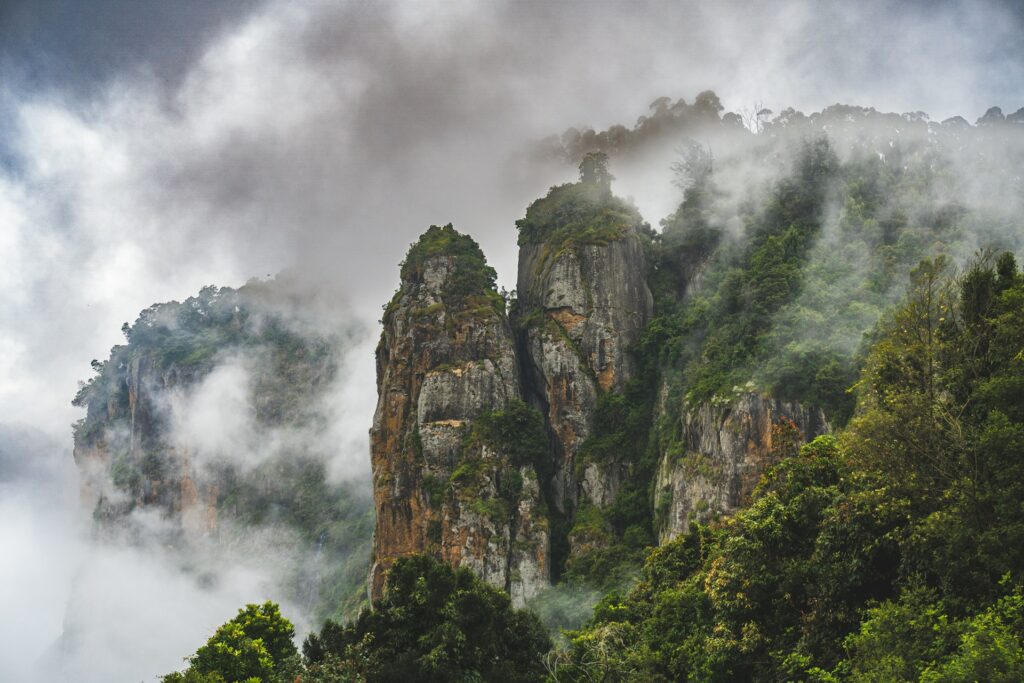
I’ll be honest—Kodaikanal wasn’t on my original itinerary. But one spontaneous turn on a rainy July evening in Tamil Nadu changed everything. Known as the “Princess of Hill Stations,” Kodaikanal sits high in the Palani Hills, and in the monsoon, it’s like walking through a cloud garden. Mist wraps around the tall pines, the streets smell of eucalyptus, and the only sound is the gentle tapping of rain on tiled rooftops.
It’s calm, romantic, and perfect for those who want to experience the slower, quieter side of the monsoon. Out of all the places I’ve visited, Kodaikanal definitely earns its place among the best places to visit in July in South India.
Why Visit in July
- July brings gentle rains and light fog—not too intense, but enough to make everything feel soft and magical.
- Fewer tourists, no crowding at viewpoints or cafés, and lower hotel rates.
- Ideal for couples, solo travelers, and anyone who enjoys reading a book by a rainy window.
📍 Top Places to Visit in Kodaikanal
I explored Kodaikanal mostly on foot, umbrella in hand and heart full of wonder. These were the spots I loved the most:
- Kodaikanal Lake: A man-made lake right at the heart of town. I didn’t go boating (rain!), but walking the perimeter in light drizzle with corn in hand? Pure peace.
- Coaker’s Walk: Easily one of the best things to do in July. The entire trail is cloud-covered and offers views of the valley that come and go with the mist. It feels like you’re walking inside a poem.
- Pine Forests: Rain-soaked pine needles under your feet, filtered sunlight (if you’re lucky), and absolute stillness. You have to walk through it to feel it.
- Silver Cascade Falls: Just outside town, these falls are fed directly by the lake and are at their most powerful in July. A great spot to stop and snack during a road trip.
What to Eat in Kodaikanal
I was surprised by how much I loved the food scene here. Simple, soul-warming meals everywhere.
- Hot South Indian Breakfast: Steaming idlis, vada, and strong filter coffee were my daily staples.
- Cheese Toast & Hot Chocolate: Try it at a local café like Altaf’s or Pot Luck. Rainy weather + this combo = happiness.
- Mushroom dishes: Locally grown and seasonal—try mushroom masala with parotta.
What to Shop
- Homemade chocolates: Soft-centered, nutty, and rich—I bought way too many.
- Eucalyptus oil: Grown and distilled locally; great for colds and stress relief.
- Organic produce & herbal teas: Especially ginger, lemongrass, and chamomile blends.
How to Reach Kodaikanal
Kodaikanal is well-connected but does require a little bit of travel to reach its peaceful heights.
- Nearest Airport: Madurai Airport (120 km)
- Nearest Railway Station: Kodai Road (80 km) or Madurai Junction (115 km)
- By Road: I drove up from Madurai—it took around 3 hours through some truly scenic ghats. You can also reach from Coimbatore or Dindigul via bus or cab.
💡Tip: Don’t rush here. Kodaikanal is meant to be savored slowly. Carry a good book, pack cozy socks, and give yourself time to do nothing—and love it.
From misty lakes to coffee-soaked hills, South India in July is full of gentle surprises and green magic. And trust me, these weren’t just my favorite monsoon spots—they’re some of the best places to visit in July in South India, no matter what kind of traveler you are.
Best Places to Visit in the Month of July in India (Eastern India)
Let’s head to the East of India, where the clouds don’t just hover—they live there. If there’s one place where the monsoon doesn’t knock—it kicks the door wide open—it’s Cherrapunji, Meghalaya.
7. Cherrapunji, Meghalaya
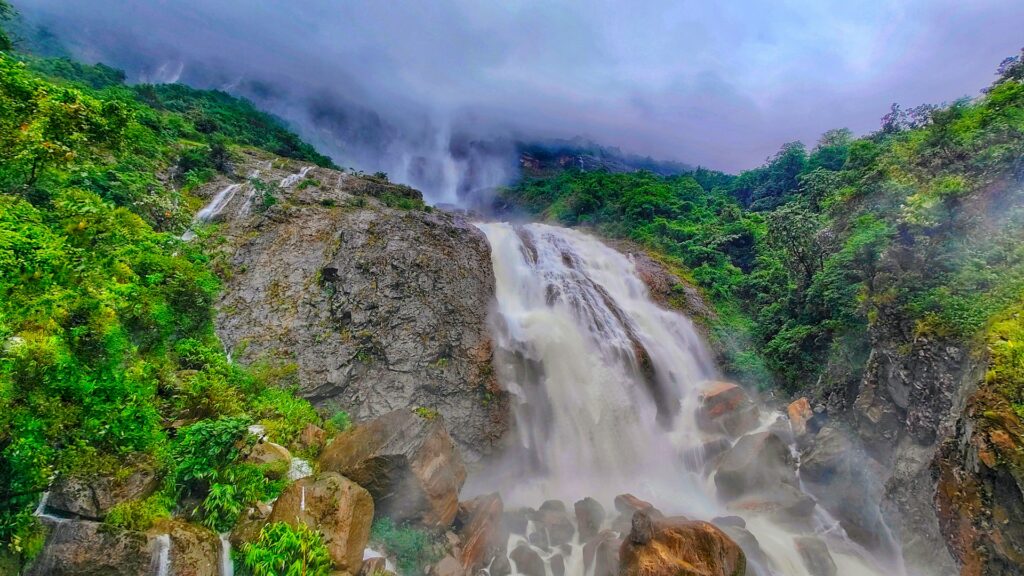
Let me tell you—Cherrapunji in July is like stepping into nature’s most dramatic movie scene. I had never seen waterfalls that loud, cliffs that green, or rain that committed. They don’t call this the wettest place on Earth for nothing. You don’t check the weather here—it is the weather.
Nestled high in the Khasi Hills, Cherrapunji (or Sohra, as the locals call it) is more than just rain. It’s living root bridges, endless valleys, tribal culture, and an untouched kind of beauty. If you’re someone who embraces the wild side of travel, this is one of the best places to visit in India during July—hands down.
Why Visit in July
- July is when Cherrapunji is at its most powerful—waterfalls are in full force, forests are greener than ever, and the clouds hang low like they’re part of the landscape.
- It’s a dream for nature lovers, photographers, trekkers, and anyone who wants to experience true monsoon magic.
- Despite the rain, roads are open, homestays are warm, and the welcome? Heartfelt.
📍 Top Places to Visit in Cherrapunji
I explored most of these with soggy shoes and a full heart. Here’s what you can’t miss:
- Nohkalikai Falls: The tallest plunge waterfall in India. I stood at the viewpoint and just… stared. The mist, the roar, the drop—it’s overwhelming in the best way.
- Double Decker Living Root Bridge (Nongriat): This is bucket list material. A 3,000-step trek (yes, it’s a workout), but worth every step. I touched a living bridge made from tree roots. Nature literally engineers itself here.
- Mawsmai Caves: A short, fascinating walk through limestone caves. The light bouncing off the wet rocks looks surreal in July.
- Dainthlen Falls & Seven Sisters Falls: You’ll pass these on the road and trust me—you’ll want to stop. In July, they’re wild and wonderful.
What to Eat in Cherrapunji
The rain makes you hungry. And thankfully, Khasi food is deeply satisfying.
- Jadoh: A local rice and pork dish I couldn’t get enough of—savory, smoky, and soul-filling.
- Dohneiiong: Pork cooked in black sesame—rich and earthy.
- Hot noodles & chai at roadside stalls: Rain, fog, and a warm bowl of spicy noodles? Heaven.
What to Shop
- Bamboo handicrafts: Beautiful, eco-friendly, and handmade by local artisans.
- Wild honey and herbal teas: Especially the ones with bay leaf, turmeric, and lemongrass.
- Local spices and pickles: Spicy, tangy, and completely addictive.
How to Reach Cherrapunji
You don’t fly into Cherrapunji—you arrive there slowly, and the journey is half the charm.
- Nearest Airport: Shillong (Umroi Airport, ~80 km)
- Best Connected Airport: Guwahati (170 km) – from here, I took a cab to Shillong and then another to Cherrapunji.
- By Road: The drive from Shillong to Cherrapunji is one of the most scenic in India—winding roads, cloud tunnels, and sudden waterfalls on the roadside.
💡 Shruti’s Tip: Waterproof EVERYTHING. Your bag, your phone, your mood. Also, carry extra socks. Lots of them. And if you can, stay in a Khasi homestay—you’ll eat better and learn more.
Cherrapunji isn’t your typical vacation. It’s raw, real, and rain-soaked in the best way possible. If you’re making a list of places to visit in India during July, this one deserves a top spot—and maybe even a return visit.
8. Puri, Odisha
Some trips feed your wanderlust. Others feed your soul. My July trip to Puri did both.
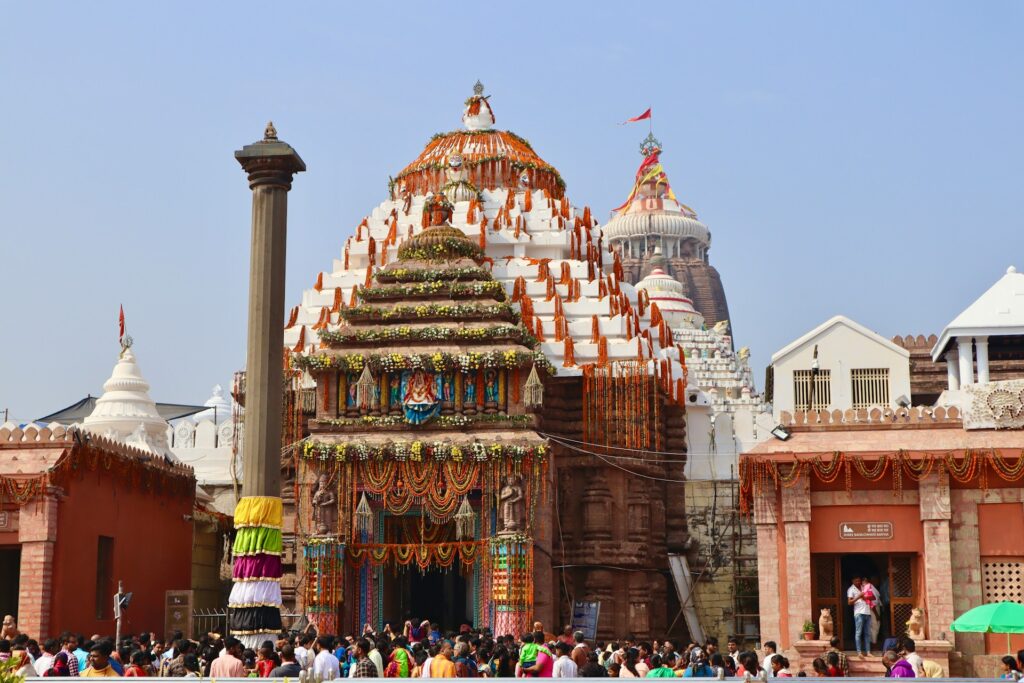
Set on the east coast of India, along the shores of the Bay of Bengal, Puri is famous for the Jagannath Temple and its stunning beaches—but in July, it turns into something else entirely. The city becomes a moving celebration, alive with music, devotion, and a kind of energy that’s impossible to put into words.
I visited during Rath Yatra, and the sight of thousands of people pulling gigantic, color-soaked chariots through the streets was honestly humbling. It’s loud, spiritual, intense—and one of the best places to visit in India during July if you want to witness something truly unique.
Why Visit in July
- July marks the Jagannath Rath Yatra, one of the most important Hindu festivals in India.
- Even if you’re not religious, the cultural atmosphere is electric—like a spiritual street carnival.
- The sea breeze, clouded skies, and off-season rates also make Puri a pleasant coastal break during the monsoon.
📍 Top Places to Visit in Puri
I spent four days here and honestly, every hour had something going on. Here’s what not to miss:
- Jagannath Temple: You can’t visit Puri and skip this. Non-Hindus aren’t allowed inside the temple, but even standing outside during the aarti was enough to give me goosebumps.
- Rath Yatra Procession (Grand Road): If you’re there during the festival (usually early to mid-July), this is the main event. The massive wooden chariots are hand-pulled by thousands, with chants and drums echoing through the town.
- Puri Beach: Golden sands and wild waves. After the festival chaos, I sat here with some peanuts and just let the ocean hum me back to calm.
- Konark Sun Temple (40 km away): This UNESCO World Heritage site is a short drive from Puri. The carvings? Mind-blowing. Even the rain made it more mystical.
What to Eat in Puri
Odisha’s coastal cuisine is full of flavors—simple, fresh, and perfect for rainy weather.
- Chhena Poda: A baked cheese dessert that’s sweet, smoky, and unforgettable. I tried it from a roadside bakery—still warm from the oven!
- Dalma: A comforting mix of lentils and veggies, cooked in ghee and spices. It’s often served with rice at local eateries.
- Seafood Curries: Especially prawns and fish, usually cooked in mustard oil and coconut. Try it at a beachside shack with steamed rice.
What to Shop
- Pattachitra Paintings: Traditional scroll paintings with mythological stories. I brought one home that now hangs above my reading corner.
- Shell Crafts and Conch Jewelry: Perfect little gifts for beach lovers.
- Jagannath souvenirs: Keychains, wall art, and wooden miniatures from the temple town.
How to Reach Puri
Getting to Puri is surprisingly easy—and scenic!
- Nearest Airport: Biju Patnaik International Airport, Bhubaneswar (60 km)
- Nearest Railway Station: Puri Railway Station – well connected to Kolkata, Delhi, and southern cities
- By Road: Frequent buses and cabs from Bhubaneswar; I took a local train and it was comfortable and timely.
💡Tip: Book your accommodation well in advance if you’re planning to visit during Rath Yatra. Also, wear comfortable footwear—you’ll be doing a lot of walking and dancing in the rain.
If you’re looking for places to visit in India during July that blend culture, sea breeze, and spiritual energy, Puri is a powerful, unforgettable stop.
9. Gangtok, Sikkim
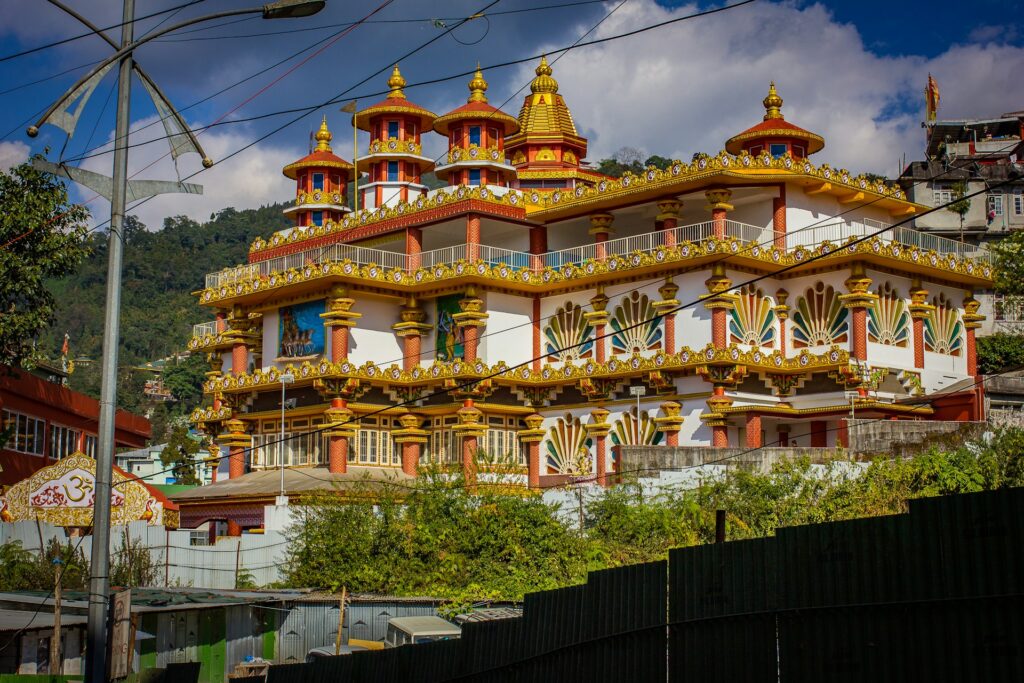
The first thing I noticed when I arrived in Gangtok was the silence. Not the awkward kind—but the kind that wraps around you like a warm shawl. It had just rained, and the streets were slick, the trees were shining, and clouds were literally floating past my window. Gangtok in July is green, misty, and deliciously slow—and after the madness of monsoon downpours elsewhere, this hill town felt like a peaceful retreat.
Sikkim’s capital is also a melting pot of cultures—Buddhist, Nepali, Lepcha—all layered over a town filled with monasteries, cafés, waterfalls, and winding hill roads.
Why Visit in July
- July is peak monsoon, so yes, you’ll see a lot of mist and light rain—but that’s what makes it dreamy.
- While some high passes may close due to landslides, Gangtok town and nearby spots are still accessible and gorgeous.
- If you’re looking for a quiet getaway in the hills, with cloud-watching and café-hopping, this is it.
📍 Top Places to Visit in and around Gangtok
I explored Gangtok in slow motion—literally, because the roads are curvy and the clouds take their time.
- MG Marg: The heart of Gangtok. No cars, just shops, cafés, lights, and mountain air. I sipped hot coffee at Baker’s Café while watching the fog roll over the street.
- Rumtek Monastery: About 25 km from town, this is one of the largest monasteries in Sikkim. Peaceful, colorful, and spiritually grounding. The monks were kind enough to let me sit in on a prayer session—goosebumps.
- Tashi View Point: You won’t always get a clear view in July, but if you’re lucky—you’ll see layers of green mountains and maybe even a glimpse of Kanchenjunga.
- Banjhakri Falls: A short drive from town and great after the rains. The water flow is intense in July, and the trail is surrounded by lush forest and tribal sculptures.
What to Eat in Gangtok
Food here is simple but soul-filling, especially in monsoon.
- Phagshapa: A spicy pork dish with radish and chilies—perfect with rice on a rainy evening.
- Momos: Every street has them. I found a tiny place near MG Marg that made them with spinach and cheese—new favorite.
- Thenthuk: A thicker, hand-pulled noodle soup. One bowl and you’re warm to the bone.
What to Shop
- Prayer flags and Tibetan handicrafts: I bought some to tie at home—each color represents an element.
- Sikkimese tea: Try Temi tea—locally grown and delicious.
- Handwoven woollens and scarves: Available in little stalls near MG Marg.
How to Reach Gangtok
It takes a little effort to get here—but that just makes it more special.
- Nearest Airport: Pakyong Airport (35 km) – flights are weather-dependent.
- Best Connected Airport: Bagdogra Airport (125 km) – from there, take a shared cab or private car (~4–5 hours).
- Nearest Railway Station: New Jalpaiguri (NJP) – about 120 km away. I took a train to NJP and then a shared cab to Gangtok—beautiful journey.
💡 Shruti’s Tip: Monsoon in the Northeast is gentler, but landslides can happen. Keep an extra day or two in your plan. And don’t forget a light rain jacket and waterproof backpack liner—your camera will thank you.
If you’re making a list of places to visit in July in India that mix nature, culture, and cozy cafés, Gangtok is an underrated gem. It’s not flashy, but it’s full of heart.
Best Places to Visit in India In July (West India)
West India, where the monsoon transforms dusty hills into waterfalls, plateaus into foggy wonderlands, and forts into fairytales. Western India might be known for its heat and deserts, but trust me—July changes everything.
10. Mahabaleshwar, Maharashtra
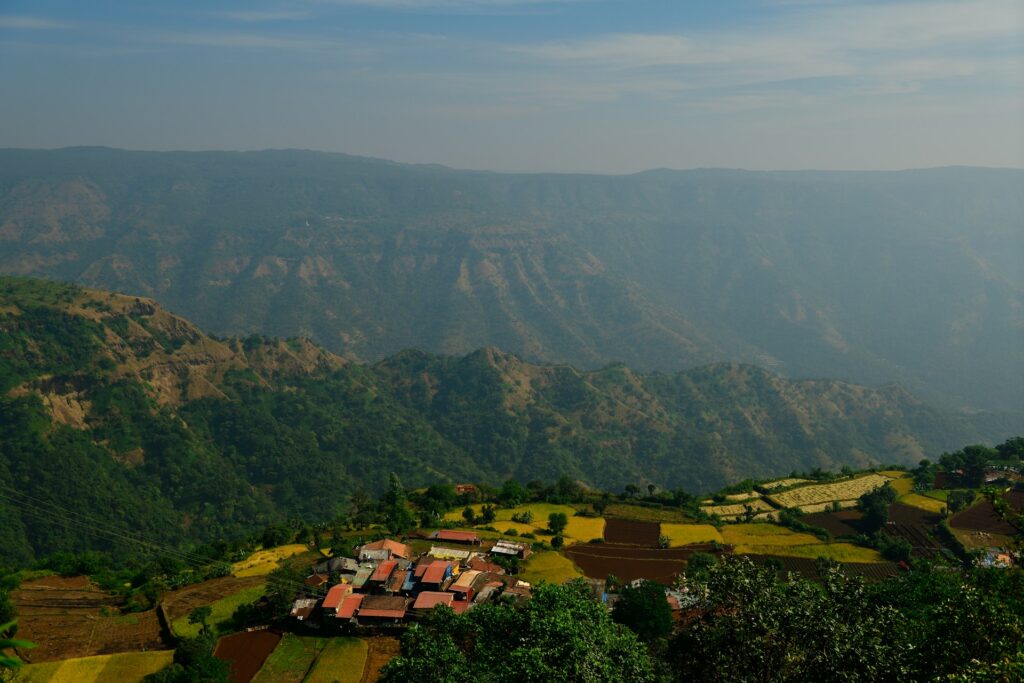
If you’ve never seen red mud, strawberries, and fog all in one frame—Mahabaleshwar in July will be a delightful surprise.
I arrived during a light rain, expecting a sleepy hill station and instead found myself standing at a cliff, watching waterfalls tumble off the Sahyadris into valleys below, completely covered in clouds. The monsoon doesn’t tiptoe into Mahabaleshwar—it takes over, in the best way possible.
Located in Maharashtra’s Satara district, Mahabaleshwar is one of the best places to visit in India during July for a weekend getaway, especially if you’re based in Pune or Mumbai.
Why Visit in July
- July is peak monsoon here—expect dramatic weather, lush forests, and foggy viewpoints.
- Waterfalls and streams flow in full glory—everywhere you go, something’s gushing!
- Strawberries may be out of season, but the misty charm makes up for it.
📍 Top Places to Visit in Mahabaleshwar
Everywhere you go feels like a movie set during monsoon. Here’s what I explored:
- Arthur’s Seat: Probably the most iconic viewpoint—if the clouds part for you (they did for me!), the views of the valley are jaw-dropping.
- Lingmala Waterfall: This was a highlight of my trip. In July, it’s in full force, crashing down like something out of Jurassic Park. Be prepared to get wet just standing near it!
- Venna Lake: I skipped the boating (rains!), but the lakeside stalls serving hot bhutta (corn on the cob) and vada pav? Worth it.
- Mapro Garden: A must-stop for fresh sandwiches, strawberry syrups, and chocolates. Even in the off-season, the café buzzes with warmth.
What to Eat in Mahabaleshwar
- Vada Pav with Fried Chilies: Rainy-day gold.
- Strawberry Cream (if you’re lucky to find some)
- Hot chocolate at Mapro Café: So good I had it twice.
What to Shop
- Fruit jams & syrups: Mapro and Mala’s are local legends.
- Chikkis (peanut brittle) and masalas
- Local craft stalls near the lake
How to Reach Mahabaleshwar
- Nearest Airport: Pune (120 km) or Mumbai (230 km)
- Nearest Railway Station: Wathar (60 km) – limited connectivity
- Best Option: Drive or take a cab/bus from Pune or Mumbai. I rented a car from Pune and the drive through misty ghats was one of the best parts of the trip.
💡 Shruti’s Tip: Bring a raincoat, not an umbrella—the wind here has other plans! And don’t rush your trip; take your time at each viewpoint. Sometimes the best views come after 15 minutes of just waiting in the fog.
11. Mount Abu, Rajasthan
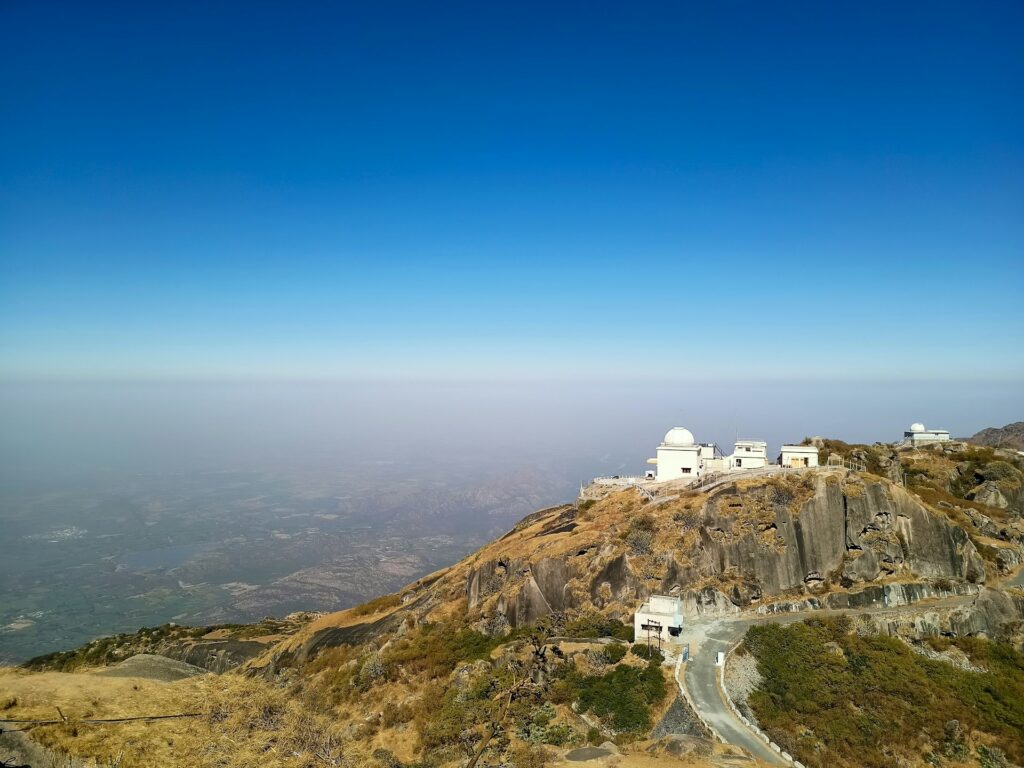
When you think of Rajasthan, your mind probably goes to sand dunes, scorching sun, and camel rides. I thought the same—until I ended up in Mount Abu on a monsoon road trip. Perched on the highest point of the Aravalli range, Mount Abu is Rajasthan’s only hill station, and in July, it wears a whole new look—misty, green, and full of little surprises.
There’s something beautifully unexpected about sipping masala chai beside a lake while a mountain breeze whistles through a pine forest—all while you’re still in Rajasthan.
Why Visit in July
- It’s one of the coolest getaways in West India during the monsoon—literally and figuratively.
- Greenery spreads across the dry Aravalli landscape, making it feel like a secret monsoon hideaway.
- Waterfalls start to appear, lakes fill up, and the air is cool and clean—a rarity in desert states.
📍 Top Places to Visit in Mount Abu
I explored these over two relaxed days, umbrella in one hand, camera in the other.
- Nakki Lake: The heart of Mount Abu. I walked around the lake at dusk, with fog rolling in and paddle boats gliding across the water. It was peaceful, romantic, and very un-Rajasthan-like.
- Toad Rock: A short climb from Nakki Lake, this oddly shaped rock actually looks like a giant toad! Great spot for panoramic views (when the clouds lift!).
- Dilwara Temples: These Jain temples completely blew me away. The marble carvings are insanely detailed—it’s art you don’t expect tucked away in a monsoon-soaked mountain.
- Guru Shikhar: The highest point in the Aravallis. When the skies clear for a moment, the view is jaw-dropping. A bit of a climb, but totally worth it.
What to Eat in Mount Abu
- Rajasthani thali: Perfect after a rainy day of exploring. Think gatte ki sabzi, dal baati churma, and more.
- Street food by Nakki Lake: Corn, kachori, and hot gulab jamun!
- Chai & pakoras at roadside stalls during a sudden downpour = instant happiness.
What to Shop
- Rajasthani textiles: Light stoles, patchwork bags, and embroidered kurtis.
- Local marble handicrafts: Inspired by the carvings at Dilwara.
- Tribal jewelry and wooden curios from the markets near Nakki Lake.
How to Reach Mount Abu
- Nearest Airport: Udaipur (185 km) or Ahmedabad (225 km)
- Nearest Railway Station: Abu Road (28 km) – well connected to Delhi, Jaipur, and Mumbai
- By Road: I drove in from Udaipur—lush fields, light rain, and hill roads made it such a peaceful journey.
💡 Shruti’s Tip: Monsoon in Mount Abu is soft and romantic. Great for couples or solo travelers who just want to unplug. Stay near the lake if you love misty morning walks.
Mount Abu may not be the first name you think of when planning places to visit in India during July, but that’s exactly why it’s special. It’s Rajasthan—with clouds, not camels.
12. Saputara, Gujarat
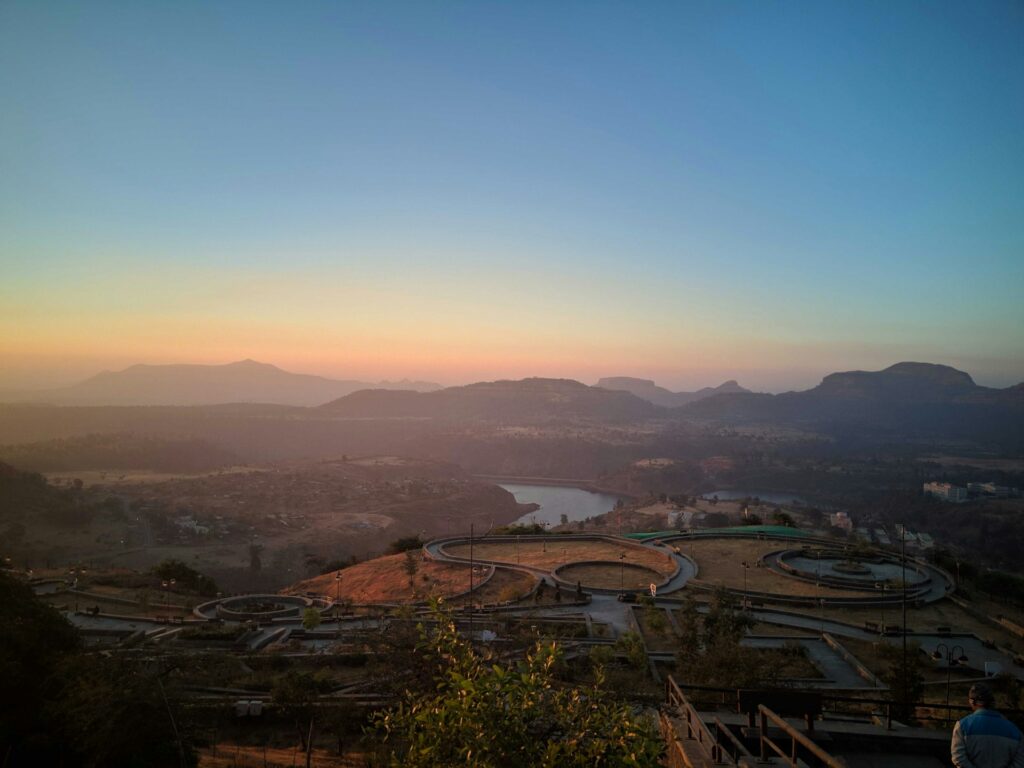
Gujarat and hill station? I know—sounds like a contradiction. But then I landed in Saputara, and it completely flipped that idea. Tucked away in the Sahyadri Hills of the Dang district, this quaint little town comes alive in July. Think rolling hills covered in mist, curvy roads lined with waterfalls, and local tribal villages peeking out from green canopies.
It’s simple, soulful, and one of the most underrated places to visit in India during July—especially if you want peace, greenery, and a little drizzle on your soul.
Why Visit in July
- July kicks off the monsoon season, making Saputara green, cool, and extremely photogenic.
- The town isn’t commercialized, so you get to enjoy the rain without crowds.
- Perfect for long walks, scenic drives, and a slice of monsoon solitude.
📍 Top Places to Visit in Saputara
I explored Saputara on a two-day monsoon loop, and every stop felt like I had the hills all to myself.
- Saputara Lake: The centerpiece of the town. Surrounded by foggy hills, it’s perfect for a quiet stroll or paddle boating when the rain takes a break.
- Sunset Point: Ironically, I didn’t see a sunset—just clouds and more clouds. But even that was beautiful. The view stretches across valleys that look like giant green quilts.
- Gira Waterfalls (near Waghai): A monsoon-only spectacle! The waterfall was thundering when I went, and the trek to it was all squishy mud and laughter. Worth it.
- Artist Village & Tribal Museum: Small, simple, and full of culture. I got to watch local artisans work on Warli paintings and bamboo crafts—really grounding.
What to Eat in Saputara
- Gujarati thali: Served with love, mango pickle, and hot ghee rotis. A must.
- Bhakri & green chili chutney: Spicy, local, and soul-warming during a downpour.
- Masala corn & tea near the lake stalls—because it’s monsoon and we deserve it.
What to Shop
- Handcrafted bamboo items: Lamps, baskets, trays—sustainable and stylish.
- Warli art from the Artist Village
- Local honey & pickles from roadside stalls on the way back to Waghai
How to Reach Saputara
This place feels remote but is surprisingly reachable.
- Nearest Airport: Surat (160 km)
- Nearest Railway Station: Waghai (50 km) – limited services, better to use Bilimora (110 km)
- By Road: I rented a car from Surat and took the scenic route through Vansda National Park. Highly recommend if you love forest drives and light rain on the windshield.
💡 Shruti’s Tip: This is a place where you go to disconnect. Don’t expect luxury, but do expect warmth—from both the people and the surroundings. Carry cash, a rain poncho, and your journal—you’ll need all three.
Saputara might not be a headliner, but in July, it’s one of the best places to visit in India during the monsoon—and definitely one of the best places to visit in July in West India if you love quiet corners.
Popular Indian Activities Ticket to Choose From
What to Pack for India in July (From Someone Who’s Been Soaked)
So, here’s the thing about traveling to the best places in India during July—you will get wet. Sometimes it’s romantic rain, sometimes it’s full-on “why is the sky angry?” rain. But don’t worry, I’ve figured out the formula to stay dry-ish and happy while hopping from hill stations to waterfalls.
Here’s my monsoon-tested packing list:
☔ 1. Rain Protection Essentials
- Lightweight raincoat or poncho – Skip the umbrella in windy hill towns. A poncho saved me in Munnar.
- Quick-dry travel umbrella – Useful in cities like Puri or Gangtok where rain is lighter.
- Waterproof backpack cover – Because nothing is worse than wet clothes and a soaked DSLR.
- Dry bags or ziplocks – For your electronics, passport, wallet, and phone. Trust me—lifesavers.
👟 2. Footwear for the Monsoon
- Anti-slip sandals or waterproof shoes – I wore a pair of trekking sandals in Spiti and Coorg—they were breathable, dried fast, and didn’t make me cry on wet rocks.
- Floaters or Crocs for city travel – They’re ugly-cute but so practical.
- Extra socks – Always. Pack double what you think you need.
👚 3. Clothing Tips
- Quick-dry pants and shirts – Cotton gets soggy and heavy. Try dry-fit or linen blends.
- A couple of warm layers – Especially for places like Ladakh, Gangtok, or Coorg where it can get chilly in the evenings.
- A lightweight shawl or scarf – For temple visits, sudden chills, or rogue AC in buses.
💊 4. Health & Safety Kit
- Basic meds – For motion sickness (ghat roads!), flu, fever, and stomach upsets.
- Insect repellent – Essential for foresty areas like Cherrapunji, Coorg, or Saputara.
- Hand sanitizer & wet wipes – Monsoon = mud. Enough said.
📸 5. Extras I’m Glad I Had
- Power bank – Because rain and charging points don’t get along.
- Mini flashlight – Especially for remote places with power cuts or evening treks.
- Travel journal – There’s something poetic about writing while it rains outside your homestay window.
- Snacks – Dry fruits, protein bars, and instant noodles saved me when roads were blocked in Gangtok.
💡Keep your packing light—but weather-smart. Try rolling your clothes instead of folding to make space for extras. And always, always carry an extra pair of dry clothes in your day bag.
Bonus Tip: Don’t forget to bring an open heart and a flexible itinerary. Monsoon travel in India isn’t about sticking to a schedule—it’s about flowing with the rain, literally and metaphorically.