
Getting married at Triyuginarayan Temple involves not just the spiritual rituals but also fulfilling the legal and documentation requirements—a step that many couples overlook but is absolutely critical. Skipping or misunderstanding this part can delay or invalidate the wedding, so let’s go through it carefully.
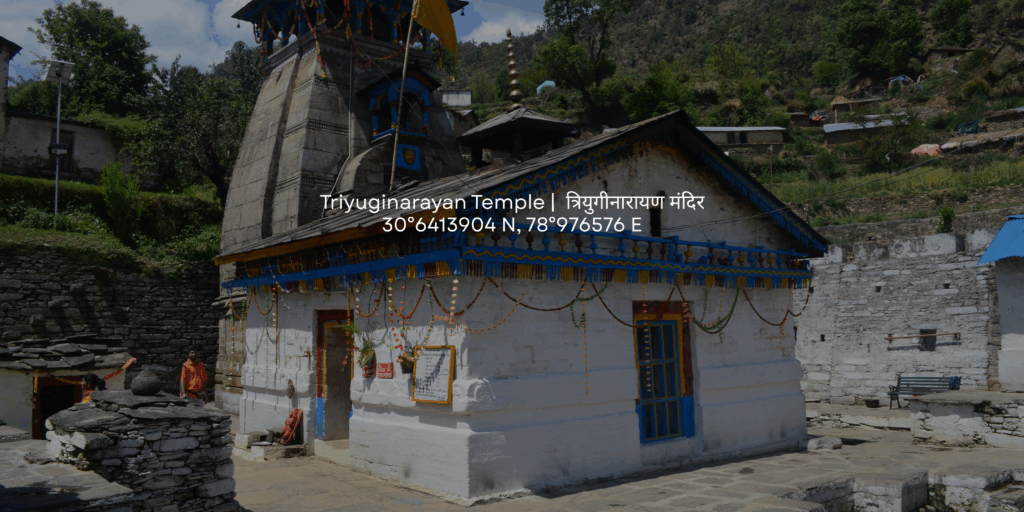
How to get married at Triyuginarayan Temple: Complete Guide
Dreaming of saying your vows where Lord Shiva and Goddess Parvati were once wed? If you’re wondering how to get married at Triyuginarayan Temple, you’re in the right place.
In this guide, we’ll walk you through everything you need to know to plan a wedding at one of the most sacred and picturesque locations in India. From registration and rituals to costs, documentation, and even travel logistics—we’re covering it all. Whether you’re planning an intimate elopement or a traditional Hindu wedding in the Himalayas, this blog will help you make your Triyuginarayan wedding seamless and unforgettable.
Let’s dive in and explore what makes this temple not just a destination, but a divine experience.
Why Choose Triyuginarayan Temple for Your Wedding Ceremony
Getting married at Triyuginarayan Temple is more than just a wedding—it’s a spiritual experience rooted in divine mythology and the serene beauty of the Himalayas. This ancient temple in Uttarakhand’s Rudraprayag district is believed to be the very place where Lord Shiva and Goddess Parvati were married, with Lord Vishnu himself acting as the witness. For couples seeking a sacred and meaningful wedding, this destination offers unmatched significance.
Mythological Importance
Triyuginarayan literally means “Three Yugas” (Satya, Treta, and Dvapara), symbolizing the temple’s presence across multiple cosmic ages.
The Akhand Dhuni (eternal flame) at the temple is believed to have been burning continuously since the divine wedding.
The sacred kunds (Brahma Kund, Vishnu Kund, Rudra Kund, and Saraswati Kund) add to the temple’s spiritual aura—ideal for ceremonial rituals.
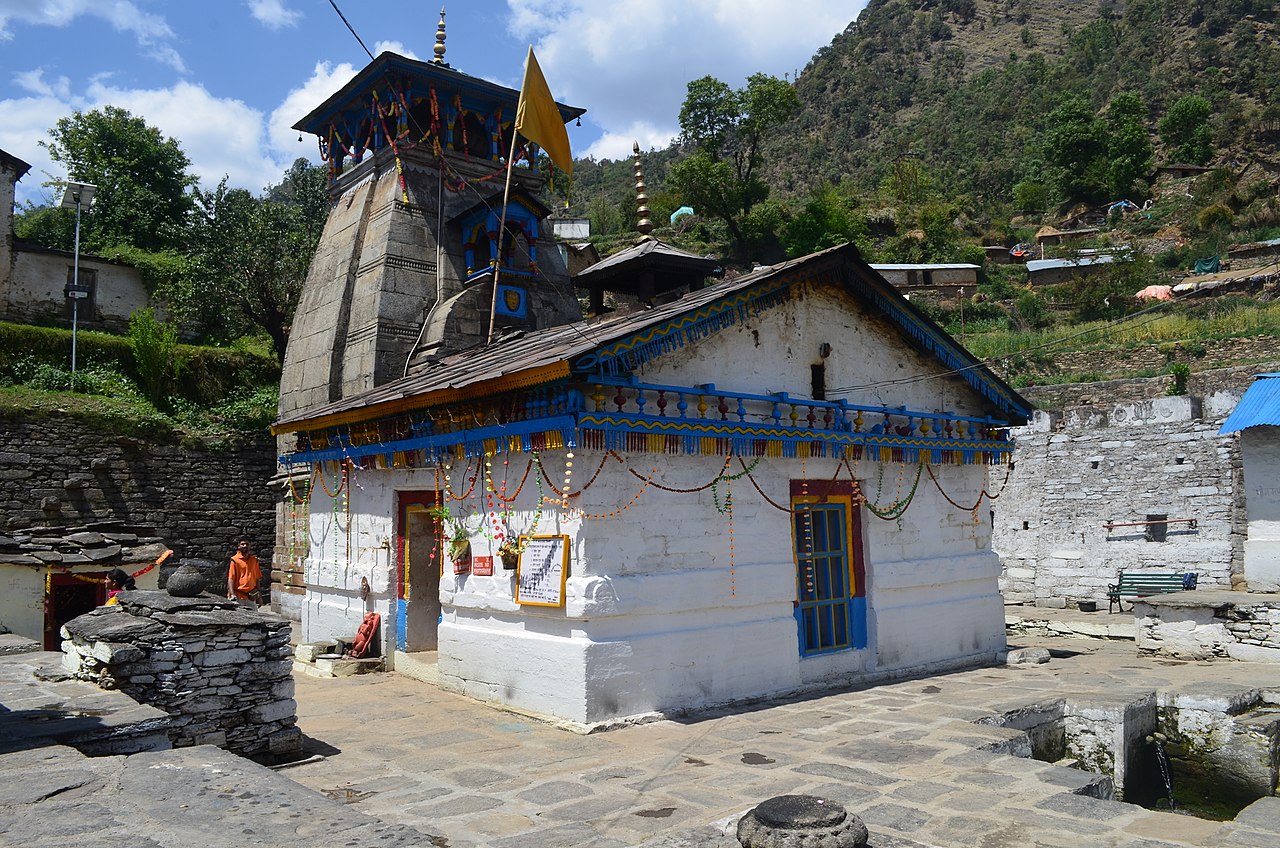
Scenic and Spiritual Ambiance
Perched at an altitude of 1,980 meters, the temple is surrounded by snow-capped peaks, pine forests, and pristine valleys.
A perfect location for those looking for a destination wedding in the Himalayas—peaceful, secluded, and naturally beautiful.
The tranquil surroundings make it ideal for intimate weddings with a deep spiritual core.
Authentic Vedic Wedding Experience
Couples are married following strict Hindu rituals with local purohits (priests) conducting the ceremonies.
The wedding is held near the Akhand Dhuni, echoing the celestial event it commemorates.
Optional inclusion of Garhwali folk music, rituals like haldi and mehendi, and traditional wedding attire enhances the cultural immersion.
Ideal for Love and Traditional Marriages Alike
The temple permits both arranged and love marriages, provided basic documentation and parental presence are ensured.
Perfect for couples looking to blend faith, heritage, and love into one unforgettable moment.
Triyuginarayan Temple Marriage Registration Process – Step-by-Step
Planning a wedding at Triyuginarayan Temple isn’t just romantic—it’s sacred. But before the rituals and celebrations begin, it’s important to follow the official registration process to ensure your ceremony is recognized and conducted smoothly. Here’s a step-by-step guide to how to get married at Triyuginarayan temple to help you navigate the formalities.
Step 1: Contact the Temple Committee or Authorized Wedding Planner
To begin, reach out to the Triyuginarayan Temple Committee or a trusted local wedding planner who is familiar with the temple’s protocol. Since the temple is located in a remote area, having a local contact will help you:
Check date availability
Understand the temple’s calendar and limitations (especially during pilgrimage seasons)
Coordinate logistics with the Tirtha Purohit Samiti (the group of local priests who manage weddings)
Tip: You can also find authorized planners online who offer complete packages, including legal support, accommodation, and rituals.
Step 2: Prepare and Submit Required Documents
To get married at Triyuginarayan Temple, both the bride and groom must meet age and ID requirements. You’ll need to provide:
Photocopies of Aadhar cards or valid passports
Passport-sized photographs (usually 2–4 each)
Parental or guardian identity proof
Written consent if either party is under 21 (for the groom) or under 18 (for the bride)
Optional: Affidavit declaring marital status (especially important for love marriages)
Step 3: Registration with Tirtha Purohit Samiti
Once your documents are verified, you’ll need to:
Register your marriage with the Tirtha Purohit Samiti
Pay a nominal registration fee of ₹1,100 (subject to change based on local guidelines)
Receive confirmation of your wedding date and time slot
This registration ensures your wedding is conducted officially and ritually correct.
Step 4: Confirm Booking and Ceremony Details
After registration, confirm the final ceremony plan:
Ritual timing (usually based on an auspicious muhurat)
Number of guests permitted (temple space is limited to around 20-30 guests)
Additional arrangements like décor, music, and photography (if using a planner)
You’ll also get access to local accommodation options and logistics help through the same point of contact.
Summary Checklist for Registration
| Requirement | Details |
|---|---|
| Age | Groom: 21+, Bride: 18+ |
| ID Proof | Aadhar card or passport (both parties + parents) |
| Photos | 2–4 passport-sized photos |
| Registration Fee | ₹1,100 (paid to Tirtha Purohit Samiti) |
| Consent | Required for love marriages or if under legal age |
| Authority | Register with the Tirtha Purohit Samiti |
Required Documents and Legal Guidelines to Get Married at Triyuginarayan Temple
Legal Age Requirements
To legally marry in India, the minimum age requirements are:
Bride: 18 years or older
Groom: 21 years or older
If either party is underage, the temple committee will not conduct the wedding, and the authorities may intervene.
Parental Presence or Consent
Parental or guardian presence is mandatory, especially in the case of love marriages.
If parents can’t attend in person, a written and signed consent letter along with a photocopy of their ID proof must be submitted.
At least one guardian from either side must be physically present during the ceremony for verification.
List of Required Documents
Here’s a complete checklist of documents you’ll need to submit to the Tirtha Purohit Samiti or your chosen wedding planner:
| Document | Who Needs It | Purpose |
|---|---|---|
| Aadhar Card / Passport (Photocopy) | Bride & Groom | Identity & age proof |
| Birth Certificate (Optional but helpful) | Bride & Groom | Age verification if ID is unclear |
| Passport-sized Photographs | Bride & Groom | Registration and marriage record |
| Aadhar Card / Passport (Photocopy) | Parents/Guardians | Verifying parental presence & consent |
| Affidavit of Marital Status | Bride & Groom | Especially for love marriages / second marriages |
| Letter of Consent | Parents/Guardians | Mandatory if either party is just above minimum age |
| Witness IDs (Optional) | Witnesses (if applicable) | Verification for legal documentation post-wedding |
Note: It’s a good idea to bring 2–3 photocopies of each document and keep digital backups (PDFs or photos) on your phone or USB drive.
What Happens After You Submit Documents
Once all documents are submitted:
The Tirtha Purohit Samiti verifies the authenticity and checks compliance with religious and legal requirements.
You’ll be asked to pay the registration fee (usually ₹1,100).
A formal wedding registration entry is made in the temple’s logbook.
You’ll be issued a ceremonial receipt or record, which can later be used to register your marriage legally with the local government (more on that in a later section).
For Foreign Nationals or NRIs
If either party is a non-resident Indian (NRI) or a foreigner, additional requirements apply:
Valid passport and visa copy
No Objection Certificate (NOC) from their embassy in India
Affidavit of single marital status
Foreigner guests may also be required to register with local authorities if staying beyond a certain period
💡 Foreign nationals are strongly advised to coordinate with a local wedding planner or legal advisor to ensure compliance with both religious and civil requirements.
Important Legal Notes
The temple wedding itself is not a legally registered marriage under Indian civil law.
To legalize it, you’ll still need to register your marriage at a Sub-Registrar office in your jurisdiction.
However, the ceremonial certificate or receipt issued by the temple is often used as supporting proof of marriage.
Couple Getting married At Triyuginarayan Temple: Video
Video Credits: Vanirah Farm Youtube Channel
Triyuginarayan Temple Wedding Cost and Packages Explained
Understanding the cost of getting married at Triyuginarayan Temple is essential for proper budgeting—especially since the temple is in a remote location and most services are bundled into all-inclusive packages. While it’s possible to plan everything independently, most couples opt for professional wedding planners to handle logistics, rituals, and hospitality in this unique destination.
Let’s break down the full wedding cost structure and your options.
Base Cost: Temple Registration & Ritual Charges
At the core, your wedding includes the basic spiritual components:
| Item | Approximate Cost (INR) | Details |
|---|---|---|
| Temple Wedding Registration | ₹1,100 | Paid to Tirtha Purohit Samiti |
| Purohit Dakshina (priest fee) | ₹5,000–₹10,000 | Varies based on rituals & hours |
| Basic Mandap Setup (optional) | ₹10,000–₹15,000 | Simple floral decorations & seating |
| Ritual Samagri (offerings) | ₹2,000–₹3,000 | Firewood, ghee, puja thalis, etc. |
Total basic cost (DIY style): ₹20,000–₹30,000
Wedding Packages (Accommodation + Food + Decor)
Budget Package (10–20 guests)
Cost: ₹1.5–₹3 lakhs
Includes:
2–3 nights’ accommodation in guesthouses/lodges
Veg meals (breakfast, lunch, dinner)
Purohit services and complete Vedic rituals
Mandap setup and light floral decoration
Transportation from base points like Sonprayag or Sitapur
Mid-Range Package (20–40 guests)
Cost: ₹3.5–₹6 lakhs
Includes:
Stay in boutique properties or resorts (e.g., Sitapur or Phata)
Welcome events (haldi, mehndi, sangeet)
Enhanced decor with local flowers and Himalayan themes
Basic photography + drone shots
Guest transport via jeeps or SUVs
Premium Package (Luxury + Helicopter Access)
Cost: ₹8–₹15 lakhs or more
Includes:
VIP accommodation with mountain-view rooms or private cottages
Charter helicopter to and from temple (optional)
High-end décor, floral canopy, light arrangements
Live Garhwali musicians or folk artists
Luxury meals and personalized catering
Professional wedding photography + reels
Final Note: While the cost varies based on your guest count, service level, and season, you can have a beautiful wedding at Triyuginarayan Temple starting under ₹2 lakhs—something nearly impossible in urban wedding venues.
Checkout Wedding Packages by some Luxury wedding providers here: Wedding Packages
Traditional Hindu Wedding Rituals at Triyuginarayan Temple: Complete Step by Step Guide
Getting married at Triyuginarayan Temple isn’t just a celebration—it’s a sacred re-enactment of the legendary wedding between Lord Shiva and Goddess Parvati, which was witnessed by Lord Vishnu himself. Every ritual performed here has deep spiritual significance, carried out in the presence of the eternal Akhand Dhuni, the divine flame that is believed to have been burning since that mythological event.
Here is a respectful, step-by-step guide to the rituals performed during a traditional wedding at the temple:
Ganesh Puja (Invoking Lord Ganesha)
Before starting any sacred Hindu ceremony, Lord Ganesha—the remover of obstacles—is worshipped.
A brief puja is conducted by the temple purohit (priest) to seek blessings for a smooth wedding.
This ritual sets a peaceful and divine tone for the rest of the ceremony.
Haldi Ceremony (often performed a day before the wedding)
A paste made of turmeric, sandalwood, and rosewater is applied to the bride and groom.
Considered auspicious, this ceremony is usually performed by close family members.
It signifies purification and glowing energy for the bride and groom.
Note: If you’re planning a full wedding package, this ritual is often included the evening before the main ceremony.
Mehndi Ceremony (Optional but popular among modern weddings)
Intricate henna designs are applied to the bride’s hands and feet.
It’s both a decorative and symbolic ritual, representing love and joy.
Local Garhwali songs and folk dance are sometimes included for cultural touch.
Agni Sthapana (Establishing the Sacred Fire)
The Akhand Dhuni, a continuously burning fire at the temple, is used to ignite the sacred wedding fire (Agni).
This symbolizes purity and divine witness to the union.
Jaimala Ceremony (Exchange of Garlands)
The bride and groom exchange floral garlands, symbolizing their acceptance of one another.
This is the first official act of the wedding where the couple acknowledges their bond.
Kanyadaan (Giving Away of the Bride)
Performed by the bride’s father or guardian, this ritual signifies the giving away of the daughter to the groom.
The groom is seen as Vishnu and the bride as Lakshmi, highlighting the divine nature of their bond.
Gathbandhan (Tying the Sacred Knot)
The ends of the bride’s saree and the groom’s stole are tied together by the priest, symbolizing eternal union and commitment.
Mangal Phera / Saptapadi (Seven Sacred Rounds Around the Fire)
The couple takes seven rounds around the holy fire, each representing a vow (promise) made to each other:
Nourishment and food
Strength and health
Prosperity
Happiness
Progeny
Harmony
Lifelong companionship
📜 Each round is guided by Vedic chants, and the couple steps in sync with one another.
Sindoor and Mangalsutra
The groom applies sindoor (vermillion) to the bride’s forehead and ties the mangalsutra (sacred necklace) around her neck.
This marks the moment when the bride is officially recognized as a married woman in Hindu tradition.
Ashirvaad (Blessings) and Temple Pradakshina
The newlyweds touch the feet of elders and receive blessings.
They also perform a parikrama (circumambulation) of the sacred Triyuginarayan Kunds—Brahma Kund, Vishnu Kund, Rudra Kund, and Saraswati Kund—as a mark of gratitude to the deities.
Marriage Certificate & Temple Blessing Note
- The couple receives a ceremonial wedding record from the Tirtha Purohit Samiti.
- Many planners also provide a framed certificate as a memento of the spiritual wedding.
Famous Celebrities Who Got Married At Triyuginarayan Temple
Here are some well-known celebrities and influencers who have chosen the divine setting of Triyuginarayan Temple for their weddings, adding to its growing popularity as a sacred destination:
Kavita Kaushik & Ronnit Biswas
Best known for her role as Chandramukhi Chautala in F.I.R., TV actress Kavita Kaushik said her vows at Triyuginarayan Temple in January 2017.
It was a simple, intimate affair with just a few family members, chosen for its spiritual significance over grandeur.
Nikita Sharma & Rohandeep Singh
Television actress Nikita Sharma (Do Dil Ek Jaan, Shakti) tied the knot here with Rohandeep Singh in 2021.
She opted for a traditional red saree and minimalist décor, embracing the temple’s spiritual vibes.
Aditi Kant & Aditya Bansal
Influencer bride Aditi Kant and entrepreneur Aditya Bansal also exchanged their vows at the temple.
Aditi wore a blush-pink lehenga, and their ceremony emphasized spiritual simplicity and meaningfulness.
Chitra Shukla & Vaibhav Upadhyay
Chitra Shukla, a Telugu film actress, married IFS officer Vaibhav Upadhyay in a ceremony here.
Their wedding further showcases the temple’s appeal among regional celebrities seeking heartfelt, spiritual nuptials