
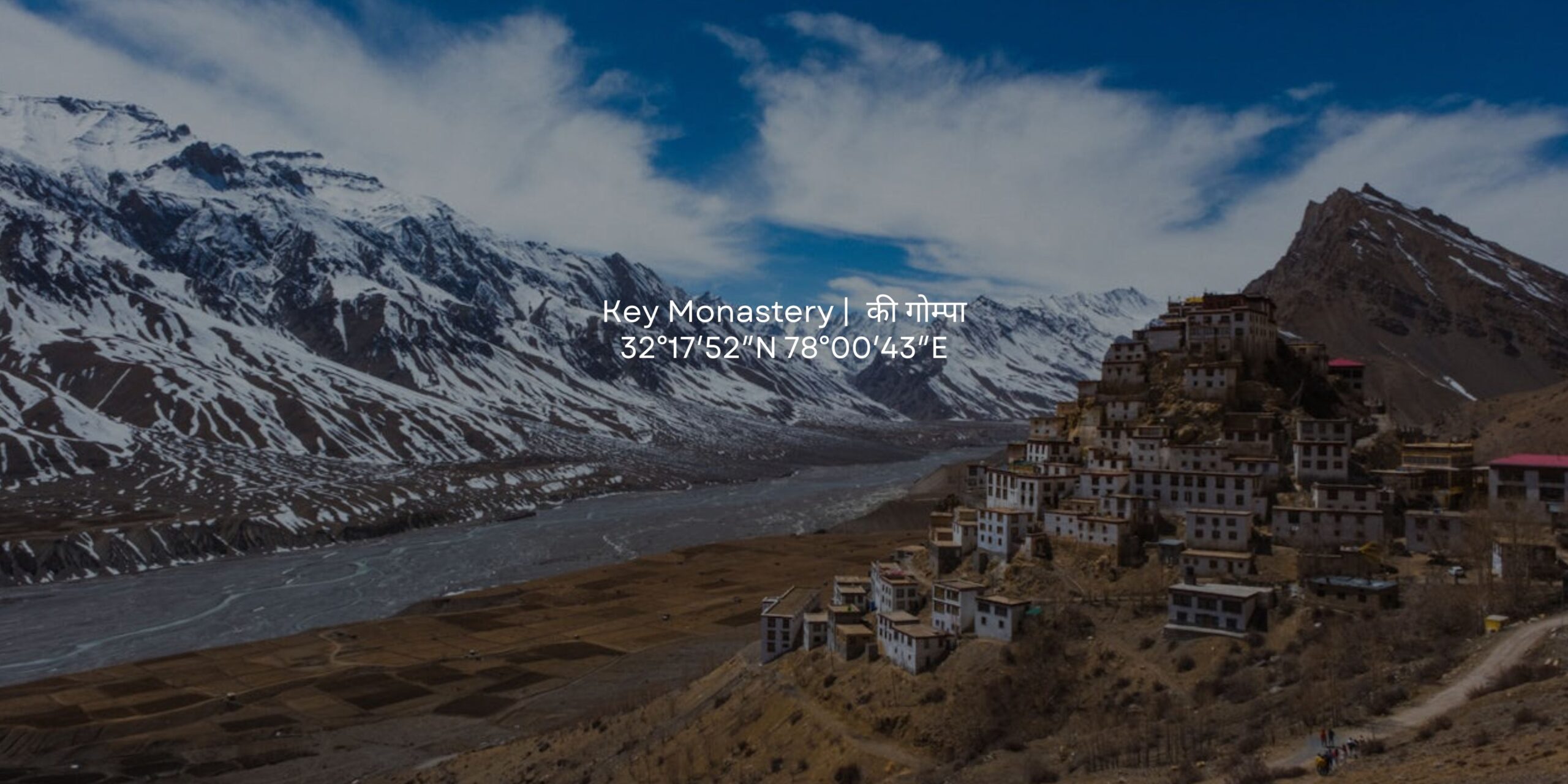
Can We Stay in Key Monastery?
This is one of those questions almost everyone asks while planning a trip to Spiti Valley. When travelers search “can we stay in Key Monastery”, they’re usually imagining a quiet night inside the monastery—sleeping under the stars, waking up to morning prayers, and experiencing monastic life from within.
The reality, however, is a little different.
Tourists are not allowed to stay overnight inside Key Monastery. While you are welcome to visit during the day, attend prayers, and explore the complex, staying at night or sleeping inside Key Monastery is not permitted.
Key Monastery is not a guesthouse or a heritage stay—it is a fully active monastery. Hundreds of monks live, study, and pray here every day, following a strict routine that begins early in the morning and continues well into the evening. Allowing tourist stays inside the monastery would disrupt this discipline, which is why overnight stays are restricted.
You may come across older travel stories online that talk about staying inside the monastery. These were rare exceptions from many years ago and are no longer allowed. Today, the rules are clear: visitors can explore Key Monastery during visiting hours, but accommodation must be arranged outside the monastery, usually in nearby villages or in Kaza.
The good news is that even without staying overnight, spending a few quiet hours inside Key Monastery—listening to chants, watching monks debate, and taking in the views—can still be a deeply peaceful and meaningful experience.
Why Tourists Are Not Allowed to Stay Inside Key Monastery
To really understand why tourists can’t stay inside Key Monastery, it helps to see the place not as an attraction, but as a working spiritual institution. Key Monastery is home to hundreds of monks, many of them young students, who follow a disciplined daily routine that revolves around prayer, study, and meditation.
Allowing visitors to stay overnight or at night would disrupt this rhythm. Monastic life begins early in the morning, often before sunrise, and continues through structured study sessions, debates, and evening prayers. Privacy and silence are essential to this way of life, which is why staying inside the monastery is restricted to monks and authorized individuals only.
Another important reason is limited space and resources. Key Monastery was never designed to host guests. The rooms inside are meant for monks, study halls, and religious activities—not for tourist accommodation. With Spiti Valley seeing more visitors every year, clear rules help protect the monastery from overcrowding and preserve its spiritual atmosphere.
There is also a strong element of respect and responsibility involved. The monastery authorities aim to balance openness with preservation. Day visits allow travelers to experience the culture and spirituality of the place, while overnight restrictions ensure that monastic traditions remain undisturbed.
In short, the rule isn’t about keeping travelers out—it’s about protecting a centuries-old way of life. By respecting these boundaries, visitors help ensure that Key Monastery continues to function as a living monastery, not just a place to sleep or tick off an itinerary.
Were Overnight Stays in Key Monastery Allowed Earlier?
Yes—in the past, there were a few rare instances when travelers were allowed to stay inside Key Monastery overnight. This is the reason you’ll still find older blog posts and personal stories online describing a “night at the monastery.” However, it’s important to understand the context behind those experiences.
These stays were never a formal or advertised arrangement. They usually happened many years ago, when tourism in Spiti Valley was minimal and visitor numbers were extremely low. In some cases, travelers were allowed to sleep inside due to bad weather, road closures, or personal connections with monks. These were one-off exceptions, not a standard practice.
As Spiti Valley became more accessible and tourism increased, the monastery authorities had to set clear and consistent rules. Allowing overnight stays for tourists started to interfere with monastic routines, privacy, and the overall spiritual environment. As a result, overnight stays inside Key Monastery were officially stopped.
This is where much of the confusion comes from. Older articles often don’t mention that these experiences are no longer possible, which can create unrealistic expectations for first-time visitors today. The current situation is straightforward: while you can visit the monastery during the day, staying at night or sleeping inside is not allowed anymore.
Understanding this shift helps you plan your trip with the right expectations—and avoids disappointment once you arrive in Spiti.
Who Is Allowed to Stay Inside Key Monastery?
While tourists cannot stay inside Key Monastery, there are specific groups for whom staying within the monastery is permitted. Understanding this helps clear up a lot of confusion around the question “can we stay in Key Monastery.”
First and foremost, resident monks and novice monks live inside the monastery full time. Key Monastery functions as a major monastic school in Spiti Valley, and many young monks come here from nearby villages and remote regions to study Buddhist philosophy, scriptures, and debate. For them, the monastery is both a place of learning and home.
In rare cases, authorized individuals may be allowed to stay temporarily. This can include:
Senior monks or teachers visiting from other monasteries
Religious scholars involved in teachings or ceremonies
Individuals with special permission granted directly by the monastery authorities
It’s important to note that these permissions are religious or administrative in nature, not tourism-related. They are not something travelers can apply for casually, and there is no formal process for tourists to request an overnight stay.
For visitors, this distinction matters. While you may see people staying inside the monastery complex, they are almost always monks or individuals involved in monastic work—not travelers. Respecting this boundary is part of visiting Key Monastery responsibly.
If you’re looking for a meaningful experience, the best approach is to visit during the day, observe prayers, and spend time quietly exploring the monastery—then stay overnight in nearby villages or Kaza, where accommodation is designed for travelers.
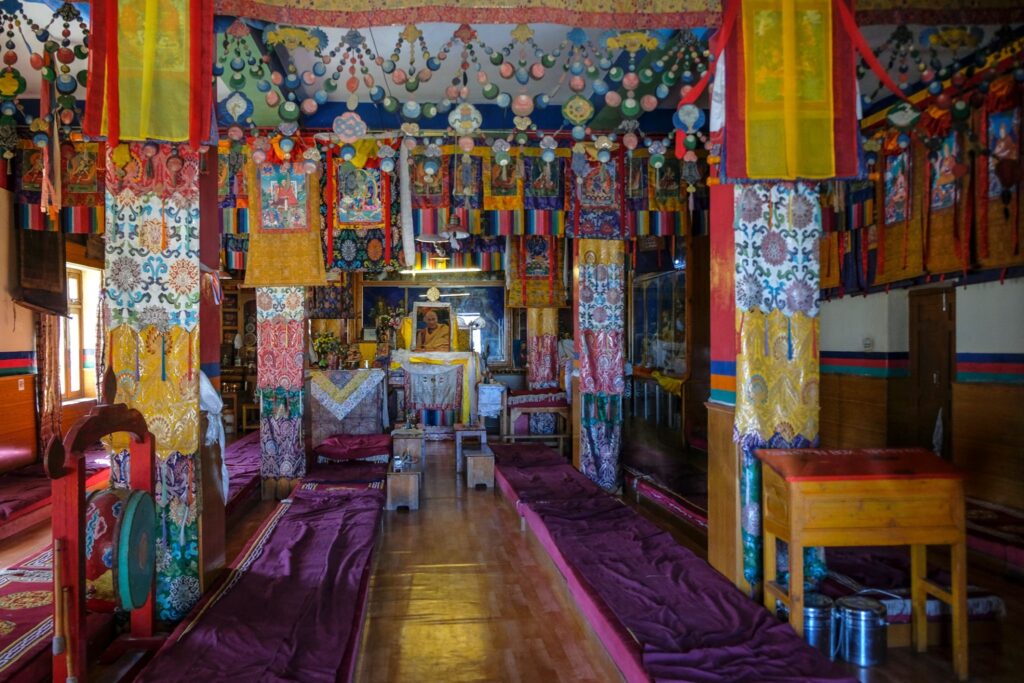
Where Can Tourists Stay Near Key Monastery?
Since tourists cannot stay inside Key Monastery, the good news is that there are several comfortable and convenient places to stay nearby. Most visitors choose accommodation based on how close they want to be to the monastery and the kind of experience they’re looking for.
Kaza – Most Popular & Convenient Option
Kaza is the main town in Spiti Valley and the most common base for travelers.
Wide range of hotels, guesthouses, and homestays
Reliable food options and basic facilities
Easy access to Key Monastery (around 12 km)
Ideal if you want comfort, connectivity, and flexibility
For first-time visitors, staying in Kaza makes planning much easier while still allowing relaxed day trips to the monastery.
Kibber Village – Closest Village Stay
Kibber is one of the closest villages to Key Monastery and offers a quieter, more local experience.
Small homestays run by local families
Peaceful setting with fewer tourists
Great option if you want to stay closer to nature and village life
Staying in Kibber allows you to visit the monastery early in the morning or late in the afternoon without a long drive.
Nearby Villages (Langza, Komic)
Villages like Langza and Komic also offer basic homestays.
Very quiet and scenic
Ideal for travelers seeking isolation and slow travel
Limited facilities, so advance planning is important
These are better suited for travelers already comfortable with Spiti’s altitude and minimal infrastructure.
Choose Kaza if you want comfort, food options, and ease of travel
Choose Kibber or nearby villages if you want a more immersive, peaceful experience
While you may not be able to stay overnight inside the monastery, staying nearby still allows you to spend meaningful time at Key Monastery during visiting hours—without disturbing its spiritual routine.
Can You Stay in Any Monastery in Spiti Valley?
This is another question that often comes up once travelers learn they can’t stay inside Key Monastery. The idea of spending a night in a monastery sounds deeply spiritual—but in reality, most monasteries in Spiti Valley do not function as guest accommodations.
In general, staying inside monasteries in Spiti Valley is not meant for tourists. These places are primarily centers of learning and religious practice, with strict daily routines that begin early in the morning and continue through the night. Just like Key Monastery, most gompas are active institutions where monks live, study, and pray—not places designed for overnight visitors.
That said, some confusion exists because:
In the past, very small or lesser-known monasteries occasionally allowed travelers to sleep inside during emergencies (bad weather, road closures)
Some people mistake monastery-run guesthouses or nearby homestays as staying “in a monastery”
Older travel blogs still describe experiences that are no longer allowed today
It’s important to understand the difference between staying inside a monastery and staying near one. In Spiti Valley, the latter is far more common and culturally appropriate. Many villages have homestays located close to monasteries, which allows travelers to visit early, attend morning prayers, and still respect monastic boundaries.
If your goal is a quiet, reflective experience, you don’t need to sleep inside a monastery to find it. Spending a few unhurried hours during the day—sitting in prayer halls, listening to chants, or simply observing monastic life—often feels far more meaningful than an overnight stay would.
Check Out More Monasteries in Spiti Valley:
Tips for Travelers Looking for a Spiritual Experience
Even though you can’t stay inside Key Monastery, you can still have a deeply spiritual and grounding experience if you approach your visit the right way. Often, it’s not about where you sleep, but how you spend your time at the monastery.
Here are a few simple, practical tips to help you connect more meaningfully:
Visit during early morning hours
Arriving early allows you to experience the monastery when it’s quiet. Morning prayers are especially peaceful and give you a glimpse into the daily rhythm of monastic life.Slow down and spend time observing
Instead of rushing through, sit quietly in a courtyard or prayer hall. Watching monks study, chant, or debate can be more powerful than any guided tour.Maintain silence and respect boundaries
Keep your voice low, avoid phone use inside prayer areas, and follow instructions from monks or caretakers. Respect is key to feeling welcomed.Dress modestly and simply
Comfortable, layered clothing works best in Spiti. Modest dress also shows respect for the spiritual environment.Stay nearby, not inside
Choose a homestay in villages like Kibber or Langza, or stay in Kaza. Being close allows you to visit the monastery multiple times without disturbing its routine.Be open to stillness
The most spiritual moments often come when you do nothing at all—listening to chants, watching prayer flags move, or simply breathing in the silence.
So, if you’re wondering can we stay in Key Monastery, the answer is clear: tourists cannot stay overnight or at night inside Key Monastery. While older stories online may suggest otherwise, current rules exist to protect the monastery’s spiritual discipline and the daily life of the monks who live there.
That said, not being able to stay inside doesn’t take away from the experience. Visiting Key Monastery during the day—attending prayers, observing monastic life, and spending quiet moments in its courtyards—can be just as meaningful. Staying in nearby villages or in Kaza allows you to enjoy comfort while still respecting the boundaries of this sacred place.
If you’re planning your trip, you may want to read our complete guide to Key Monastery in Spiti Valley to understand its history, timings, and what to expect during your visit. You can also explore our detailed guide on how to reach Key Monastery to plan your journey smoothly.
With the right expectations and a respectful approach, Key Monastery offers a powerful spiritual experience—one rooted in silence, tradition, and centuries of Himalayan wisdom, even without an overnight stay.