
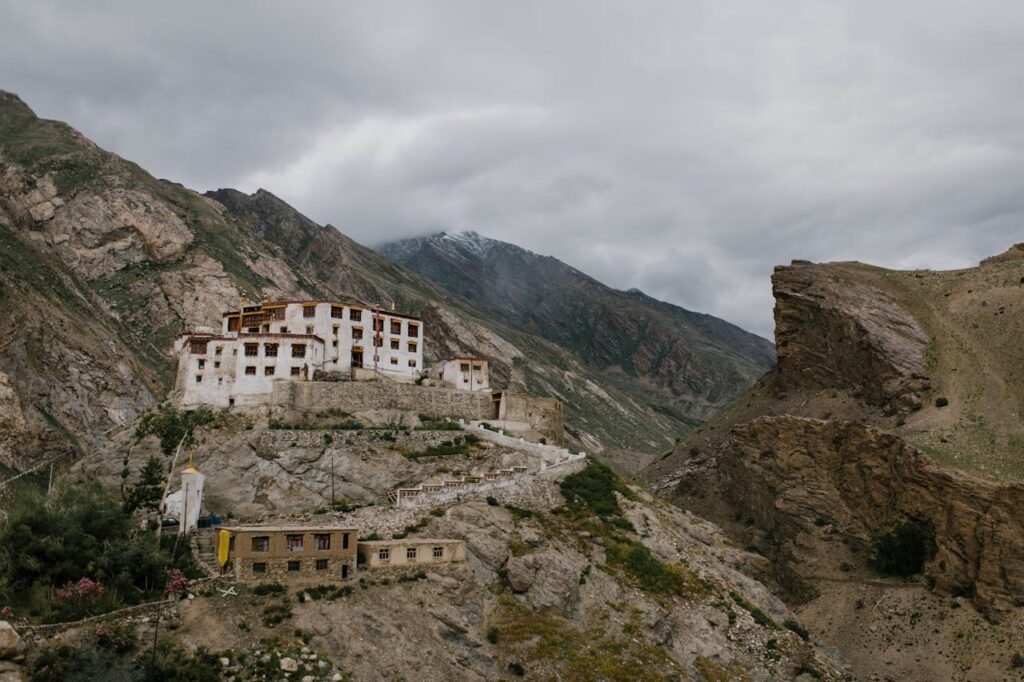
Monasteries in Spiti Valley: Where Faith, History, and the Himalayas Meet
Spiti Valley is a high-altitude cold desert located at an average elevation of 3,800–4,500 meters above sea level, and life here has always depended on resilience, faith, and community. Spread across this remote region are more than 10 functioning Buddhist monasteries, some dating back over 1,000 years, making them among the oldest spiritual institutions in the Indian Himalayas. Every monastery in Spiti Valley is not just a place of worship—it is a center of education, art, philosophy, and survival in one of the harshest inhabited landscapes on Earth.
Historically, Spiti remained cut off from the rest of India for nearly six months each year due to heavy snowfall, especially before modern road access improved connectivity. During these long, isolated winters, monasteries played a crucial role in preserving Tibetan Buddhist scriptures, wall murals, and oral teachings, many of which survived periods of political and cultural upheaval in the Himalayan region. Even today, monks in Spiti follow centuries-old traditions of learning, meditation, and ritual practice that have changed very little over time.
What makes a monastery in Lahaul Spiti particularly intriguing is its setting. Unlike monasteries in urban or easily accessible regions, Spiti’s gompas are often built on steep hilltops, cliff edges, or remote village plateaus, chosen deliberately for spiritual isolation and strategic protection. Reaching many of them involves driving through high mountain passes, river valleys, and sparsely populated terrain—turning the journey itself into a meaningful part of the experience.
This guide explores the most important monasteries in Spiti Valley by going beyond names and locations. You’ll learn how old these monasteries are, why they were built where they stand today, what role they still play in local life, and what travelers can realistically expect when visiting them. Whether you are drawn by history, spirituality, or the desire to experience places untouched by modern chaos, Spiti’s monasteries offer a depth that few destinations can match.
Why the Monasteries in Spiti Valley Are Essential to Understanding the Region
To understand Spiti Valley only through its landscapes is to miss its deeper story. The true identity of the region is rooted in its monasteries. For centuries, monasteries in Spiti Valley have functioned as far more than religious spaces—they have been schools, libraries, community centers, and administrative hubs for some of the highest inhabited villages in the world.
Spiti follows Tibetan Buddhism, and monasteries are central to preserving this way of life. In a region where agriculture is limited by altitude and climate, spiritual institutions provided structure, continuity, and education. Many families in Spiti still send at least one child to become a monk, continuing a tradition that has remained largely unchanged for generations. This makes every monastery in Spiti Valley a living institution rather than a historical relic.
Geographically, the placement of monasteries also tells a story. Most gompas were built on elevated ground or cliffs—not only for spiritual isolation but also for strategic reasons. Historically, these locations offered protection and visibility across valleys that once served as trade and migration routes between India and Tibet. A monastery in Lahaul Spiti often overlooks entire villages, symbolizing its role as both a spiritual guide and a guardian of the community below.
For travelers, visiting these monasteries provides context that no viewpoint or road trip can offer. The chanting of monks, the scent of butter lamps, and the sight of centuries-old murals instantly connect you to Spiti’s rhythm of life. You begin to understand why time moves differently here, why silence feels heavier, and why spirituality is not practiced occasionally—but lived daily.
Without experiencing its monasteries, Spiti Valley feels incomplete. They are the anchors that hold together the region’s history, culture, and people—making them essential stops for anyone who wants to truly know this Himalayan landscape.
The Most Important Monasteries to Visit in Spiti Valley
Spiti Valley is home to over 10 Buddhist monasteries, each with its own history, setting, and spiritual significance. While every monastery contributes to the region’s identity, some stand out because of their age, influence, architectural uniqueness, or the role they continue to play in local life. These monasteries are not ranked as “better” or “superior”—instead, they are considered essential stops for understanding Spiti’s cultural and spiritual landscape.
The monasteries listed below represent a balanced mix of iconic landmarks, ancient centers of learning, and lesser-known but deeply meaningful sites. Together, they offer travelers a complete picture of how Buddhism shaped Spiti Valley over centuries. Whether you’re visiting your first monastery in Spiti Valley or returning to explore deeper layers of the region, these places provide context, calm, and connection that go beyond sightseeing.
1. Key Monastery – The Spiritual Anchor of Spiti Valley
If there is one monastery that truly captures the spirit of Spiti, it is Key Monastery (also spelled Ki or Kye Gompa). Perched dramatically on a hilltop, this monastery feels less like a building and more like a fortress of faith, rising above the Spiti River valley. For many travelers, Key Monastery is their first deep emotional connection with Spiti Valley—and for good reason.
Why Key Monastery Is So Unique
Key Monastery is the largest and most influential monastery in Spiti Valley, serving as a major center of learning for monks belonging to the Gelugpa (Yellow Hat) sect of Tibetan Buddhism. What makes it fascinating is its layered architecture—from a distance, it looks like a cluster of whitewashed cubes stacked on top of each other, built to withstand centuries of invasions, earthquakes, and extreme Himalayan weather.
Historically, Key Monastery has been attacked and rebuilt multiple times due to invasions and natural calamities. Instead of being reconstructed symmetrically, new sections were often added on top of older ones, giving it its maze-like structure. Inside, you’ll find narrow corridors, prayer halls filled with ancient murals, old weapons, thangkas, and stacks of Buddhist scriptures—some believed to be several hundred years old.
Today, the monastery is home to over 250 monks, many of whom begin their education here as children. Watching young monks debate Buddhist philosophy in the courtyard is one of the most authentic experiences you can have at any monastery in Spiti Valley.
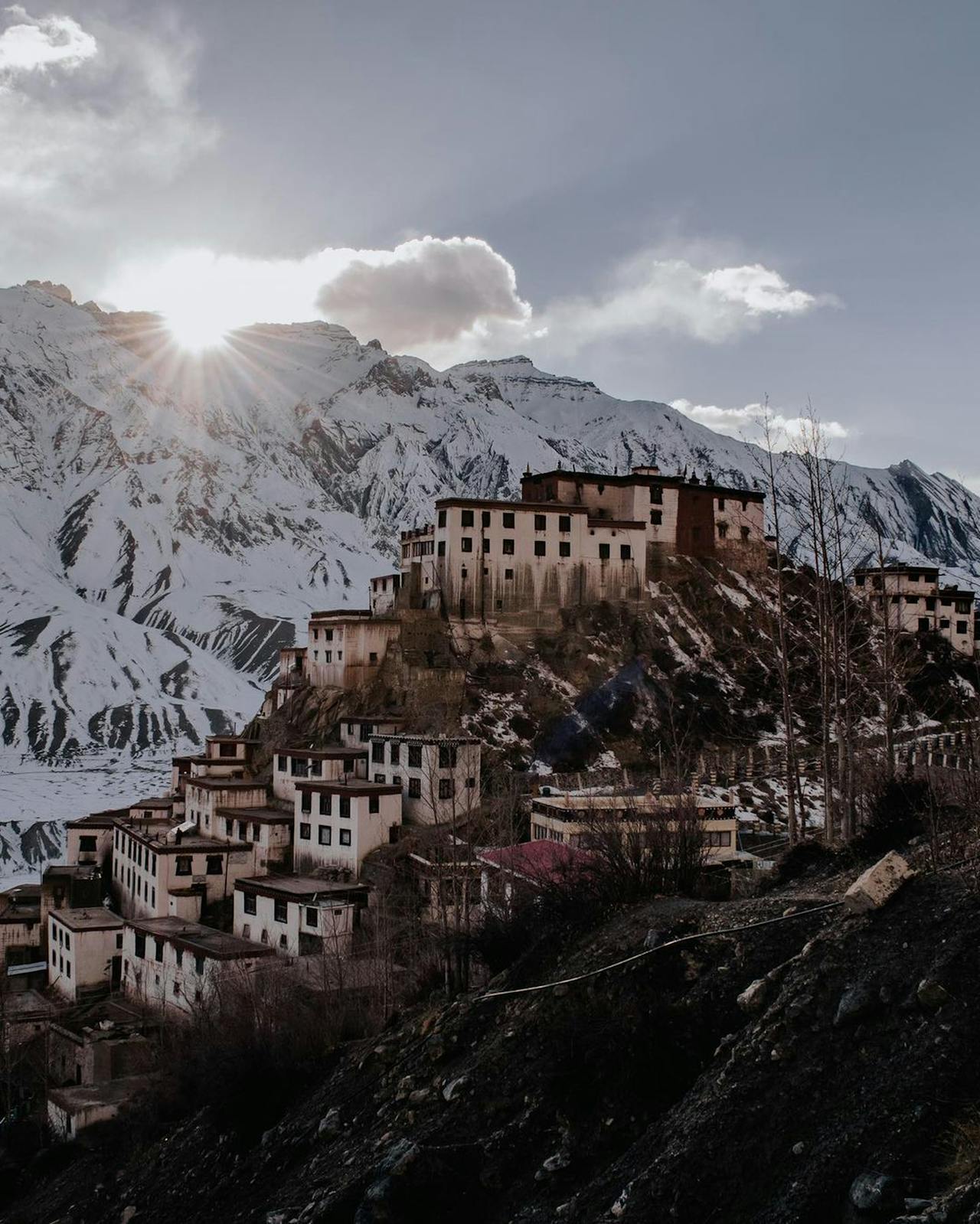
Key Monastery in Spiti Valley
Essential Information for Visiting Key Monastery
Location & Altitude
Located near Kibber village, around 12 km from Kaza
Approximate altitude: 4,166 meters (13,668 feet)
Overlooks the Spiti River valley with panoramic Himalayan views
Timings
Open daily from 6:00 AM to 6:00 PM
Early mornings and evenings coincide with prayer sessions and are the most peaceful times to visit
Entry Fee
No entry fee
Voluntary donations are appreciated and help support the monks and monastery maintenance
Also Read: Can We Stay in Key Monastery?
Best Time to Visit
May to October is ideal due to open roads and stable weather
June to September offers the best visibility and comfortable daytime temperatures
Winter access (November to April) is limited due to heavy snowfall
How to Reach
From Kaza, Key Monastery can be reached by taxi or private vehicle via Kibber road
The road is motorable during summer but narrow—slow driving is advised
Travelers coming from Manali or Shimla should reach Kaza first before heading to the monastery
Also Read: Kaza to Key Monastery
What to Expect During Your Visit
Active prayer halls with monks chanting and studying
Open courtyards where monks often debate Buddhist philosophy
Ancient wall paintings, statues, and religious artifacts
A calm, contemplative atmosphere that encourages slow exploration
Photography is generally allowed outdoors, but it’s best to ask permission before taking photos inside prayer halls.
Key Monastery is not just the most famous monastery in Spiti Valley—it is the region’s spiritual nerve center. Whether you’re visiting for history, architecture, or quiet reflection, this monastery offers an experience that feels both grounding and humbling, making it an essential stop in Lahaul Spiti.
2. Tabo Monastery – The Oldest Living Monastery in Spiti Valley
Often described as the spiritual heart of Spiti, Tabo Monastery feels profoundly different the moment you arrive. Founded in 996 AD, it is over 1,000 years old, making it one of the oldest continuously functioning Buddhist monasteries in the Himalayan region. Unlike hilltop gompas, Tabo sits quietly on the valley floor, blending into the mud-brick village around it—almost as if it’s meant to be discovered slowly, not announced.
What makes Tabo extraordinary is what it preserves. Inside its humble exterior lie ancient murals, stucco sculptures, and scriptures that have survived invasions, harsh winters, and centuries of isolation. The artwork here is so significant that Tabo is often called the “Ajanta of the Himalayas.” These paintings aren’t decorative—they are visual teachings of Buddhist philosophy, created to educate monks and villagers long before books were common.
Beyond the main complex, the meditation caves carved into the hills above Tabo add another layer of intrigue. Many monks still retreat to these caves for solitary meditation, continuing practices that have existed for centuries. Standing here, you don’t feel like a visitor—you feel like a witness to living history.
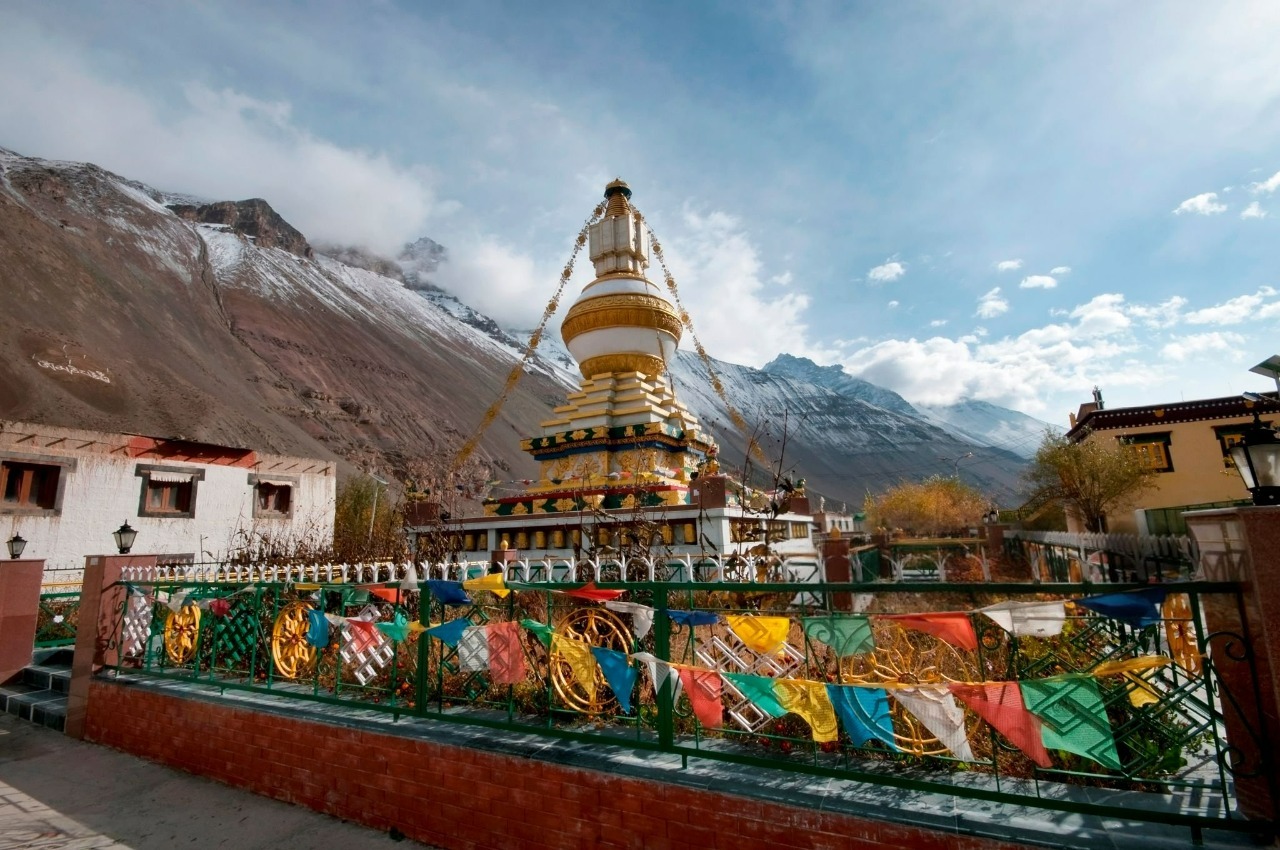
Tabo Monastery in Spiti Valley
Essential Visitor Information for Tabo Monastery
Location & Altitude
Located in Tabo village, eastern Spiti Valley
Approx. 48 km from Kaza
Altitude: around 3,280 meters (10,760 feet)
Easily accessible compared to high-altitude monasteries
Timings
Open daily from 8:00 AM to 6:00 PM
Morning hours are quieter and ideal for exploring prayer halls
Entry Fee
No entry fee
Small charges may apply for photography inside certain areas
Donations are encouraged
Best Time to Visit
May to October is the best season
Pleasant temperatures and open roads
Summer months often coincide with religious teachings and events
How to Reach
Reach Kaza, then drive toward Tabo via NH-505
Well-connected by road during the summer season
Can be visited comfortably as part of a Kaza–Tabo–Dhankar circuit
What Makes Tabo Monastery Special
Over nine temples and multiple stupas within the complex
Original wall paintings dating back centuries
Active monastic school and learning center
Deep sense of calm and timelessness
Photography inside inner temples is usually restricted—always ask before clicking.
If Key Monastery impresses with scale and drama, Tabo Monastery moves you with depth and quiet dignity. It doesn’t overwhelm—it absorbs. Visiting Tabo isn’t just about seeing one of the oldest monasteries in Spiti Valley; it’s about standing inside a space where faith, art, and discipline have flowed uninterrupted for over a millennium.
3. Dhankar Monastery – A Cliffside Marvel Above the Spiti River
Dramatically balanced on the edge of a cliff, Dhankar Monastery feels almost unreal when you see it for the first time. Overlooking the confluence of the Spiti and Pin Rivers, this monastery is not just a spiritual center—it is a powerful reminder of how faith, survival, and geography intertwine in Spiti Valley. The sheer drop below and the vast openness around it make Dhankar one of the most visually striking monasteries in the region.
Historically, Dhankar held immense importance. It once served as the capital of the Spiti Valley kingdom, and the monastery functioned both as a religious institution and a fort. Unlike the expansive layout of Key or the artistic richness of Tabo, Dhankar’s uniqueness lies in its precarious location and raw presence. Built using mud bricks and stone, the structure appears fragile, yet it has stood firm for centuries against earthquakes, erosion, and extreme weather.
Inside, Dhankar Monastery is intimate and austere. The prayer hall houses ancient statues of Buddha and protector deities, while the walls still bear traces of old murals. The atmosphere is quiet, almost solemn—amplified by the constant wind and the awareness of the vast drop outside. Visiting Dhankar feels less like sightseeing and more like standing at the edge of history.
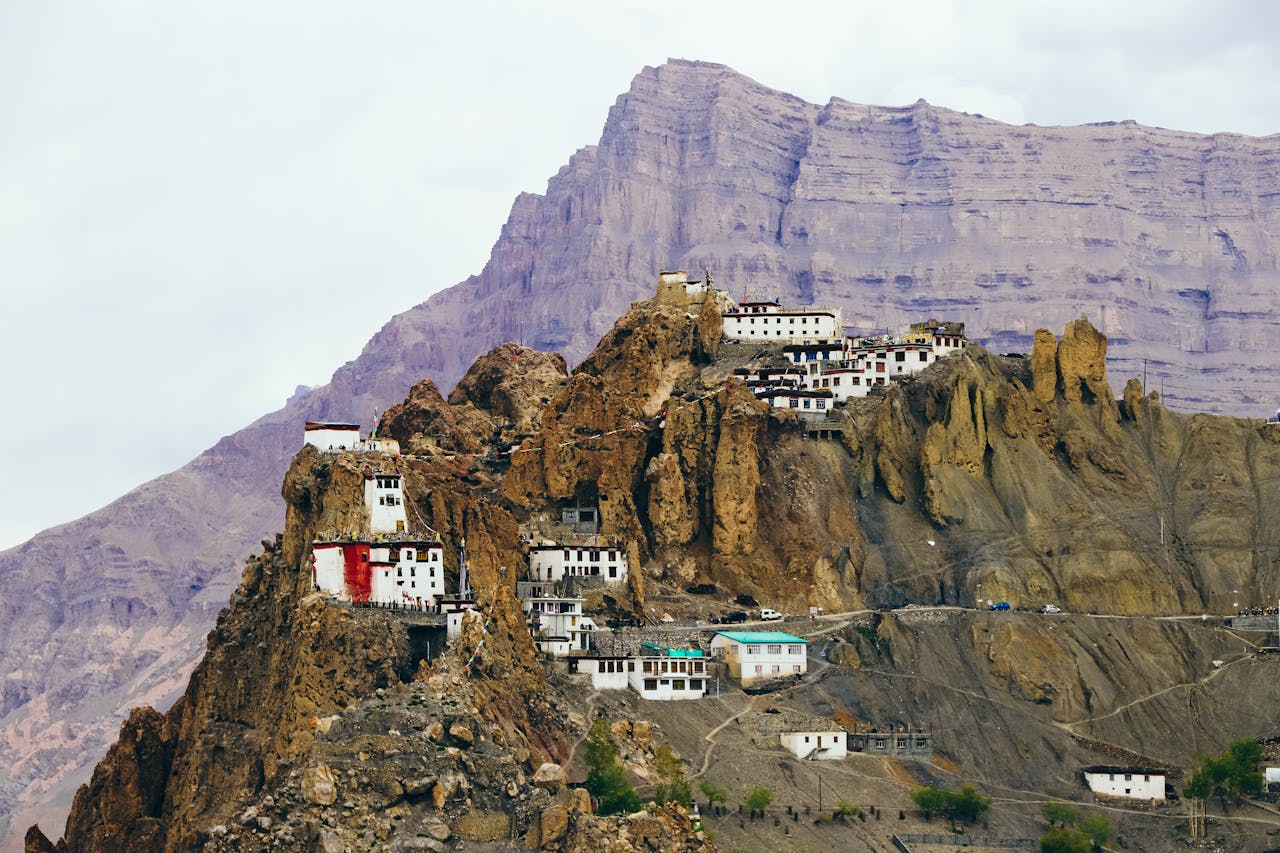
Dhankar Monastery in Spiti Valley
Essential Visitor Information for Dhankar Monastery
Location & Altitude
Located in Dhankar village, central Spiti Valley
Around 30 km from Kaza
Altitude: approximately 3,894 meters (12,774 feet)
Positioned high above the Spiti River valley
Timings
Open daily from 8:00 AM to 5:00 PM
Late mornings offer better light and slightly warmer temperatures
Entry Fee
Free entry
Donations are welcome
Best Time to Visit
May to October is ideal
Summer months provide safer access and clearer views
Avoid visiting during strong winds or bad weather
How to Reach
From Kaza, drive toward Tabo and take the Dhankar village diversion
The final stretch involves a steep uphill road
Parking is available near the village, followed by a short walk
What to Expect During Your Visit
Panoramic views of the Spiti–Pin river confluence
A compact prayer hall with ancient relics
Strong winds and dramatic silence
A deeply humbling experience due to the location
Visitors should move carefully, especially near edges, and be mindful of the fragile structure.
Dhankar Monastery is not about grandeur—it’s about perspective. Standing here, suspended between mountains and sky, you realize why monasteries in Spiti Valley were built in places that demand humility. It’s one of those rare places where the setting speaks as loudly as the prayers within.
4. Komic Monastery – Among the Highest Monasteries in the World
Visiting Komic Monastery feels like stepping into the thin air of another world—literally and spiritually. Located in one of the highest inhabited villages in Asia, this monastery sits quietly above vast stretches of barren mountains and open sky. At this altitude, even simple movements slow down, conversations soften, and silence becomes part of the experience.
Komic Monastery belongs to the Gelugpa sect of Tibetan Buddhism, the same order as Key Monastery, and serves as a spiritual center for the small villages scattered across this high plateau. Unlike larger monasteries, Komic is modest in size, but its setting gives it a profound presence. The sense of isolation here is intentional—monks and visitors alike come seeking clarity, meditation, and detachment from the physical world below.
What makes Komic especially intriguing is how seamlessly it blends into daily village life. Prayer flags flutter against stark mountain backdrops, yaks roam nearby, and the monastery remains open and accessible, reflecting the deep bond between the monks and the local community. Many travelers find Komic unexpectedly emotional—not because of grandeur, but because of its simplicity and stillness.
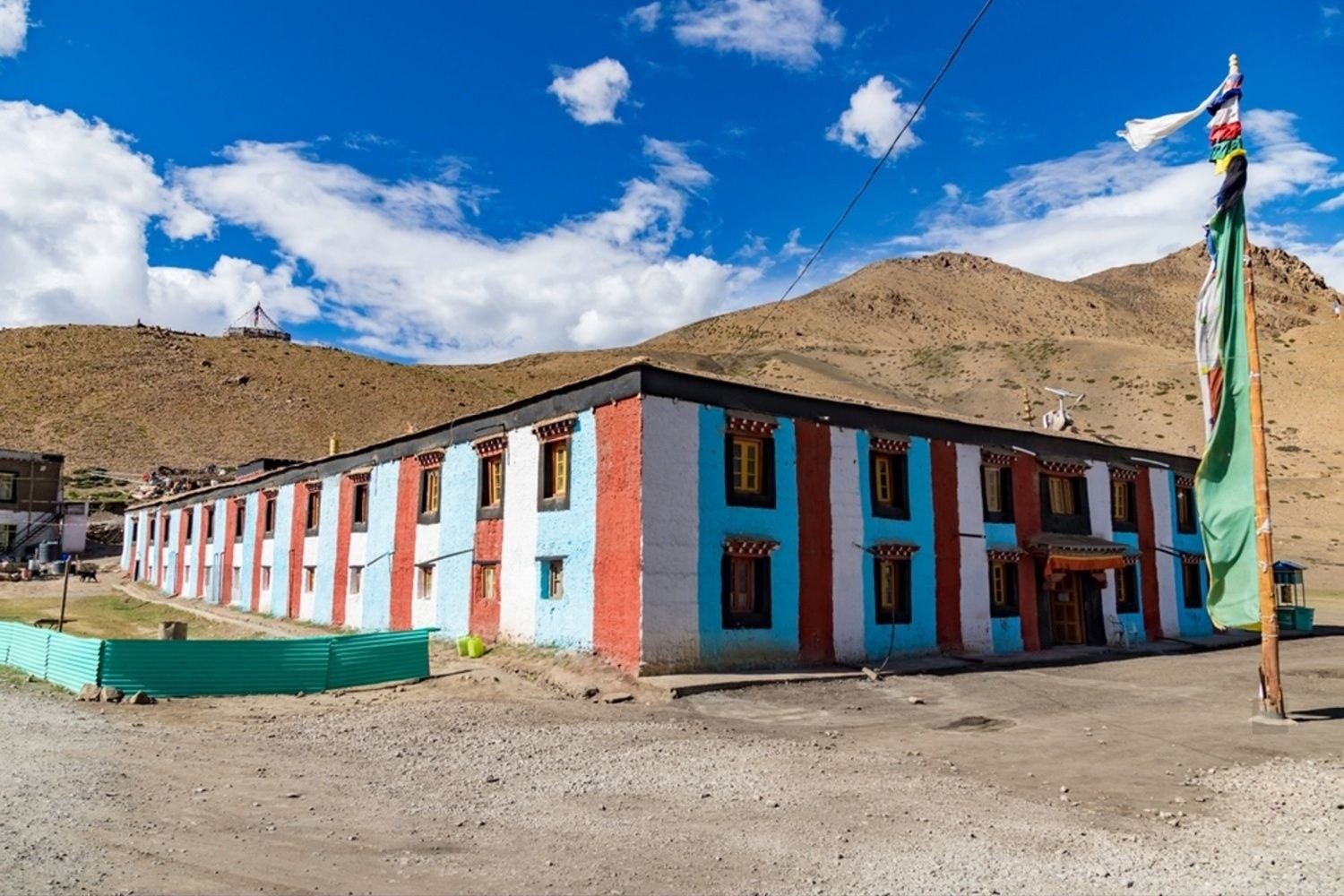
Komic Monastery in Spiti Valley
Essential Visitor Information for Komic Monastery
Location & Altitude
Located in Komic village, upper Spiti Valley
Around 18–20 km from Kaza
Altitude: approximately 4,587 meters (15,050 feet)
One of the highest monasteries in Spiti Valley
Timings
Generally open from 8:00 AM to 5:00 PM
Timings may vary slightly due to weather and prayer schedules
Entry Fee
No entry fee
Donations are welcome
Best Time to Visit
June to September is ideal
Weather is relatively stable and roads are accessible
Avoid rushing—altitude acclimatization is crucial
How to Reach
From Kaza, drive toward Langza–Hikkim–Komic circuit
Roads are motorable but rough in places
Best visited as part of a half-day circuit
What to Expect During Your Visit
A small, peaceful prayer hall
Expansive views of the Spiti plateau
Fewer tourists compared to major monasteries
Strong winds and cold temperatures even in summer
Carry warm layers and hydrate well—the altitude here is no joke.
Komic Monastery doesn’t overwhelm you—it quietens you. At nearly 4,600 meters, distractions fall away, and what remains is space, breath, and presence. Among all monasteries in Spiti Valley, Komic offers one of the most intimate encounters with solitude and high-altitude spirituality.
5. Lhalung Monastery – One of the Oldest and Most Peaceful Monasteries in Spiti
If you’re looking to experience a monastery in Spiti Valley away from crowds and common travel routes, Lhalung Monastery is where Spiti slows down completely. Often referred to as one of the oldest monasteries in Lahaul Spiti, Lhalung is believed to have been founded in the 10th century, making it even older than many of the more famous gompas in the region.
What immediately sets Lhalung apart is its quiet authenticity. Unlike hilltop monasteries that dominate the skyline, Lhalung Monastery sits gently within the village, almost blending into the rhythm of local life. There are no dramatic cliffs or vast courtyards here—just a sense of stillness that feels deeply personal. Locals consider it a sacred space of learning and reflection, and that reverence is palpable the moment you step inside.
Inside the monastery, you’ll find ancient wall paintings, clay sculptures, and traditional prayer halls that reflect early Tibetan Buddhist art styles. The interiors are dimly lit, which only adds to the sense of age and continuity. Time feels suspended here, making Lhalung especially meaningful for travelers who value depth over spectacle.
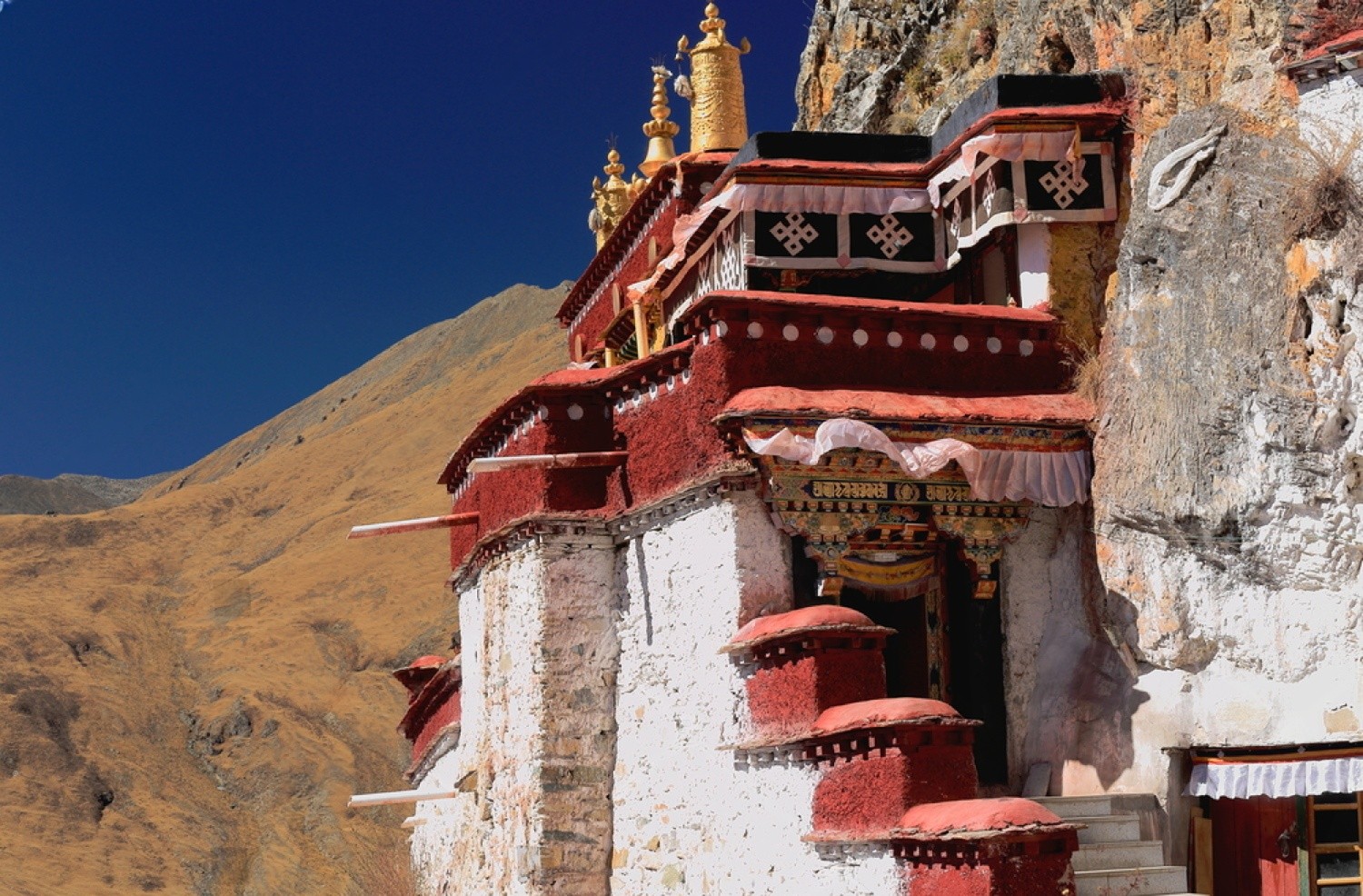
Lhalung Monastery in Spiti Valley
Essential Visitor Information for Lhalung Monastery
Location & Altitude
Located in Lhalung village, near Lingti Valley
Around 40 km from Kaza
Approximate altitude: 3,658 meters (12,000 feet)
Surrounded by agricultural fields and traditional Spitian homes
Timings
Generally open from 8:00 AM to 5:00 PM
Timings may vary depending on monastic activities
Entry Fee
Free entry
Donations are welcomed and appreciated
Best Time to Visit
May to September is ideal
Pleasant weather and accessible roads
Best visited during daylight hours due to remote location
How to Reach
From Kaza, travel toward Lingti Valley
Roads are motorable but less frequented
Hiring a local taxi is recommended
What to Expect During Your Visit
A calm, uncrowded monastery experience
Traditional interiors with early Buddhist art
Interaction with locals rather than tourists
A deep sense of peace and reflection
Lhalung Monastery may not be the most photographed monastery in Spiti Valley, but it is one of the most soulful. It offers a rare chance to see what monastic life looks like when it is deeply woven into everyday village existence. For travelers seeking quiet meaning rather than dramatic views, Lhalung leaves a gentle yet lasting impression.
6. Gue Monastery – Home to the Mysteriously Preserved Monk
Tucked away near the Indo-Tibetan border, Gue Monastery is unlike any other monastery in Spiti Valley. While it may not impress with scale or dramatic architecture, it draws visitors from around the world for a reason that is both rare and deeply intriguing—the presence of a naturally preserved mummy of a Buddhist monk, believed to be over 500 years old.
The monk, identified as Sangha Tenzin, is said to have mummified himself through an advanced meditative practice known as self-mummification or sokushinbutsu. What makes this extraordinary is that the body remains remarkably intact—skin, teeth, and hair still visible—without the use of chemicals or artificial preservation. Housed inside a small glass enclosure within the monastery complex, the mummy has become one of the most mysterious spiritual relics in the Himalayan region.
Despite the curiosity surrounding it, Gue Monastery is not a spectacle. The atmosphere here remains solemn and respectful. Locals regard the monk not as an object of fascination, but as a symbol of spiritual discipline and enlightenment. The quiet surroundings of Gue village, combined with the weight of this history, make the visit both unsettling and thought-provoking in the best possible way.
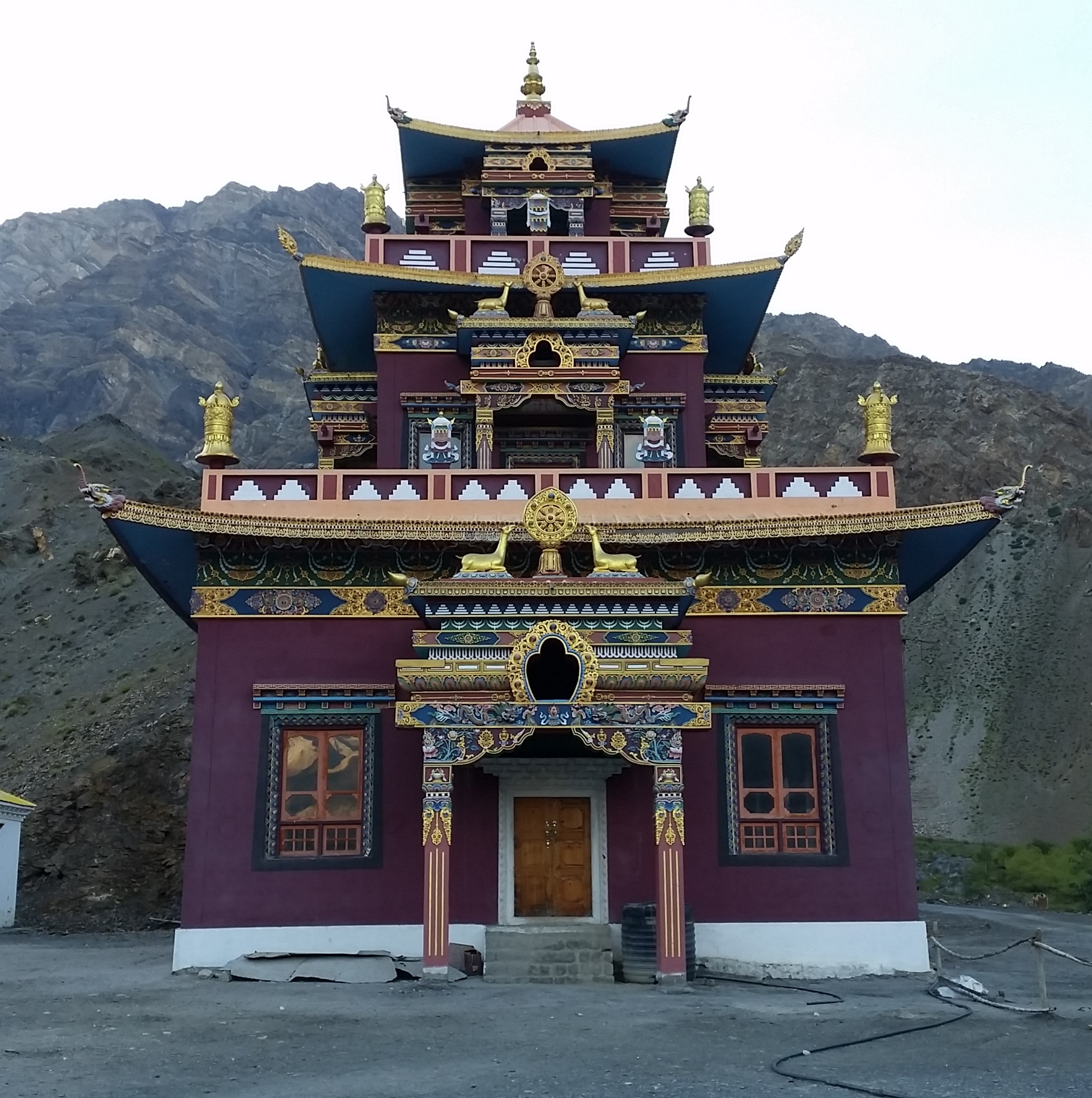
Gue Village Monastery in Spiti Valley
Essential Visitor Information for Gue Monastery
Location & Altitude
Located in Gue village, near the Indo-Tibetan border
Approximately 25 km from Tabo and 55 km from Kaza
Altitude: around 3,000 meters (9,800 feet)
Close to the Himachal Pradesh–Tibet frontier
Timings
Open daily from 8:00 AM to 5:00 PM
Visiting during daylight hours is recommended
Entry Fee
Free entry
A small donation is encouraged for maintenance
Best Time to Visit
May to October is ideal
Roads are accessible and weather is manageable
Winters are extremely cold and access may be restricted
How to Reach
From Tabo, take the diversion toward Gue village
Roads are motorable but narrow and less frequented
Best visited as part of a Tabo–Gue side trip
What to Expect During Your Visit
A small monastery complex
The preserved mummy housed in a glass chamber
A deeply quiet and contemplative environment
Limited facilities—carry essentials
Photography inside the chamber is usually discouraged; respect local guidelines.
Among all monasteries in Spiti Valley, Gue Monastery challenges your understanding of devotion and spiritual endurance. It’s not about grandeur or views—it’s about confronting the lengths to which faith and discipline can go. Many travelers leave Gue silent, reflective, and deeply moved, carrying questions rather than answers.
Experiencing the Monasteries of Spiti Valley as a Whole
Together, these monasteries—Key, Tabo, Dhankar, Komic, Lhalung, and Gue—form the spiritual framework of Spiti Valley. Each offers a different perspective: power, age, fragility, altitude, silence, and mystery. Visiting them isn’t about ticking places off a list; it’s about understanding Spiti through the spaces that have shaped its people and beliefs for centuries.
If there’s one takeaway, it’s this: you don’t just visit monasteries in Spiti Valley—you experience them.
How Many Monasteries Are There in Spiti Valley?
Spiti Valley is home to around 10 to 12 Buddhist monasteries, depending on how broadly one defines active monastic sites. Some are large and well-known centers of learning, while others are small village gompas that quietly serve local communities. Together, they form a tightly connected spiritual network spread across one of the most remote regions of the Indian Himalayas.
Among these, 6 monasteries are considered the most significant from a historical, cultural, and travel perspective—including Key, Tabo, Dhankar, Komic, Lhalung, and Gue. These monasteries stand out because of their age (some over 1,000 years old), unique locations, continued monastic life, and accessibility for travelers. Most visitors focus on these as they collectively represent the essence of a monastery in Spiti Valley.
The remaining monasteries are smaller and often located in remote villages, sometimes accessible only by rough roads or on foot. While they may not appear in standard travel itineraries, they are equally important to local life. Many function as community prayer spaces, especially during festivals, seasonal rituals, and important life events. This is why locals often refer to Spiti not as a place with a few monasteries, but as a valley shaped by monastic culture.
What’s important to understand is that monasteries in Spiti Valley are not isolated monuments. They are part of an active religious ecosystem connected to Tibetan Buddhism, with monks moving between monasteries for education, debates, and teachings. Even the smallest monastery in Lahaul Spiti plays a role in preserving traditions that have survived centuries of isolation and extreme living conditions.
For travelers, this means that no matter where you go in Spiti, you are never too far from a monastery—and each one, big or small, adds another layer to understanding the valley’s spiritual depth.
| Monastery Name | Village / Area | Distance from Kaza | Region |
|---|---|---|---|
| Key Monastery | Near Kibber | ~12 km | Central Spiti |
| Tabo Monastery | Tabo Village | ~48 km | Eastern Spiti |
| Dhankar Monastery | Dhankar Village | ~30 km | Central Spiti |
| Komic Monastery | Komic Village | ~18–20 km | Upper Spiti |
| Lhalung Monastery | Lhalung Village (Lingti Valley) | ~40 km | Central Spiti |
| Gue Monastery | Gue Village | ~55 km | Near Indo-Tibetan Border |
| Tangyud Monastery | Komic Village | ~20 km | Upper Spiti |
| Sagnam Monastery | Sagnam Village | ~40 km | Pin Valley Region |
| Kungri Monastery | Kungri Village | ~35 km | Pin Valley |
| Mane Monastery | Mane Village | ~26 km | Central Spiti |