
Spiti Valley in February – Weather, Temperature, Road Status & Travel Guide
Spiti in February is one of the most searched yet most misunderstood winter travel topics. People usually ask the same questions: Is Spiti Valley open in February? Can we actually visit? How cold does it get? Is it safe?
The honest answer is — yes, Spiti Valley is open in February, but it is not an easy or casual trip.
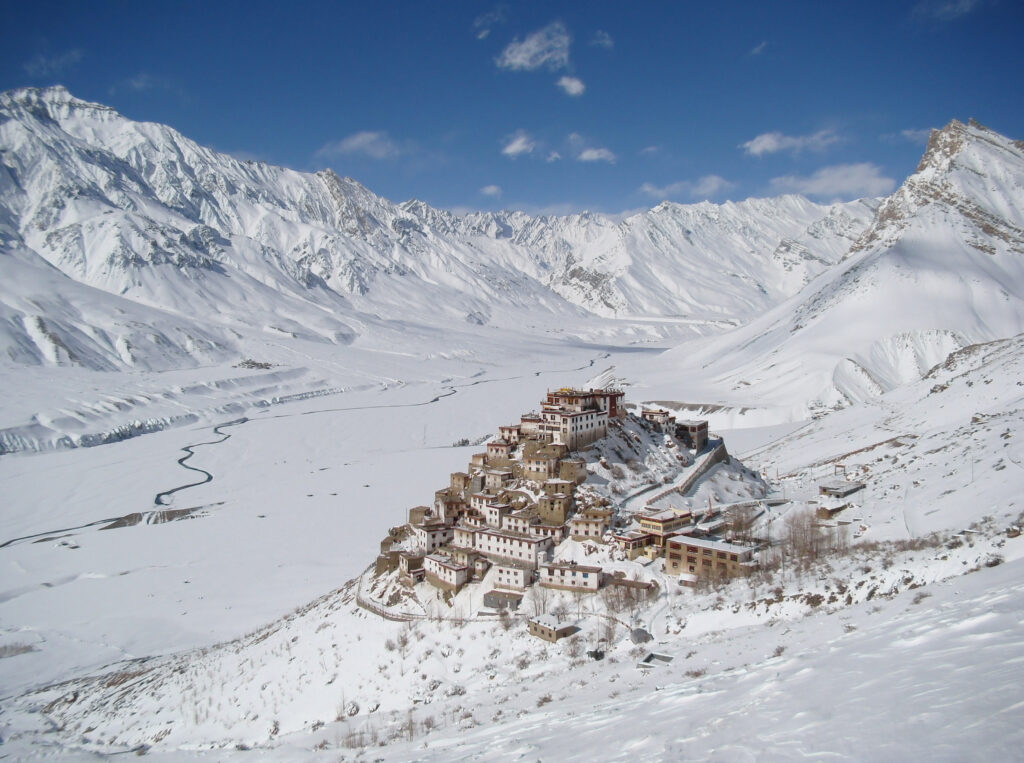
February is peak winter in Spiti Valley. Snow blankets the mountains, temperatures stay well below freezing, and daily life slows down significantly. Tourism infrastructure is minimal, roads may close temporarily after snowfall, and facilities remain basic. At the same time, February also offers something extremely rare — a silent, snow-covered Spiti that very few travellers ever get to see.
If you’re planning Spiti Valley in February, it’s important to set the right expectations. This is not the month for sightseeing-heavy itineraries or comfort travel. Instead, it’s for travellers who want to experience extreme winter, isolation, and raw Himalayan beauty. Travel is possible only via the Shimla route, accommodation options are limited to winter-friendly homestays, and plans must remain flexible.
In this guide, you’ll get clear, experience-backed answers about:
Is Spiti Valley open in February?
Can we visit Spiti Valley in February safely?
Spiti Valley temperature in February
Actual weather conditions and snowfall
Road access, travel limitations, and ground reality
Can We Visit Spiti Valley in February
Visiting Spiti Valley in February is possible, but it comes with clear limitations that travellers need to understand before planning the trip. February falls right in the middle of peak winter, which means access, mobility, and comfort are very different from what you experience during the summer months.
Spiti does not completely shut down in February, but it also does not function like a regular tourist destination.
Is Spiti Valley Open in February?
Spiti Valley remains accessible in February only via the Shimla–Kinnaur route. This route stays operational most winters because it avoids high mountain passes. However, temporary road closures are common after fresh snowfall, and travel schedules often depend on weather clearance.
The Manali side remains completely closed during February due to heavy snow accumulation at Rohtang and Kunzum Pass. This means all winter travel to Spiti is routed through Shimla.
Once inside the valley, places like Tabo and Kaza are usually reachable, while access to higher villages depends entirely on snow conditions.
Can We Visit Spiti Valley in February?
February travel in Spiti is suitable only for a specific type of traveller. Conditions are harsh, facilities are minimal, and daily movement is limited by cold and daylight hours.
Travellers who adapt well to winter conditions, have prior mountain experience, and are comfortable with basic accommodation usually find February manageable. Those expecting sightseeing-heavy itineraries, comfortable hotels, or frequent road travel may struggle.
Rather than moving daily, February travel typically involves staying in one place longer and adjusting plans around weather conditions.
What a February Trip to Spiti Actually Feels Like
Life in Spiti during February moves at a slow, deliberate pace. Days are short, mornings start late, and most activity happens only during daylight hours. Night temperatures drop sharply, often well below freezing, and locals spend much of the time indoors to conserve warmth.
Shops open for limited hours, cafés are mostly closed, and evenings are quiet. Electricity and water availability can fluctuate depending on weather conditions.
In exchange, February offers a version of Spiti that feels untouched — snow-covered monasteries, silent valleys, and clear winter skies that make the landscape feel vast and isolated.
A Realistic Expectation for February Travel
Spiti in February requires flexibility and preparation. Travel plans may change at short notice, comfort is basic, and patience is essential. For those prepared for these conditions, February offers an experience that feels deeply raw and personal. For others, visiting later in the year may be a better choice.
Spiti Valley Weather in February – Temperature, Snowfall & Conditions
February represents the deepest phase of winter in Spiti Valley. The region remains locked in snow, temperatures stay consistently below freezing, and daily life revolves around surviving the cold rather than moving around freely. Understanding the Spiti Valley weather in February is essential, because conditions during this month are very different from what most travellers expect from a Himalayan trip.
Winter here is dry, extreme, and relentless — yet visually stunning.
Spiti Valley Temperature in February (Day & Night)
The Spiti Valley temperature in February is among the lowest recorded throughout the year. Even compared to January, the cold remains severe, though daylight hours slowly begin to increase toward the end of the month.
Daytime temperature: –5°C to 2°C
Night temperature: –15°C to –25°C
Higher villages: Often colder than Kaza and Tabo
Wind chill: Makes the cold feel significantly harsher
On sunny afternoons, the temperature may briefly touch zero, especially in lower areas like Tabo. However, the moment sunlight fades, the cold intensifies rapidly. Nights are long, quiet, and extremely cold, with frost forming on windows, doors, and roads.
This sustained cold is what makes February travel in Spiti physically demanding.
Spiti Temperature in February – Snowfall, Ice & Ground Reality
Snowfall is a regular occurrence in February and plays a major role in shaping daily conditions.
Typical winter conditions include:
Frequent snowfall events
Thick snow accumulation on rooftops and open land
Frozen water pipes and storage tanks
Black ice on shaded road sections
Snow-covered internal roads
Fresh snowfall often leads to temporary road closures, even on the Shimla route. Snow-clearing operations usually resume once weather stabilizes, but delays of one or two days are common.
Rivers and streams appear partially frozen, and smaller water sources remain fully iced over. These conditions contribute to the stark, frozen beauty Spiti is known for in February.
Spiti Valley Weather in February – What It Feels Like Daily
The Spiti Valley weather in February feels harsher than the numbers suggest due to altitude, dryness, and wind exposure.
Daily life in February typically feels like this:
Air is extremely dry, causing cracked lips and skin
Breath turns visible immediately outdoors
Phone batteries drain faster
Water freezes overnight
Movement outside feels physically demanding
Sunlight is warm but short-lived
Most activity happens between late morning and early afternoon. Evenings begin early, and locals retreat indoors to stay warm. Heating is usually limited to one room, and night-time temperatures make stepping outside uncomfortable.
Despite the cold, February offers exceptional visibility. After snowfall, the skies often turn deep blue, mountains appear sharply defined, and the entire valley feels incredibly still.
How February Weather Compares to January
While both months are harsh, February shows subtle changes:
Slightly longer daylight hours
Marginally improved road-clearing frequency
Similar temperature range, especially at night
Continued heavy snowfall risk
From a traveller’s perspective, February still feels like peak winter, with no significant easing of conditions. Any perception of “warmer” weather is minimal and should not be relied upon for comfort.
Also read: Is Spiti Valley Open in January?
What This Weather Means for Travellers
The weather in Spiti Valley in February directly affects:
Mobility: Limited, weather-dependent
Comfort: Basic and minimal
Accommodation: Simple, winter-adapted homestays
Planning: Flexible, with buffer days
February is not about covering distances or ticking off attractions. It’s about staying warm, adjusting to conditions, and experiencing the landscape slowly.
Essential Tips for Visiting Spiti in February
Travel in February demands preparation, patience, and realism. These tips focus on what actually matters on the ground, not generic winter advice, and are especially important if you’re planning Spiti in February.
Pack for extreme cold, not regular winter: Temperatures can stay well below freezing all day. A heavy down jacket, multiple thermal layers, insulated gloves, woollen socks, balaclava, and proper snow boots are essential.
Carry a sub-zero sleeping bag: Heating in homestays is usually limited to evenings. A good sleeping bag can make nights far more manageable.
Plan fewer places, not more: February travel works best when you stay longer in one place instead of moving daily. Weather can change quickly, and road closures are common after snowfall.
Keep buffer days in your itinerary: Always add at least one or two extra days. Snow clearance and weather conditions may delay travel without warning.
Protect electronics from the cold: Phone batteries drain rapidly. Carry power banks and keep devices close to your body when outdoors.
Avoid early morning and night travel: Black ice forms on shaded roads. Daylight travel between late morning and early afternoon is safest.
Carry enough cash: ATMs and digital payments may not work consistently due to power or network issues.
Stay hydrated and eat warm food: Cold air dehydrates the body quickly. Drink warm water and don’t skip meals.
Listen to locals: Road conditions, weather patterns, and safety decisions should always be based on local advice, not assumptions.
Accept basic facilities: Bucket baths, limited electricity, and simple food are part of February travel in Spiti. Comfort is minimal by design.
Avoid high-altitude villages unless confirmed open: Places like Hikkim, Komic, and Langza may remain inaccessible depending on snow conditions.
Places You Can Visit in Spiti Valley in February
Travel in February is limited, so the focus is on places that usually remain accessible via the Shimla route. Instead of rushing, February is about staying put, observing winter life, and experiencing Spiti slowly. Here’s where you can realistically go—and what you can do there during peak winter.
Kaza
Kaza functions as the winter base of Spiti in February. Most open homestays, basic shops, and limited connectivity are found here.
Things to do in February:
Spend time acclimatizing, take short walks around the town during daylight, visit nearby monasteries if roads are clear, interact with locals, and experience daily winter life in Spiti without rushing.Tabo Monastery
Tabo is one of the most reliable places to visit in February due to its lower altitude and relatively stable access. The monastery remains open and quiet during winter.
Things to do in February:
Visit the monastery and prayer halls, explore the snow-covered cave complexes nearby, take slow walks around the village, and enjoy the calm, spiritual atmosphere that winter brings.Dhankar Monastery (Weather-dependent)
Dhankar’s access depends on recent snowfall, but when open, it offers one of the most dramatic winter views in Spiti.
Things to do in February:
Visit the monastery, spend time at the viewpoint overlooking the frozen river confluence, and experience the stark beauty of Spiti’s winter landscape. Avoid long hikes in deep snow.Nako
Nako often remains accessible in February as it lies on the lower Spiti route. The village feels especially isolated and peaceful in winter.
Things to do in February:
Walk around the frozen lake, explore the quiet village lanes, observe winter routines of locals, and use Nako as a slow stopover while entering or exiting Spiti.Kibber (Conditional)
If roads are cleared, Kibber may be reachable, though conditions are extremely cold.
Things to do in February:
Short village walks, winter photography, and observing life in one of the highest inhabited villages—only if local conditions allow safe access.
Important note:
High-altitude villages like Hikkim, Komic, Langza, and Chicham are often inaccessible in February due to heavy snow. Even if roads open briefly, travel should only be done after confirming locally.
In February, what you do matters less than how you experience it. Slow walks, quiet observation, monastery visits, and simply adapting to winter rhythms define a Spiti Valley trip during this month.
Also Read: Reasons To Visit Spiti Valley
Should You Visit Spiti in February?
Yes, Spiti Valley is open in February, and it is possible to visit — but only for travellers prepared for extreme winter conditions.
February is peak winter in Spiti. Temperatures remain well below freezing, road access is limited to the Shimla route, and daily life operates with minimal facilities. Travel during this month is slow, weather-dependent, and requires flexibility, patience, and proper winter preparation.
Spiti in February is best suited for experienced travellers who are comfortable with cold, basic accommodation, and limited mobility. It is not recommended for first-time mountain travellers, families with children, or those expecting comfortable sightseeing conditions.
For those who are prepared, February offers a rare experience — snow-covered monasteries, complete silence, clear winter skies, and an untouched version of Spiti Valley that very few people ever see. For others, visiting between late May and September provides a far more accessible and comfortable experience.