
Spiti in January – Weather, Temperature, Road Status & Travel Guide 2026
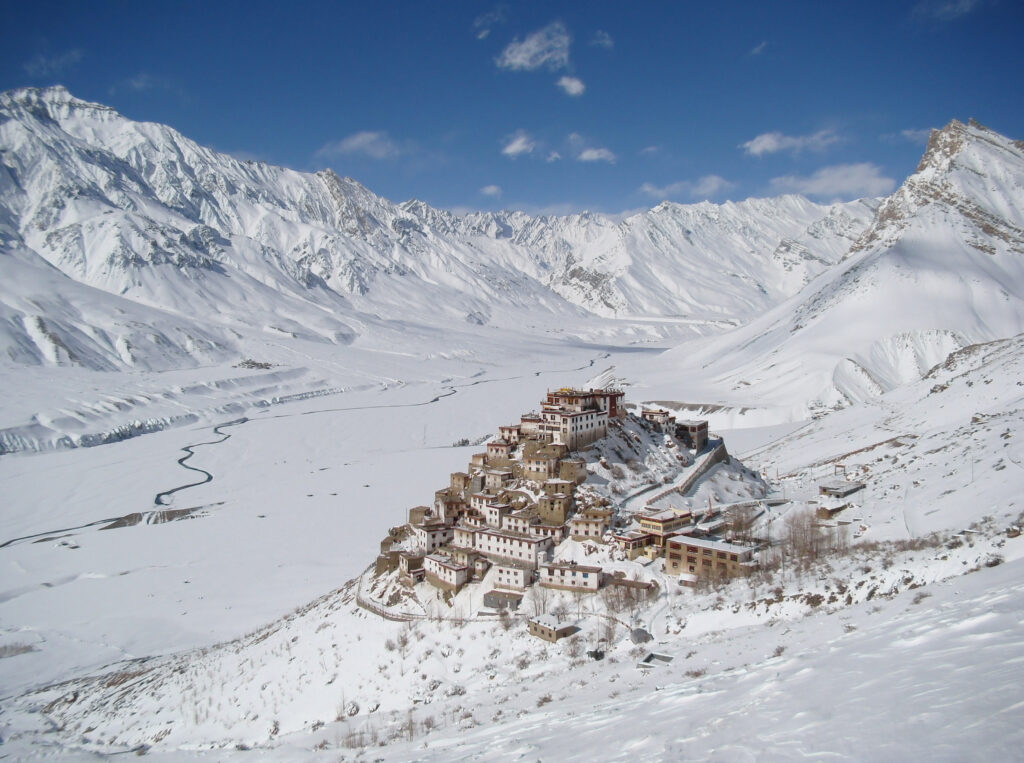
Spiti in January is not a regular travel destination — it’s an extreme winter experience meant only for well-prepared and experienced travellers. January is the coldest month in Spiti Valley, when the region turns into a frozen desert with snow-covered villages, blocked mountain passes, and sub-zero temperatures that test both physical and mental endurance.
If you’re asking “Is Spiti Valley open in January?” or “Can we go to Spiti in January?”, the answer is yes — but with strict limitations. Travel is possible only through the Shimla route, facilities are minimal, and life in the valley slows down to survival mode. This is not sightseeing season; it’s winter isolation season.
In January 2026, Spiti remains one of the most remote winter destinations in India. The Manali route stays completely closed due to heavy snow at Rohtang and Kunzum Pass, while internal village roads may open or close depending on fresh snowfall. Temperatures often drop below –20°C, water pipes freeze, electricity can be inconsistent, and accommodation options are limited to basic homestays with traditional heating.
This guide will help you understand Spiti Valley in January realistically — covering weather conditions, temperature, snowfall, road status, accessibility, places you can still visit, and whether a Spiti Valley trip in January 2026 is the right choice for you.
Spiti Valley in January – Can You Visit During Peak Winter?
Yes, you can visit Spiti Valley in January 2026, but it’s important to understand what “visiting” really means in peak winter. January is the harshest month of the year in Spiti. Tourism as most people know it doesn’t exist—what remains is survival travel, deep winter isolation, and a raw Himalayan experience meant only for those who are prepared.
In January, Spiti is quiet, snowbound, and largely cut off. Villages function on limited resources, locals stay indoors for most of the day, and travel plans depend heavily on weather conditions. If your idea of a trip involves sightseeing, cafés, and easy mobility, January is not the right time. If your goal is to experience extreme winter, silence, snow, and untouched landscapes, then January offers something very few places in India can.
Let’s break this down clearly.
Is Spiti Valley Open in January? Current Road & Route Status
Spiti Valley is partially open in January.
Shimla → Kinnaur → Spiti route:
This is the only open route in January. It usually remains operational unless there is heavy, continuous snowfall. Snow clearance is done, but delays and temporary road closures are common.Manali → Spiti route:
Completely closed. Rohtang Pass and Kunzum Pass remain buried under snow. Even with the Atal Tunnel open till Lahaul, the road beyond Batal toward Spiti stays inaccessible throughout January.Internal roads in Spiti:
Roads to Tabo, Kaza, and Dhankar usually remain open most of the time.
Access to high-altitude villages like Hikkim, Komic, Langza, and Chicham depends entirely on snowfall and may be closed for weeks.
So if you’re wondering “Is Spiti open in January?” — the answer is yes, but only via the Shimla route and with limited internal mobility.
Can You Actually Travel to Spiti in January? Who Should & Who Shouldn’t
A Spiti Valley trip in January is not for everyone. This is where being honest with yourself matters.
You should consider January only if:
You have prior winter or high-altitude travel experience
You’re mentally prepared for extreme cold and isolation
You’re comfortable with basic facilities and limited food options
You’re flexible with plans and can handle delays
You’re travelling for experience, not convenience
You should avoid January if:
This is your first mountain trip
You’re travelling with children or elderly family members
You have asthma, heart, or respiratory issues
You expect comfortable hotels, hot water, or road trips every day
You’re short on time and cannot afford weather-related delays
January in Spiti is about adapting to conditions, not controlling them. Power cuts, frozen pipes, delayed travel, and sudden snowfall are part of daily life.
What January Travel in Spiti Really Means
In practical terms, visiting Spiti Valley in January means:
Very limited accommodation choices
Reliance on homestays with traditional heating (bukhari)
Bucket hot water, if available
Short daylight hours
Extremely cold nights
Minimal tourist movement
Heavy dependence on local advice
But it also means:
Snow-covered monasteries without crowds
Absolute silence in the valley
Clear, dramatic winter skies
A rare chance to see Spiti in its most untouched form
Also Read: 12 Reasons to visit Spiti Valley
Spiti Valley Weather in January – What Winter Is Really Like
January is the coldest and most unforgiving month in Spiti Valley. This is when winter is at its peak and the region fully lives up to its reputation as a high-altitude cold desert. Understanding the Spiti Valley weather in January is critical before you even think about planning a trip, because this is not mild winter weather—it’s extreme Himalayan winter.
Snow, ice, freezing winds, and long nights define daily life in Spiti during January. The beauty is surreal, but the conditions demand respect.
Spiti Valley Temperature in January
The temperature in Spiti Valley in January drops to its lowest levels of the year. Even by Himalayan standards, the cold here is intense.
Day temperature: –5°C to 0°C
Night temperature: –15°C to –25°C
Wind chill: Makes it feel even colder
Coldest areas: Kaza, higher villages, open valleys
During sunny afternoons, the temperature may briefly touch zero, but the moment the sun disappears, the cold becomes sharp and biting. Nights are brutally cold, and staying warm indoors becomes the main priority.
This is why January travel in Spiti requires proper winter gear, thermal layers, and mental preparedness.
Snowfall, Frozen Rivers & Ground Reality of January Weather
Snowfall is frequent in January and plays a major role in shaping travel conditions.
What you’ll realistically experience:
Regular snowfall events
Thick snow accumulation on rooftops and roads
Frozen streams and partially frozen rivers
Black ice on shaded road sections
Snow-clearing operations that may take time
Fresh snowfall can temporarily block roads, even on the Shimla route. Travel plans often need to be flexible, and sometimes staying put for a day or two is unavoidable.
Despite these challenges, January snow transforms Spiti into a breathtaking white landscape—monasteries buried in snow, silent villages, and mountains glowing under winter sunlight.
What Spiti Weather in January Feels Like on a Daily Basis
The Spiti weather in January feels harsher than numbers suggest due to altitude, dryness, and wind exposure.
Daily life in January typically feels like this:
Your breath turns into fog instantly outdoors
Phone batteries drain quickly
Water freezes in pipes overnight
Lips and skin crack due to dry air
Sunlight feels warm but disappears early
Even short walks feel physically demanding
Locals adjust their routines around daylight. Mornings start late, evenings end early, and most activity happens during the few warmer hours of the day.
January is also one of the clearest months in terms of visibility. When skies are clear after snowfall, Spiti offers deep blue skies, sharp mountain outlines, and dramatic winter light, making it a dream for winter photographers.
Also Read: Spiti In February
How to Reach Spiti in January – Open Routes & Travel Restrictions
Reaching Spiti in January is possible, but only through one specific route and with realistic expectations. Winter completely shuts down high mountain passes, leaving Spiti accessible through a single lifeline that connects it to the rest of Himachal Pradesh. If you’re planning Spiti in January 2026, understanding route availability is absolutely essential.
Shimla to Spiti Route (Only Possible Route in January)
The Shimla–Kinnaur–Spiti route is the only way to reach Spiti Valley in January. Since it does not involve crossing high-altitude passes, this route remains open most of the winter, barring heavy snowfall days.
Route:
Shimla → Narkanda → Rampur → Reckong Peo → Pooh → Nako → Tabo → Kaza
Distance: ~430–450 km
Estimated travel time in January: 2 to 3 days
While the distance may look manageable, winter road conditions significantly slow down travel. Snow-covered sections, icy patches, and narrow mountain roads mean you cannot rush this journey.
What to expect on this route in January:
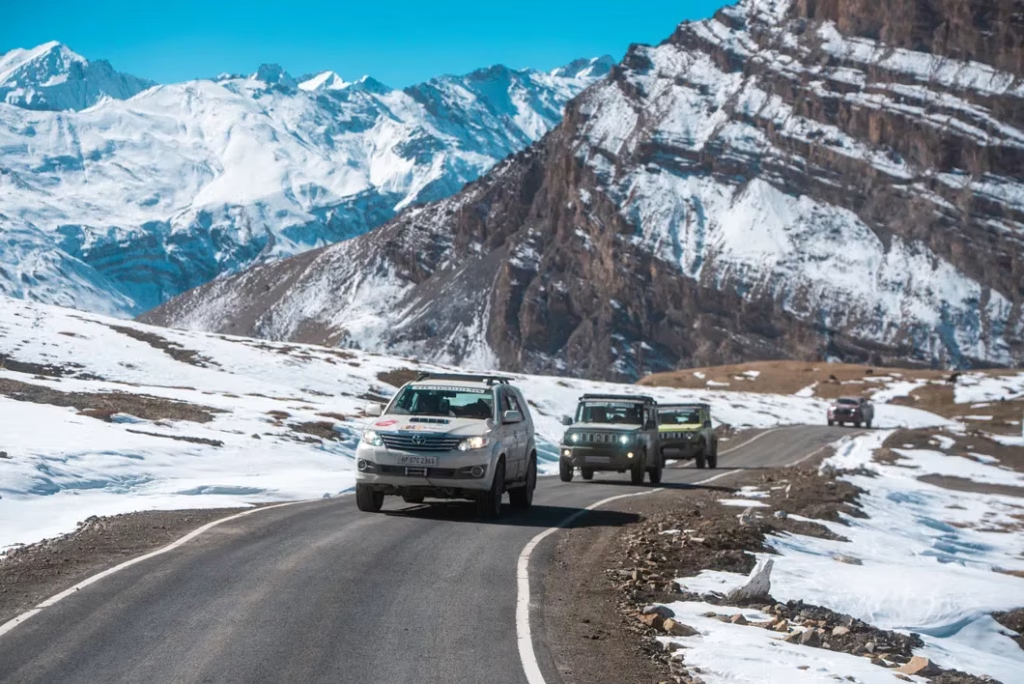
Roads generally remain open but may close temporarily after fresh snowfall
Snow clearance can take several hours or even a full day
Icy stretches, especially near Malling Nallah and shaded curves
Driving is safe only during daylight hours
Most travellers break the journey like this:
Day 1: Shimla → Reckong Peo / Kalpa
Day 2: Reckong Peo → Tabo / Kaza
This also helps with altitude acclimatization and reduces travel fatigue.
Manali to Spiti Route (Completely Closed in January)
The Manali route is fully closed throughout January and should not be considered under any circumstances.
Route:
Manali → Atal Tunnel → Batal → Kunzum Pass → Losar → Kaza
Distance: ~200 km
Estimated travel time (summer only): 8–10 hours
January status: ❌ Closed
Despite the Atal Tunnel being operational, the road beyond Batal towards Kunzum Pass remains buried under deep snow. Kunzum Pass does not open until late May or June, making this route inaccessible in January.
Local Transport, Road Conditions & Vehicle Requirements
Local transport availability in January:
HRTC buses may run occasionally but are unreliable after snowfall
Shared taxis are rare during peak winter
Pre-booked private taxis from Shimla or Reckong Peo are the safest option
Vehicle requirements:
High ground clearance vehicle is essential
4×4 is recommended, especially after snowfall
Snow chains may be required on certain days
Important driving tips:
Avoid driving before 10 AM and after 4 PM
Always check local road updates daily
Keep buffer days for unexpected delays
Spiti Valley Trip in January – What to Expect as a Traveller
A Spiti Valley trip in January is not a holiday in the traditional sense — it’s an extreme winter journey where conditions dictate every decision. January strips Spiti down to its rawest form: snowbound villages, silent monasteries, frozen landscapes, and a lifestyle built purely around surviving the cold.
If you’re planning Spiti in January 2026, here’s what you should realistically expect as a traveller.
Extreme Cold & Basic Living Conditions
January is the coldest month in Spiti. Nights often drop below –20°C, and even daytime temperatures struggle to rise above freezing. Most homes and homestays rely on traditional bukhari heaters, and heating is limited to common areas or evenings.
Hot water is not available through geysers; instead, bucket water may be provided when possible. Bathrooms are often cold, and water pipes freeze regularly. Comfort is minimal, and you must adapt to local winter routines.
Slow, Isolated & Silent Atmosphere
Spiti in January feels almost deserted. Tourist movement is minimal, locals stay indoors for warmth, and daily life slows dramatically. Markets operate on limited hours, cafés shut down, and evenings become quiet very early.
For some travellers, this isolation feels challenging. For others, it’s the most powerful part of the experience — snow-covered monasteries, empty roads, and complete silence broken only by wind.
Pros of Visiting Spiti in January
Incredible snow-covered landscapes
No tourist crowds at all
Unique winter photography opportunities
Deep sense of solitude and isolation
Clear skies after snowfall
Cons & Challenges of January Travel
Extremely low temperatures
Limited accommodation options
Frequent power cuts
Frozen pipes and basic sanitation
Road closures after snowfall
Restricted movement to high-altitude villages
Accommodation, Food & Facilities in January
Only a handful of homestays and guesthouses remain open in winter, mainly in Kaza, Tabo, and a few nearby villages. Expect simple rooms, warm blankets, and home-cooked food.
Food options are limited but filling:
Rice, dal, sabzi
Rajma, noodles
Thukpa and soup
Butter tea
Do not expect cafés, bakeries, or restaurant variety in January — winter is survival season in Spiti.
Health & Altitude Considerations
Spiti’s altitude (3,000–4,500 meters) combined with extreme cold makes physical exertion more demanding. You may experience breathlessness, fatigue, dry skin, or headaches.
People with asthma, heart conditions, or respiratory issues should avoid January travel. Proper acclimatization, hydration, and slow movement are critical.
Spiti in January rewards those who are mentally and physically prepared. It’s not about sightseeing — it’s about experiencing the Himalayas in their harshest, most untouched form.
Places You Can Visit in Spiti Valley in January
Travel in January is limited, but a few places usually remain accessible via the Shimla route. These spots offer a genuine winter Spiti experience—quiet, snow-covered, and deeply atmospheric.
Kaza:
Kaza is the main winter base in Spiti. Most open homestays, basic supplies, and limited connectivity are available here. In January, the town feels silent and snowbound, making it ideal for acclimatization and short local explorations.Tabo Monastery:
One of the most reliable places to visit in January. The Tabo monastery remains open, and the surrounding village is relatively warmer compared to upper Spiti. Snow-covered caves and quiet prayer halls create a powerful winter atmosphere.Dhankar Monastery:
Accessible depending on snowfall conditions. The cliffside Dhankar monastery overlooking the frozen Spiti–Pin river confluence looks dramatic in winter. Road access may be intermittent, so check locally before visiting.Nako:
Located on the lower Spiti route, Nako is often accessible in January. The frozen lake and snow-covered village offer striking winter visuals, making it a good stop while entering or exiting Spiti.Kibber (Conditional):
If the road is cleared after snowfall, Kibber may be reachable. Expect extreme cold and minimal facilities, but stunning winter landscapes if access is possible.
Note: High-altitude villages like Hikkim, Komic, Langza, and Chicham are usually inaccessible in January due to heavy snow.
Essential Tips for Visiting Spiti in January
January travel in Spiti is all about preparation and adaptability. These tips are critical for safety, comfort, and a smoother experience during peak winter.
Pack extreme winter clothing: Heavy down jacket, thermal layers, woolen socks, gloves, balaclava, and insulated waterproof shoes are non-negotiable. Temperatures can drop below –20°C.
Carry a sub-zero sleeping bag: Homestays use traditional heating, which may not run all night. A good sleeping bag makes a huge difference.
Keep buffer days in your itinerary: Snowfall can block roads without notice. Always plan at least 1–2 extra days for delays.
Protect electronics from cold: Phone batteries drain quickly. Carry power banks and keep devices inside inner pockets.
Stay hydrated and eat warm food: Cold air dehydrates faster. Drink warm water regularly and avoid skipping meals.
Avoid night and early-morning travel: Black ice is common. Drive only between 10 AM and 4 PM.
Carry sufficient cash: ATMs and digital payments may not work due to power or network issues.
Rely on local advice: Always check road and weather updates with locals or your homestay before moving.
Accept basic living conditions: Expect bucket baths, limited electricity, and simple food. Comfort is minimal in January.
Do not attempt high villages: Avoid Hikkim, Komic, Langza, and remote routes unless locals confirm road clearance.
Visiting Spiti in January is not about comfort, sightseeing, or ticking off attractions — it’s about experiencing one of the harshest and most isolated winter landscapes in India. January is the coldest month in Spiti Valley, with extreme temperatures, limited facilities, and unpredictable road conditions. This makes it unsuitable for most casual travellers.
However, if you are an experienced traveller, comfortable with extreme cold, flexible with plans, and genuinely seeking a raw Himalayan winter experience, January offers something incredibly rare. Snow-covered monasteries, silent villages, crystal-clear skies, and complete solitude define Spiti during this time. It’s a version of the valley that very few people ever witness.
So, should you visit Spiti Valley in January 2026?
Yes — only if you go fully prepared, with realistic expectations and respect for the conditions. If you’re looking for adventure, isolation, and untouched winter beauty, Spiti in January can be unforgettable. If not, visiting between May and September will give you a far more comfortable and accessible experience.
In short, Spiti in January is for the brave, the prepared, and the patient — not for the unplanned.