
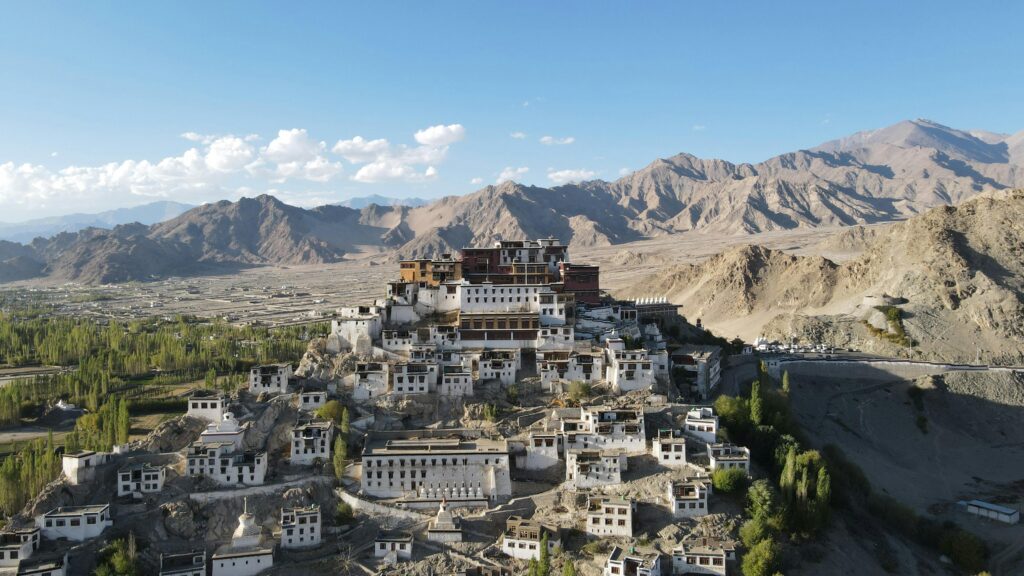
Reasons to Visit Spiti Valley: The Cold Desert You’ll Never Forget
High in the heart of the Himalayas lies a land so surreal it feels like another world — Spiti Valley, often called “The Middle Land” between India and Tibet. This remote high-altitude desert in Himachal Pradesh is a breathtaking blend of rugged landscapes, ancient monasteries, and soul-stirring silence. It’s where jagged peaks kiss the sky, turquoise lakes mirror the heavens, and timeless Buddhist chants echo through stone walls that have stood for centuries.
Visiting Spiti isn’t just a journey — it’s a transformation. As you drive through winding mountain passes, cross frozen rivers, and walk among centuries-old monasteries, you begin to understand why so many travelers call this valley “Heaven on Earth.”
“In Spiti, nature speaks in silence, and peace becomes your constant companion.”
Whether you’re drawn by adventure, photography, spirituality, or solitude, Spiti Valley promises an experience unlike any other. From moonlit lakes and fossil-rich villages to the warm smiles of locals living above 14,000 feet, every moment here feels like poetry carved in stone.
“You don’t visit Spiti to escape the world — you visit it to find yourself.”
So, if you’re wondering why this hidden Himalayan desert deserves a place on your travel bucket list — here are 12 compelling reasons to visit Spiti Valley, each one revealing a new facet of its raw, untouched magic.
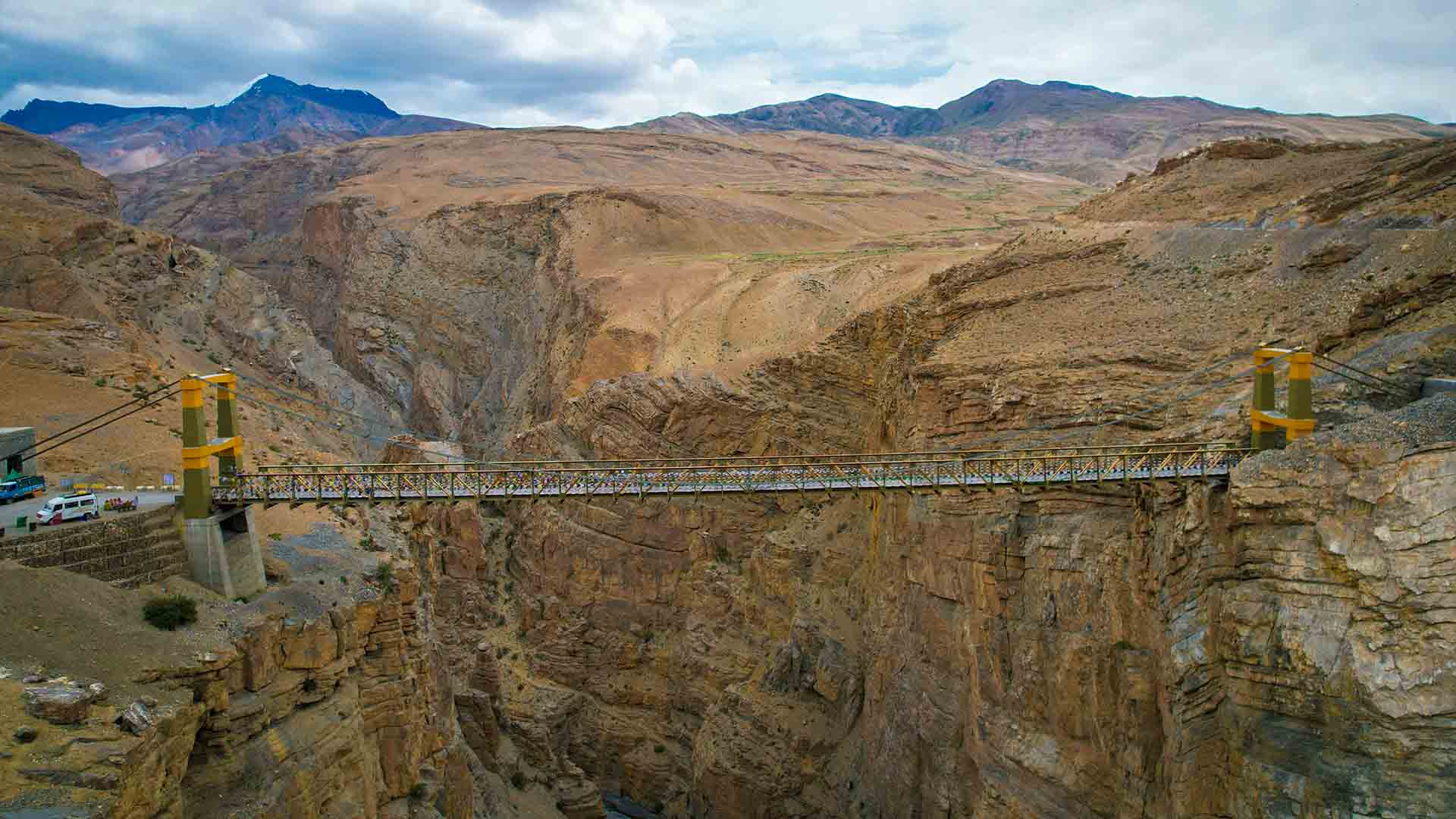
1. The Iconic Chicham Bridge — Where Adventure Meets Awe
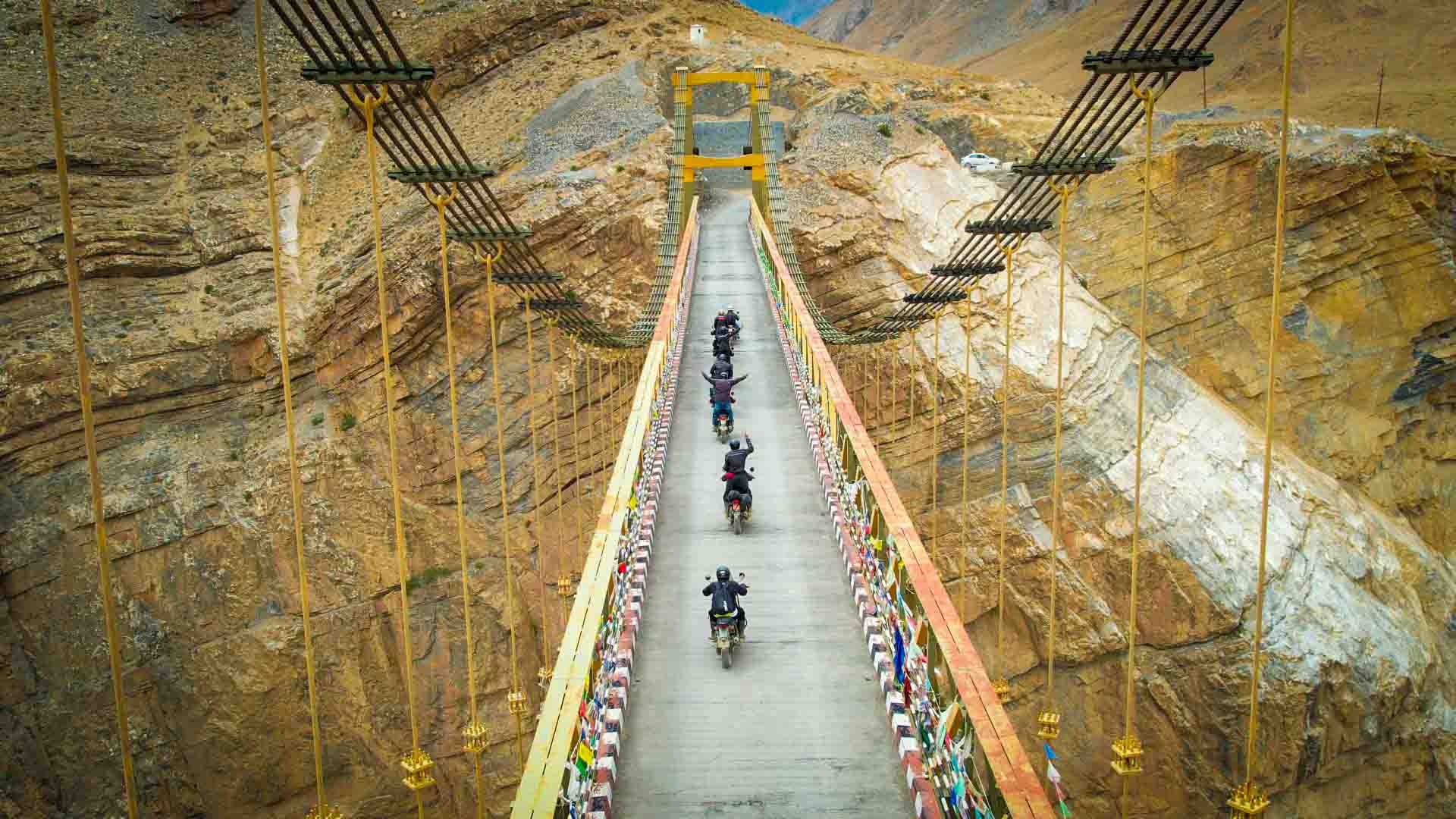
Hanging 13,500 feet above the dramatic Samba Lamba gorge, the Chicham Bridge is more than an engineering marvel — it’s a thrill suspended between heaven and earth. Linking Chicham Village with Kibber, this is one of Asia’s highest suspension bridges, and crossing it feels like defying gravity itself.
As prayer flags ripple wildly in the mountain wind and deep valleys open below, you realize Spiti’s raw, rugged soul lies in these moments of stillness between fear and wonder. Bikers often stop here to catch their breath (and their courage), while travelers pause to absorb the sheer grandeur of nature’s scale.
Whether you walk across for a heart-thumping photo or simply watch the sunlight dance on the steel cables, Chicham Bridge is a must-visit — a symbol of courage, connection, and mountain spirit.
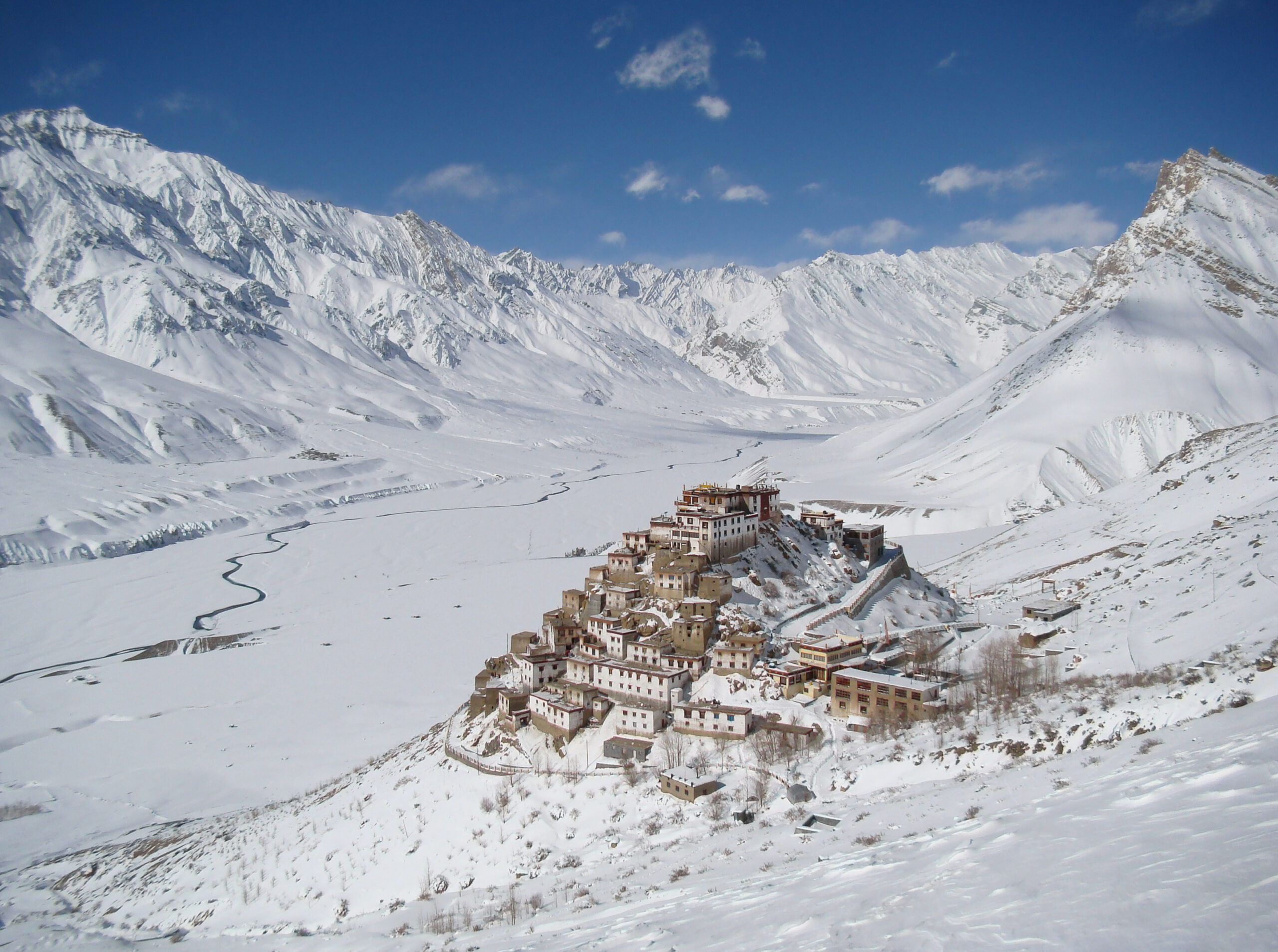
2. Ancient Monasteries Whispering Timeless Stories
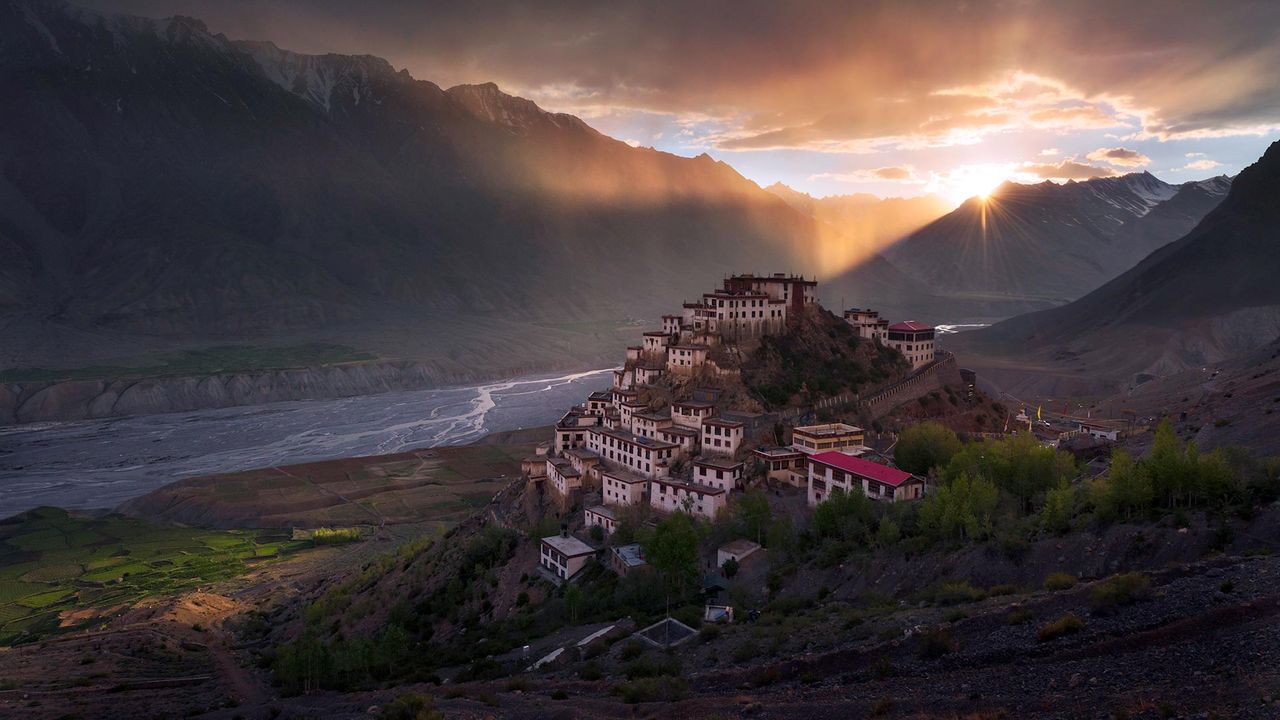
Every stone in Spiti’s monasteries carries centuries of faith and history. Key Monastery, perched dramatically on a hill above the Spiti River, looks like a fortress of wisdom guarding the valley. Inside, the scent of incense and butter lamps fills the air as monks chant ancient prayers that echo softly through the corridors.
Tabo Monastery, a UNESCO World Heritage site candidate, is over a thousand years old — a living museum of murals, scriptures, and sculptures. Dhankar Monastery, clinging precariously to a cliff edge, offers breathtaking views of the confluence of the Spiti and Pin Rivers.
“In Spiti, silence speaks the loudest, and faith flows as freely as the mountain winds.”
These monasteries aren’t just places of worship; they are time capsules that preserve the essence of Tibetan Buddhism and mountain spirituality.
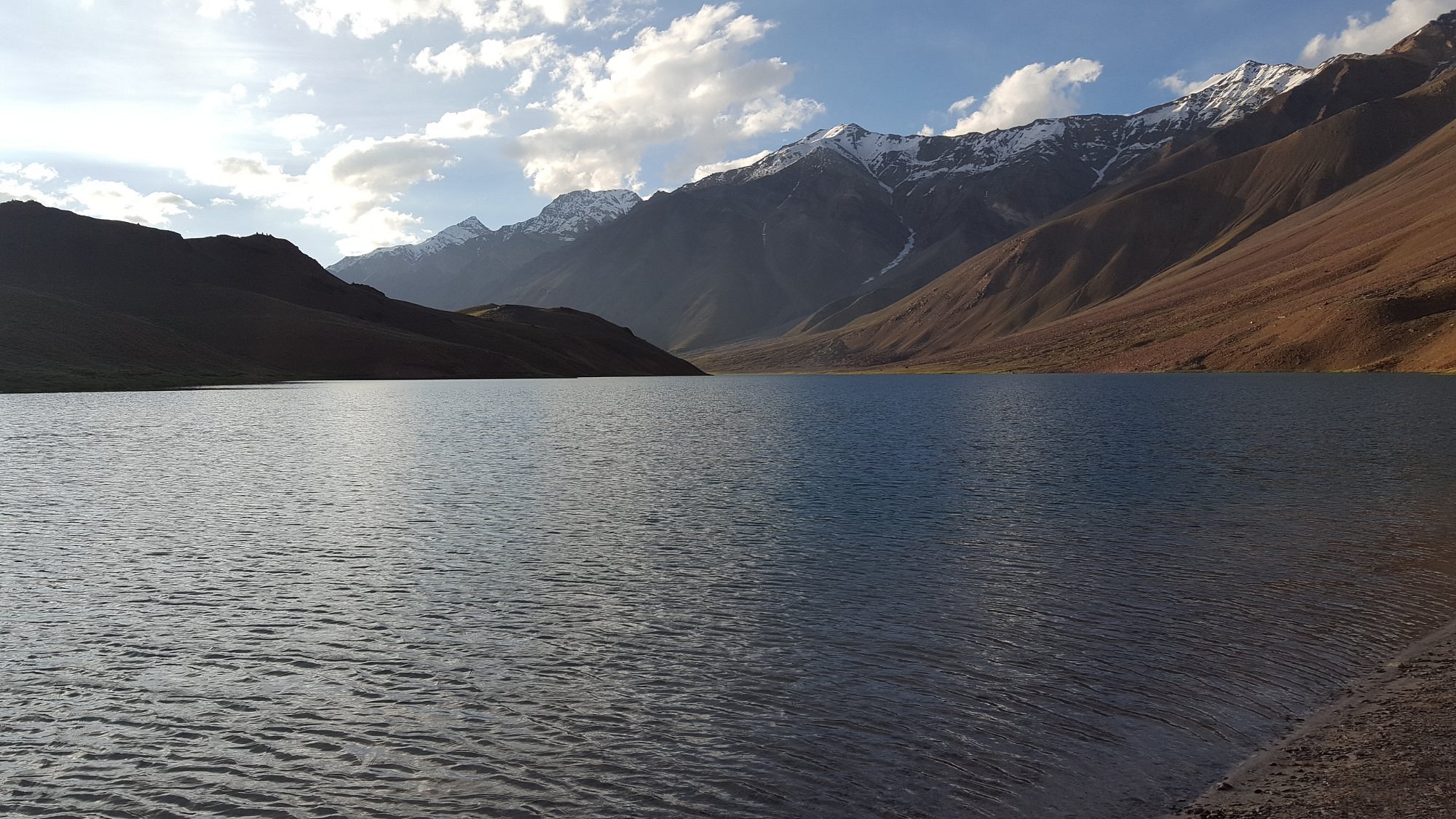
3. The Tranquil Magic of High-Altitude Lakes
The lakes of Spiti Valley are nature’s mirrors — reflecting the sky so vividly that it’s hard to tell where earth ends and heaven begins. Chandratal Lake, the “Moon Lake,” glows in shades of turquoise and silver under the vast Himalayan sky. Its changing hues — from deep blue at dawn to shimmering gold at sunset — are pure enchantment.
For those who love solitude, Dhankar Lake offers serenity on a different level. A quiet trek uphill leads you to this hidden gem, nestled amidst rugged cliffs and whispering winds. Sitting by its shores, you can hear nothing but your heartbeat and the gentle murmur of mountain air.
Pro Tip: Visit in July–September for the perfect reflection shots.
4. Encounter Rare Himalayan Wildlife
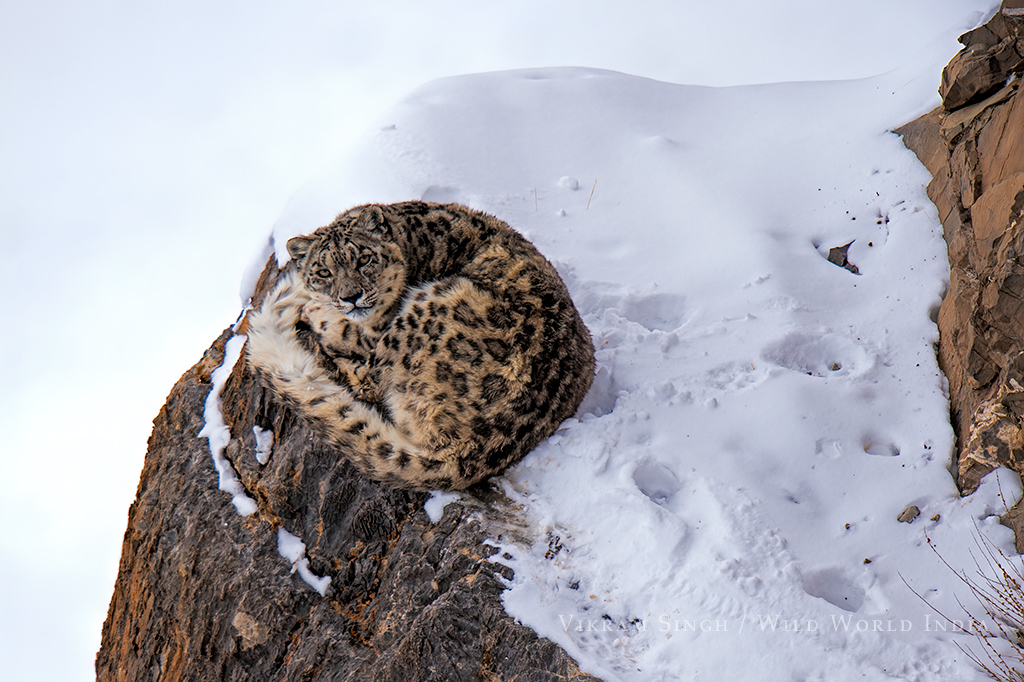
For wildlife lovers, Spiti Valley is a rugged paradise. It’s one of the few places on Earth where you might spot the elusive snow leopard in its natural habitat. During winters, these ghostly cats descend into the valleys, offering rare sightings for the patient and lucky.
The region is also home to Himalayan blue sheep (bharal), ibex, Tibetan wolves, and a variety of high-altitude birds. Exploring Spiti’s vast wilderness reminds you how raw and untamed nature can be — wild, beautiful, and humbling.
Also read: Is Spiti Valley Open in January?
5.The World’s Highest Villages and Their Simple Charm
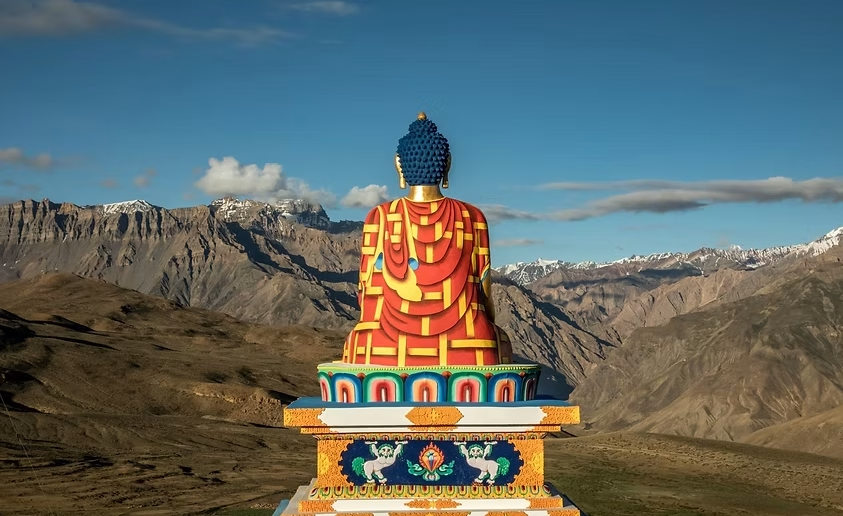
Visiting Spiti’s high-altitude villages like Komic, Hikkim, Langza, and Kibber feels like stepping into a storybook world frozen in time. Here, every home is built with sun-dried mud, prayer flags flutter on rooftops, and laughter echoes through the cold mountain air.
At Hikkim, you can drop a postcard at the world’s highest post office — a delightful reminder that even in the most remote corners of the world, human connection thrives. Komic, one of the highest inhabited villages on Earth, gives you sweeping views that make you forget the thin air and focus only on the beauty of existence.
Langza, often called the “Fossil Village,” adds a touch of mystery — ancient seashells buried in its soil tell the story of when this region was an ocean floor millions of years ago.
6. Stargazing Like Nowhere Else on Earth
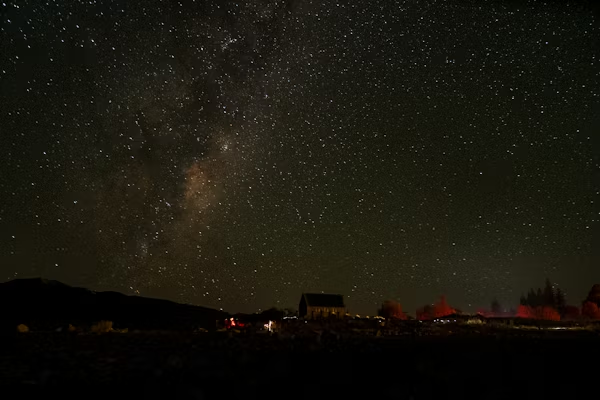
When night falls in Spiti Valley, magic begins to unfold above you. Far away from the chaos of city lights, the sky transforms into a vast, glittering canvas — millions of stars shimmering over silent mountains. This is one of the best places in India for stargazing, where the Milky Way appears so close you can almost trace its path with your fingers.
At altitudes above 10,000 feet, the air is thin, crisp, and crystal-clear — making Spiti a dream come true for astrophotographers and sky lovers alike.Whether you’re camping near Chandratal Lake, staying in Komic village, and Chicham are some of the best spots to witness the Milky Way stretching across the heavens like a silver river.
“In Spiti, you don’t just look at the stars — you feel their light.” ✨
If you’ve ever dreamed of sleeping under a thousand stars, Spiti Valley’s night sky will make you believe that heaven truly exists on Earth.
7. Natural Hot Springs — The Himalayas’ Hidden Spas
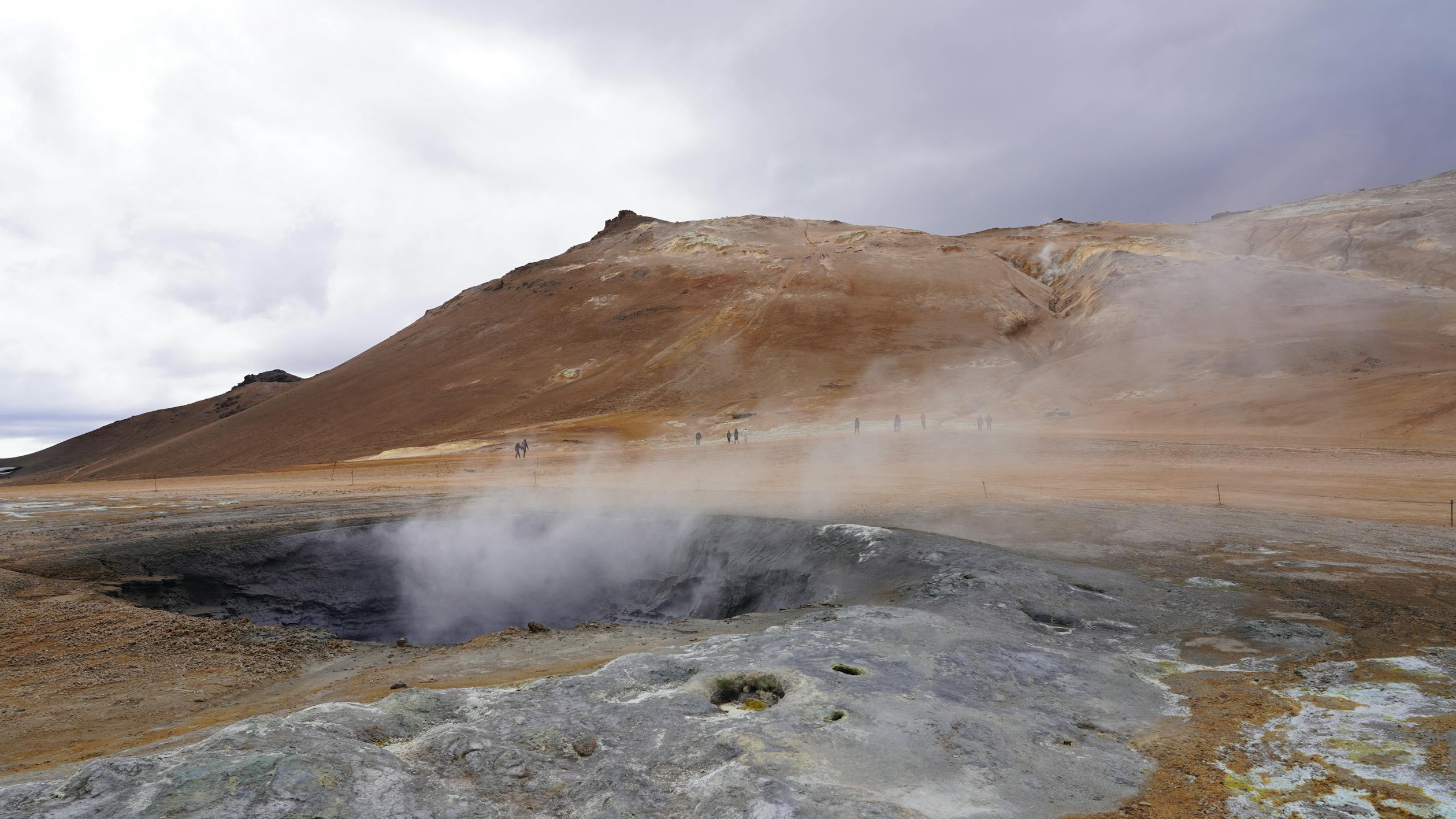
After a day of exploring wind-chilled valleys, few things feel better than soaking in Spiti’s natural hot springs. The springs at Tabo, Kaza, and Mane Village are known for their mineral-rich waters, believed to have healing properties.
Imagine warm steam curling into the cold air as snow peaks shimmer in the distance — it’s pure Himalayan therapy, balancing body and soul in one timeless moment.
Locals believe these waters have healing powers — and after one soak, you’ll likely agree. It’s relaxation at 12,000 feet, surrounded by nothing but silence and stars.
8. Festivals, Culture & the Warmth of the Locals
Spiti Valley’s charm lies not only in its beauty but in its people. The locals — warm, resilient, and deeply spiritual — are the valley’s soul.
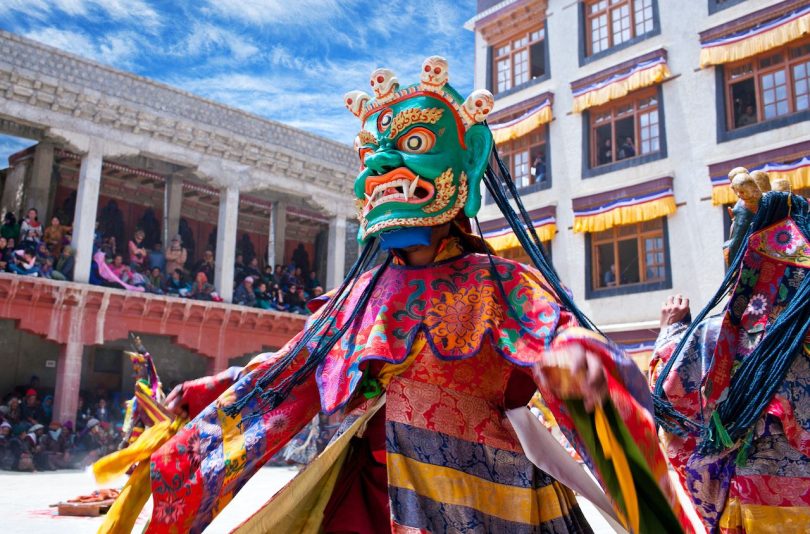
Visit during the Losar Festival(Tibetan New Year), Ladarcha Fair, or Gustor Festival, and you’ll see villages come alive with dance, laughter, and traditional Tibetan music.
The real heart of Spiti, though, lies in its people. Staying in a local homestay means sharing butter tea, barley bread, and stories under starlit skies. Their kindness and simplicity will touch you long after the trip ends.
9. Fossils & Forgotten Oceans of Langza
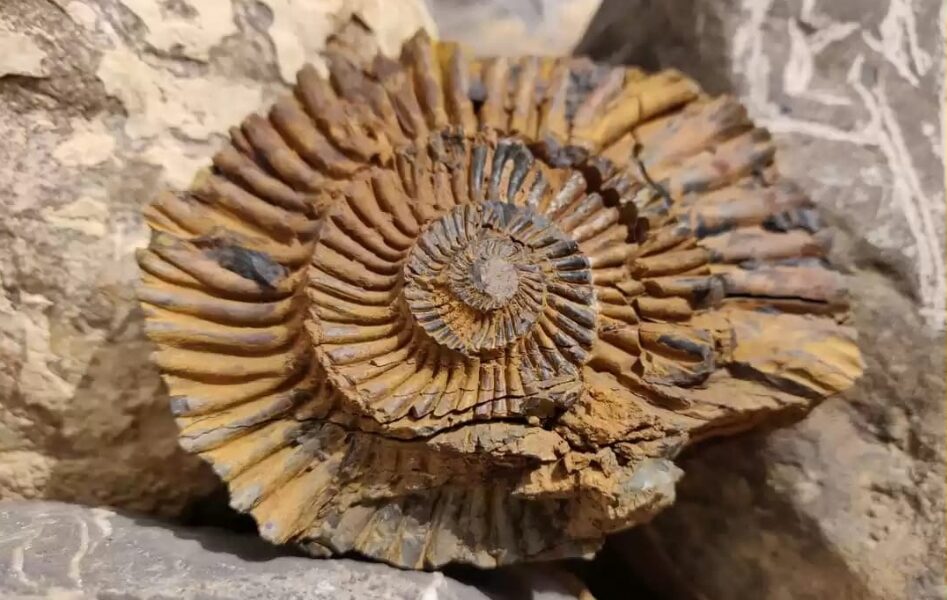
Before the Himalayas were mountains, they were ocean floors — and the Fossil Village of Langza still keeps that story alive. Hidden in the soil are spiral ammonites and seashell fossils, remnants of an ancient sea called the Tethys Ocean.
Holding one in your palm connects you with Earth’s deep past — a tangible reminder that even the highest peaks once lay beneath the waves. It’s a moment of wonder that bridges time, science, and imagination.
You can find marine fossils embedded in rocks, especially around Langza and Hikkim. This makes Spiti a paradise for geology lovers and curious explorers alike.
10. Adventures that Test and Transform You
Spiti is every adventurer’s playground. From off-roading on rugged mountain passes to trekking across high-altitude trails, every journey challenges you in the best way possible.
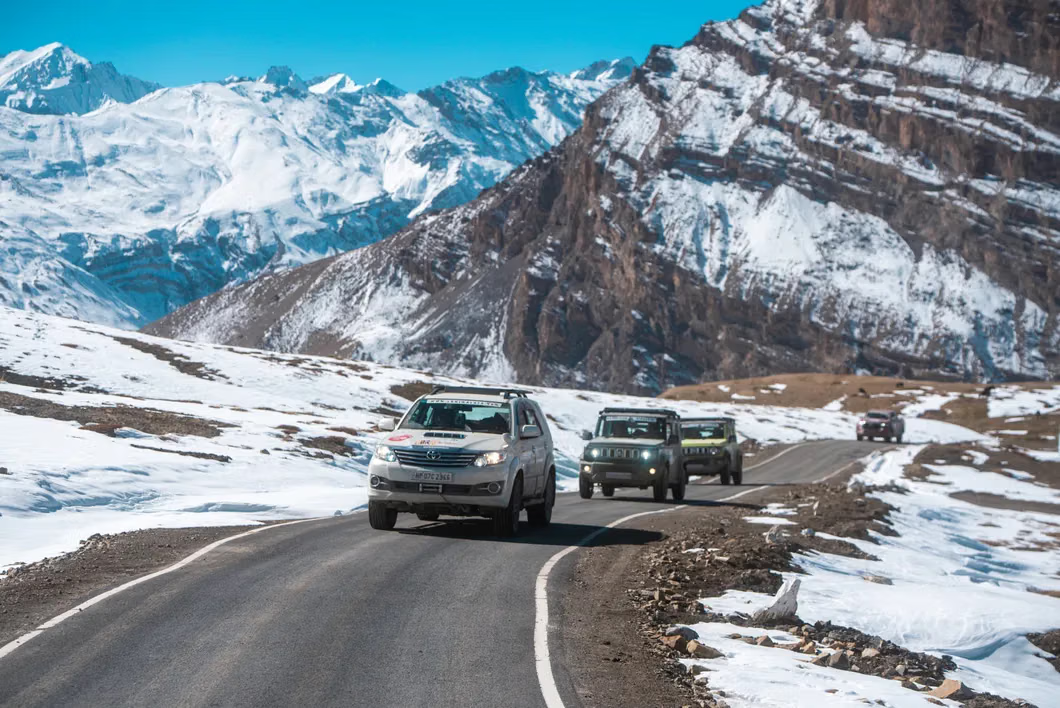
The legendary Pin-Parvati Pass Trek and Spiti to Chandratal route are a blend of thrill and tranquility. Even riding or driving on the Manali–Kaza road — one of the most treacherous yet beautiful roads in India — is a test of endurance and awe.
11. A Photographer’s Dream Canvas
For photographers, Spiti Valley is a living canvas. The interplay of light and shadow, the monasteries perched on cliffs, the turquoise rivers snaking through barren deserts — every frame feels painted by nature itself.
Whether you’re capturing Key Monastery at sunrise, star trails over Chandratal, or the everyday lives of locals, Spiti teaches you that photography isn’t about images — it’s about emotion.
12. The Journey Itself — The Road to the Middle Land
Perhaps the greatest reason to visit Spiti is the journey itself. Whether you take the Manali–Kaza route (raw and rugged) or the Shimla–Kaza route (longer but gentler), every curve, pass, and pit stop becomes part of an unforgettable story.
The drive across Rohtang Pass, Kunzum Pass, and Losar isn’t just travel — it’s transformation. The changing landscapes mirror your own evolving state of mind — from excitement to awe, from exhaustion to pure peace.
By the time you reach Spiti, you realize something beautiful: you didn’t just visit a destination — you rediscovered yourself.
Best Time to Visit Spiti Valley
The best months are May to October, when roads open after heavy snow.
Summer (June–September): Best for road trips, treks, and sightseeing.
Monsoon (July–August): Lush patches and waterfalls appear, but landslides can occur.
Autumn (September–October): Clear skies, golden hues, perfect for photography.
How to Reach Spiti Valley
From Manali Route: Manali → Rohtang Pass → Kunzum Pass → Kaza (approx. 200 km).
From Shimla Route: Shimla → Reckong Peo → Nako → Tabo → Kaza (approx. 450 km).
Most travelers do a Spiti Circuit—enter from one side and exit from the other to cover both routes.
Essential Travel Tips
Altitude: Spiti sits at 10,000–15,000 ft — acclimatize slowly.
Permits: Required for foreigners; Indians can travel freely.
Stay Connected: Limited mobile networks — BSNL works best.
Packing: Sunscreen, medicines, warm layers, reusable bottles, power bank.
Respect Local Culture: Avoid littering, be polite, and seek permission before photographing people or monasteries.
Conclusion: The Valley That Changes You
There are many destinations that impress you — but Spiti Valley transforms you.
Its quiet charm, boundless beauty, and humbling simplicity make it one of India’s most unforgettable journeys.
So pack your bags, follow the mountains, and discover why countless travelers say — “Once you visit Spiti, a part of your heart never returns.”
FAQs about Spiti Valley
1. Why should I visit Spiti Valley?
Spiti Valley is a dream destination for travelers who crave raw Himalayan beauty, peace, and adventure. You’ll find dramatic mountains, ancient monasteries, and untouched Tibetan-influenced culture. Every corner feels like a postcard — from crystal-blue lakes and high mountain passes to charming villages and star-filled skies.
2. Is Spiti Valley safe for solo travelers or families?
Yes, Spiti Valley is safe for both solo travelers and families. The locals are warm and welcoming, crime rates are minimal, and tourism is well-supported. However, travelers should be prepared for remote terrain, limited connectivity, and high-altitude conditions.
3. Can I see the Milky Way in Spiti Valley?
Yes! Spiti Valley is one of the best stargazing destinations in India. With minimal light pollution and crystal-clear skies, you can see the Milky Way with the naked eye — especially around Key Monastery, Langza, and Komic during June to September nights.
4. Why is Spiti Valley called “Little Tibet”?
Spiti is often called “Little Tibet” because of its shared culture, religion, and landscape with Tibet. From the monasteries and prayer flags to the people’s lifestyle and architecture, everything reflects Tibetan influence — giving you the feeling of stepping into another world.
5. What are the top attractions in Spiti Valley?
Some must-visit places include:
Chicham Bridge – Asia’s highest suspension bridge.
Key Monastery – the heart of Spiti’s spirituality.
Chandratal Lake – a high-altitude lake shaped like a crescent moon.
Langza, Kibber, and Komic Villages – among the world’s highest inhabited villages.
Pin Valley National Park – home to the elusive snow leopard.
6. Is Spiti Valley good for a road trip or biking adventure?
Absolutely! A Spiti Valley road trip is one of India’s most thrilling adventures. The route offers winding high-altitude roads, river crossings, and breathtaking views. Whether you ride a motorcycle or drive an SUV, the journey through the Himalayas is just as memorable as the destination.