
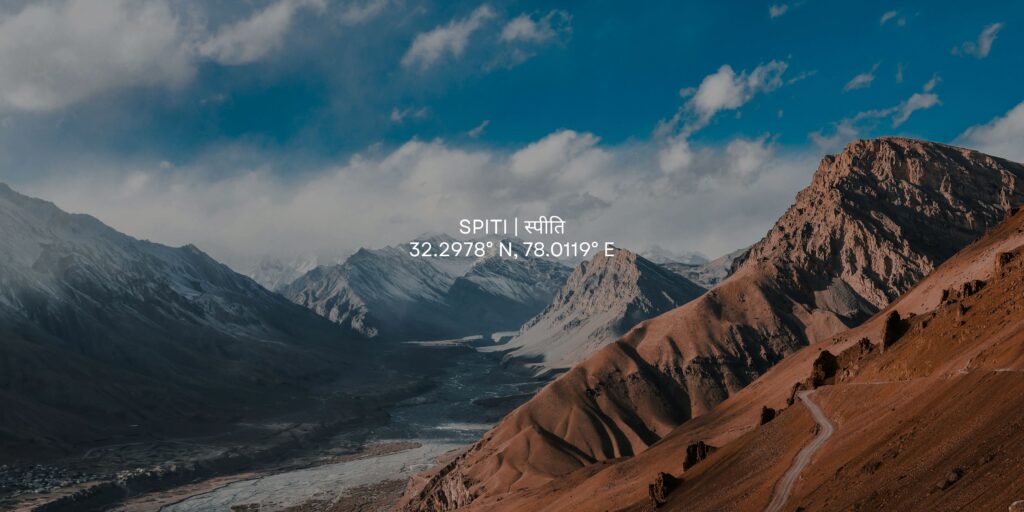
Spiti Valley Itinerary 5 Days
Spiti Valley is a cold desert nestled in the Himachal Pradesh Himalayas, close to the Indo-Tibetan border. It sits at an altitude ranging from 3,000 to 4,500 meters (9,800 to 14,700 feet) above sea level.
The weather here is dry and cold for most of the year, with summer (May to October) offering the best window for travel. Even in peak summer, temperatures can drop below 5°C at night.
Why Spiti Valley is a Dream Destination?
Spiti isn’t your average tourist spot. It’s remote, raw, and incredibly real. This region is dotted with ancient monasteries, high-altitude villages, fossil-rich lands, and moon-like landscapes. If you’re someone who craves offbeat adventures, starry skies, winding roads, and meaningful travel, Spiti is for you. If you’re a backpacker, a couple seeking an epic road trip, a photographer chasing Himalayan light, or a group of friends looking for a rugged mountain escape — a Spiti Valley 5 days trip is more than just a vacation. It’s an experience.
Spiti’s terrain is dramatic and untouched — think barren mountains, deep gorges, rocky trails, glacial rivers, and vast plateaus. The roads are narrow and winding, often unpaved, but each turn opens up to breathtaking views that make the journey unforgettable.
Expect altitude shifts, zero phone networks in parts, and long hours on the road. But that’s the charm — Spiti makes you disconnect from the world and reconnect with yourself.
Your Ultimate 5-Day Spiti Valley Plan
We’ve crafted an efficient and exciting Spiti Valley itinerary for 5 days that helps you explore the most iconic places — from the surreal beauty of Chandratal Lake to the remote villages like Komic, Kibber, and Langza. This 5 day trip to Spiti Valley ensures you don’t miss out on must-see monasteries, hidden gems, and scenic routes — all without feeling rushed.
Route:
Day 1 – Manali ➝ Atal Tunnel ➝ Batal ➝ Kunzum Pass ➝ Kaza
Day 2 – Kaza ➝ Tabo ➝ Dhankar ➝ Pin Valley (Mudh)
Day 3 – Pin Valley ➝ Komic ➝ Hikkim ➝ Langza`
Day 4 – Langza ➝ Key Monastery ➝ Kibber ➝ Chicham
Day 5 – Chicham ➝ Kunzum Pass ➝ Chandratal Lake ➝ Manali
DAY 1
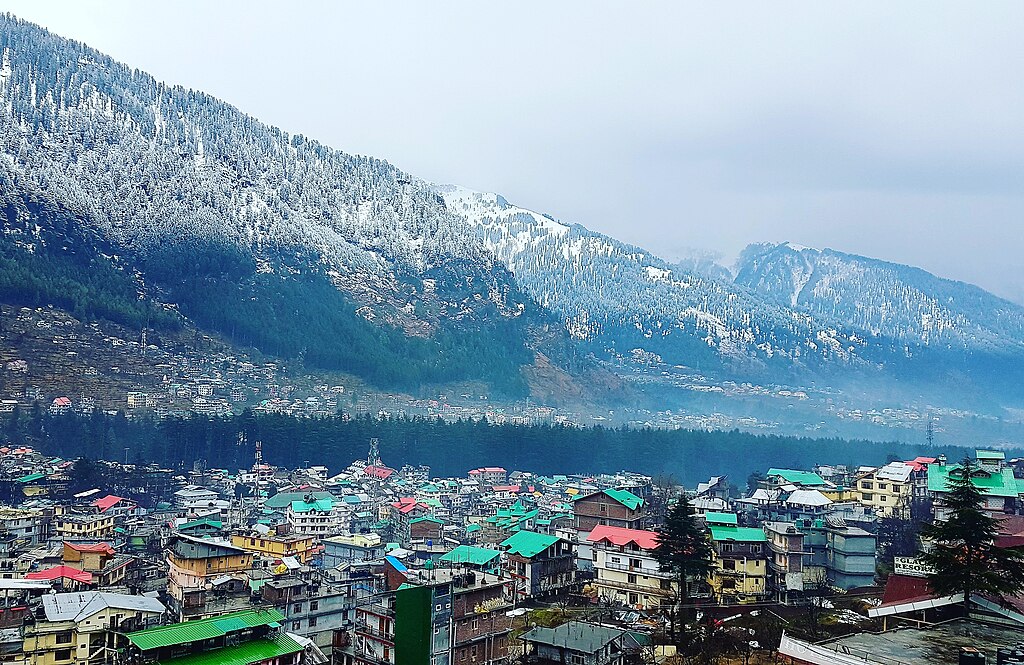
Welcome to Day 1 of your Spiti Valley itinerary for 5 days! This is where the adventure officially begins. If you’ve been dreaming of dramatic landscapes, high passes, and raw mountain beauty — today is your introduction.
Route: Manali ➝ Atal Tunnel ➝ Batal ➝ Kunzum Pass ➝ Kaza
Distance: Approx. 200 km
Travel Time: 9–10 hours (depending on road and weather conditions)
- Start early from Manali to avoid traffic and landslide-prone stretches.
- Cross the engineering marvel Atal Tunnel, one of the world’s highest highway tunnels. This 9-km stretch cuts down hours from the earlier Rohtang route and gives your journey a fast kickstart into the Lahaul region.
- Drive along the Chandra River, with massive mountains flanking you from both sides.
- Stop at Batal for some tea or maggi — a humble roadside dhaba here is popular among bikers and travelers.
- As you climb higher, the landscapes turn barren and dramatic. The drive up to Kunzum Pass (4,551m) is a spiritual experience. Here, you’ll find colorful prayer flags fluttering, a small temple, and panoramic views that feel otherworldly. Don’t forget to circle the temple — it’s a local ritual for a safe passage.
Arrival in Kaza:
After crossing Kunzum, the road gets slightly bumpy — this is where the real off-roading begins. By evening, you’ll reach Kaza, the administrative capital of Spiti, nestled by the Spiti River. At over 12,000 ft, you’ll start feeling the altitude, so take it easy.
Check into your guesthouse or homestay, sip on some butter tea or ginger lemon honey, and breathe in the thin, crisp air of Spiti.
Quick Tips:
- What to Pack Today: Warm layers, gloves, thermals, motion sickness tablets, power bank, offline maps.
- Phone Network: Limited. BSNL and Jio work in patches.
- Stay Hydrated: Helps your body adjust to the altitude.
- Don’t Rush: You’re gaining serious altitude today — keep breaks frequent and short.
Spiti Valley in 5 days starts strong — today’s route offers a raw mix of Himalayan wilderness, Buddhist culture, and high-altitude thrill that sets the tone for the rest of your journey.
Day 2
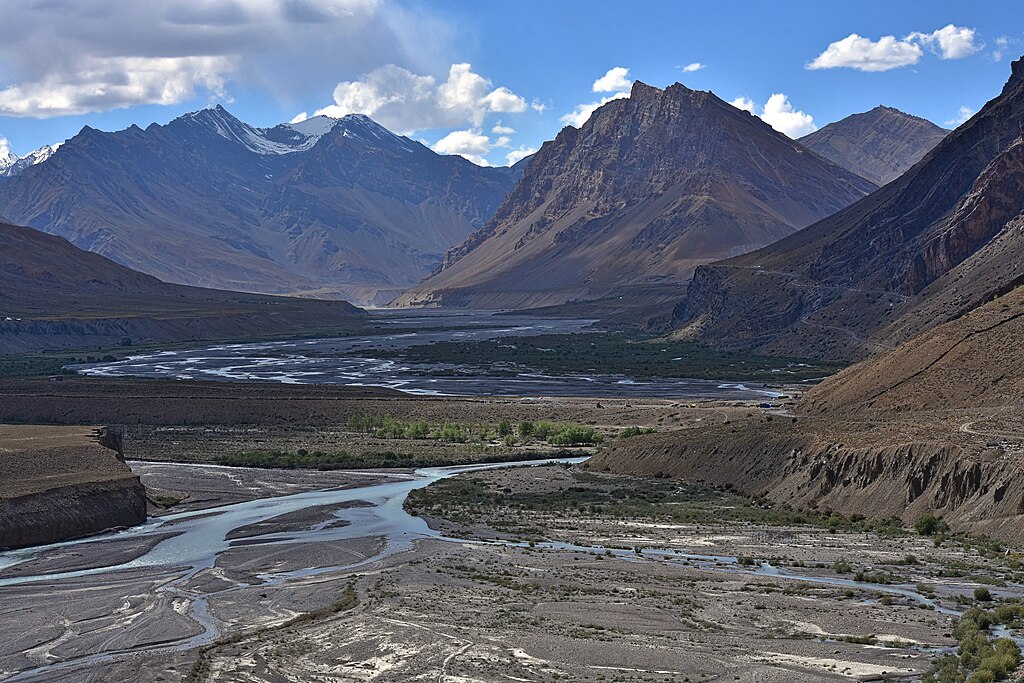
After a night’s rest in Kaza, Day 2 in your Spiti Valley itinerary for 5 days takes you deeper into the valley’s spiritual and scenic wonders. From ancient monasteries that whisper tales of the past to a hidden valley teeming with natural beauty — today is a cultural, spiritual, and visual delight.
Route: Kaza ➝ Tabo ➝ Dhankar ➝ Pin Valley (Mudh Village)
Distance Covered: ~90 km
Drive Time: 5–6 hours (excluding stops)
Altitude Range: 12,500 ft – 13,800 ftStop 1: Tabo Monastery – Spiti’s Oldest Living Heritage
Leave Kaza early and head to Tabo, about 48 km away. The road runs parallel to the Spiti River and is fairly smooth.
- Why Visit? Built in 996 AD, Tabo Monastery is often called the “Ajanta of the Himalayas” for its ancient murals, frescoes, and Buddhist scriptures.
- Inside the mud-walled complex, you’ll feel like you’ve stepped into a time capsule. The silence here is meditative — a true retreat for the soul.
- Don’t miss the meditation caves on the hill right above the monastery — short hike, big reward!
Stop 2: Dhankar Monastery & Lake – A Balcony Over Spiti
From Tabo, drive around 30 km to reach Dhankar — a clifftop village perched dramatically between Tabo and Kaza.
- Dhankar Monastery, over 1000 years old, sits at the edge of a cliff offering jaw-dropping views of the Spiti and Pin Rivers meeting below.
- For the adventurous, there’s a moderate 45-minute hike to Dhankar Lake, tucked behind the mountains. It’s serene, isolated, and perfect for quiet reflection.
If you’re following a well-planned 5-day Spiti Valley trip, Dhankar is a must-see – not just for its spiritual vibe, but for the stunning landscape that surrounds it.
Stop 3: Pin Valley – Into Spiti’s Greener Side
By afternoon, drive into the Pin Valley National Park, home to rare wildlife like snow leopards and Himalayan ibex, though sightings are rare.
- Your destination is Mudh Village, the last motorable point and a postcard-perfect hamlet surrounded by snow-dusted peaks.
- The green pastures of Pin feel like a different world from the stark desert of Spiti — you’ll notice it instantly.
Overnight Stay: Stay in a local homestay in Mudh — enjoy simple meals, heartfelt hospitality, and a peaceful night under a star-strewn sky.
Quick Tips:
- What to Pack Today: Sunscreen, power bank, layered clothing, basic meds, water bottles.
- Weather: Days are sunny, but nights in Mudh can drop below 5°C even in summer.
- Crowds: Fewer tourists venture to Pin Valley — enjoy the calm.
- Network: Expect zero connectivity in Mudh — time to go offline!
Day 3
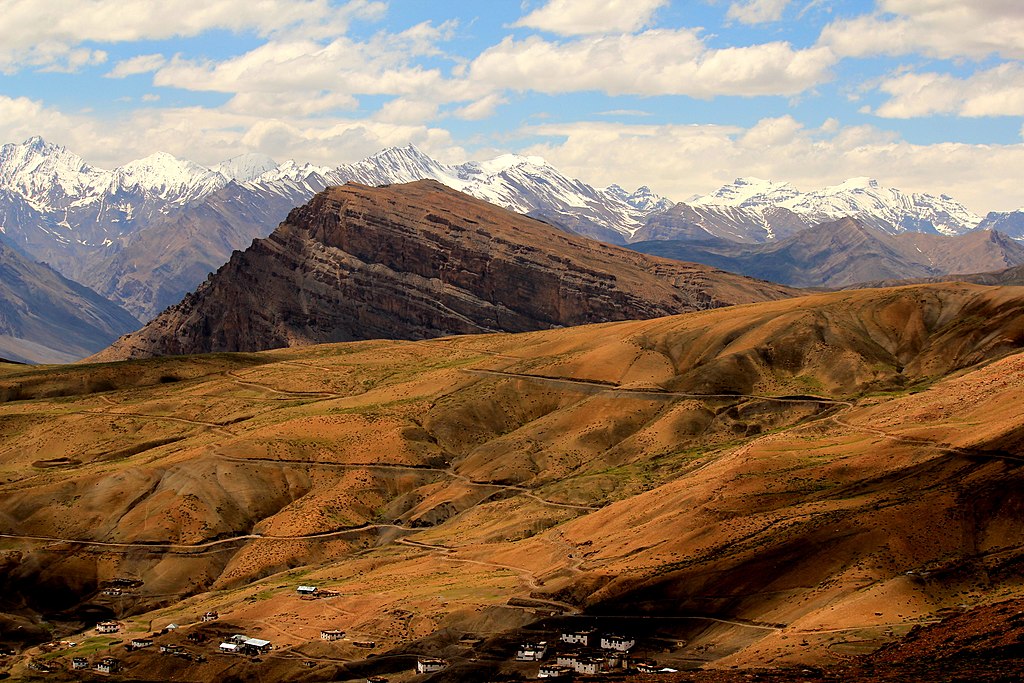
Today is a slow travel day with minimal driving but maximum altitude gain. If you’ve dreamt of visiting the highest motorable village in the world or sending a postcard from the highest post office on Earth — this is your day. Buckle up and prepare for views and vibes you’ll never forget.
Route: Pin Valley ➝ Komic ➝ Hikkim ➝ Langza
Distance Covered: ~65 km
Drive Time: 5–6 hours (including breaks)
Altitude Range: 12,000 ft – 15,000 ftStart From Pin Valley – Exit the Hidden Eden
After a peaceful night in Mudh Village, begin your drive back toward Kaza and take a detour into the high villages that make Spiti so special. The landscape changes from lush green to dry, rocky, and surreal.
Stop 1: Komic – Highest Motorable Village in the World
About 2 hours from Mudh, Komic sits at a dizzying 15,000 feet above sea level.
- Why Visit? It’s the world’s highest motorable village with a road connected all year round.
- Visit the Tangyud Monastery, a 14th-century Buddhist structure overlooking a vast canyon.
- Drink some butter tea with locals — just be slow and mindful, as oxygen is thin here.
Stop 2: Hikkim – Send a Postcard from the Clouds
Just 20 minutes from Komic, Hikkim is home to the world’s highest post office (at 14,567 ft).
- Buy a card and post it to yourself or loved ones — it may take a while, but it will reach!
- The postmaster here is a legend himself — always smiling, always welcoming.
- The place offers panoramic views that seem straight out of a fantasy novel.
Including Hikkim in your Spiti Valley 5-day itinerary is a must — few places in India offer such quirky experiences with stunning backdrops.
Stop 3: Langza – The Fossil Village
A short, scenic drive from Hikkim brings you to Langza, one of the most picturesque villages in Spiti. With a massive Buddha statue watching over the valley and towering mountains behind, Langza is a perfect end to your high-altitude loop.
- This area was once underwater — and yes, you can still find fossils embedded in rocks!
- The sunset view from Langza, with golden light reflecting off barren slopes, is truly soul-soothing.
Overnight Stay: Stay in a local homestay in Langza. The hospitality, warmth, and simple food here will make your experience feel rooted and real.
Quick Tips:
- Health Tip: Walk slowly, hydrate often — you’re above 14,000 ft for most of the day.
- Weather: Very cold at night (drops to 1–2°C), pleasant during the day.
- What to Pack Today: Thermal wear, lip balm, camera, and motion sickness meds (roads are twisty).
- Crowd: Sparse. Most tourists stick to Kaza.
- Network: BSNL works occasionally, but don’t count on it.
Day 4
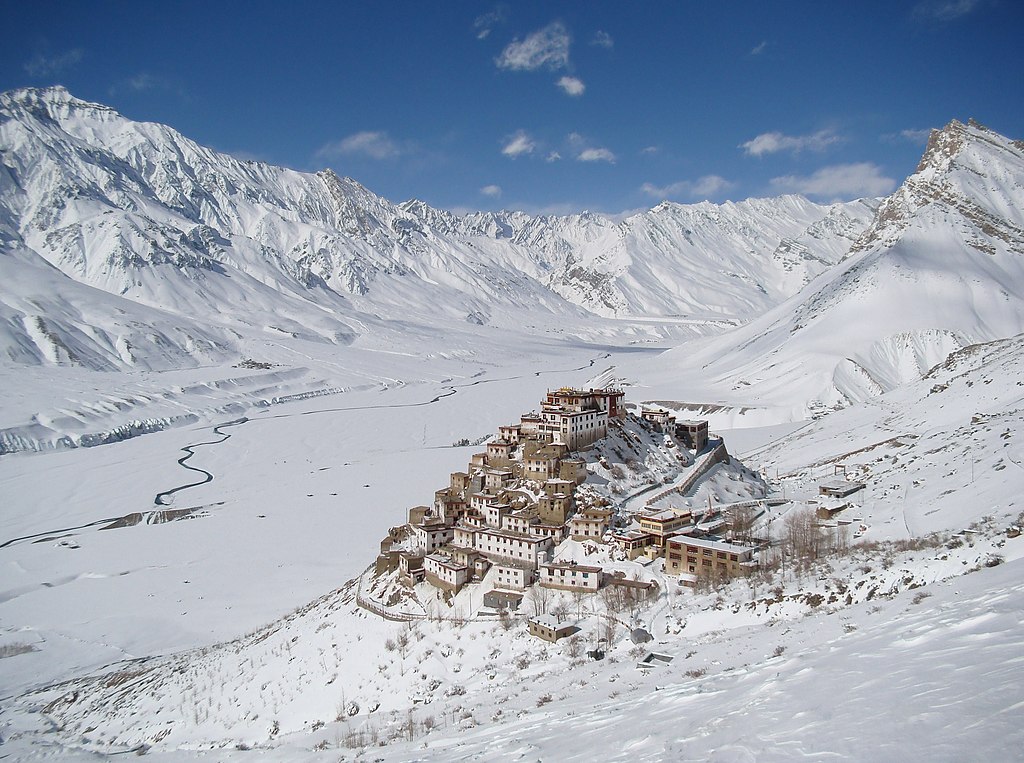
Today feels like a reward for the slow travel days so far. You’ll visit one of the most iconic monasteries in the region, explore villages that feel like paintings, and cross one of the highest suspension bridges in Asia. The beauty? It’s all close by.
Route: Langza ➝ Key Monastery ➝ Kibber ➝ Chicham
Distance Covered: ~45 km
Drive Time: 3–4 hours (plus time spent exploring)
Altitude Range: 14,000 ft – 13,500 ftStart at Langza – Sunrise with the Buddha
Wake up early to watch the sun rise behind the giant Buddha statue at Langza. It’s a moment you’ll remember forever — absolute silence, biting cold, and orange sunlight spilling over snow peaks.
After breakfast, begin a slow descent toward Key Monastery.
Stop 1: Key Monastery – Soul of Spiti
Just 14 km from Langza, Key (or Ki) Monastery is the largest and most photographed monastery in Spiti.
- Built on a hilltop like a fortress, it dates back over 1,000 years.
- Walk inside — spinning prayer wheels, chanting monks, and ancient murals await.
- Climb to the rooftop for a panoramic view of the Spiti River Valley — golden fields bordered by jagged grey mountains.
Pro tip: Sip some butter tea with the monks. Their hospitality and calmness are just as enriching as the views.
Stop 2: Kibber – Wildlife and Himalayan Stone Homes
From Key, it’s a scenic 6 km drive to Kibber Village, once the highest motorable village before Komic took the crown.
- Known for snow leopard sightings in winter.
- The stone homes with flat roofs are beautifully unique — great for photos!
- You can also visit the Kibber Wildlife Sanctuary, although sightings are rare in summer.
Stop 3: Chicham – Home to Asia’s Highest Suspension Bridge
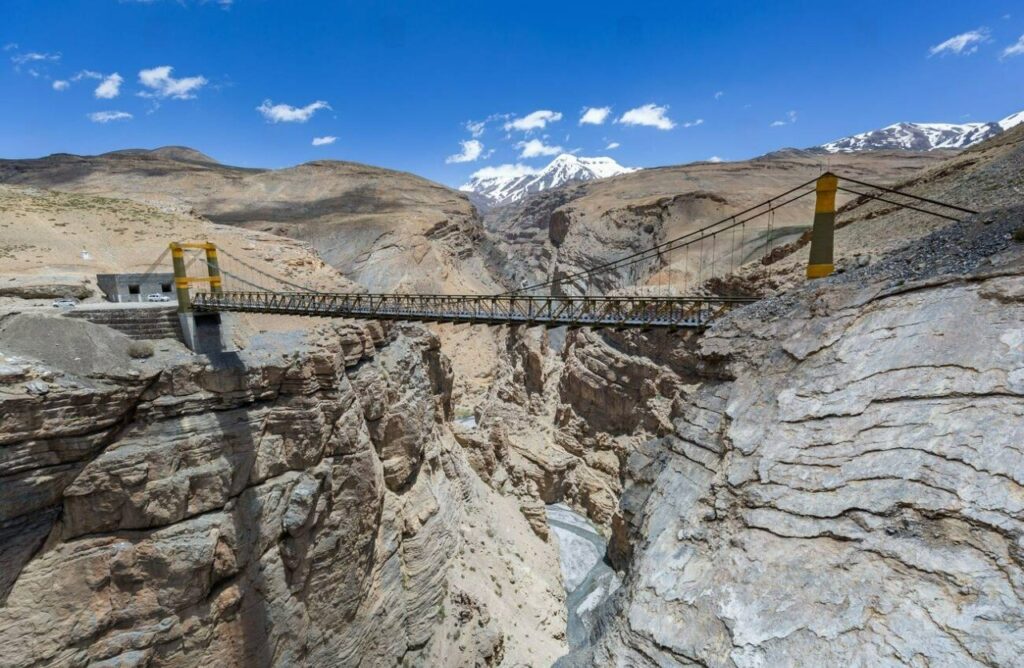
A short drive from Kibber brings you to Chicham, a village connected to the rest of Spiti by the Chicham Bridge, suspended high above a 1,000-foot gorge.
- Standing on this bridge is both terrifying and amazing.
- The canyon below is dizzying — it’s one of the most Instagrammable spots in Spiti.
- Fun fact: Earlier, locals had to cross a manual ropeway before this bridge was built in 2017!
Overnight Stay: Stay in a homestay at Chicham. Less commercial than Kibber or Langza, the peace here is something else. Night skies are mind-blowingly starry.
Quick Tips:
- Weather: Sunny but windy; chilly evenings (~4–6°C at night).
- What to Pack: Sunglasses, sunscreen, layered clothes, camera with extra memory!
- Crowd: Medium. Key Monastery sees the most tourists.
- Road Conditions: Smooth from Key to Chicham with occasional gravel patches.
- Health Tip: You’re still at high altitude — eat light, rest well.
Day 5
This is the most adventurous and scenic day of your trip — expect off-road excitement, soul-stirring views, and a fittingly magical end to your Spiti Valley 5 days trip.
Route: Chicham ➝ Kunzum Pass ➝ Chandratal Lake ➝ Manali
Distance Covered: ~190 km
Drive Time: 9–11 hours (with halts)
Altitude Range: 13,500 ft (Chicham) ➝ 15,000+ ft (Kunzum Pass & Chandratal) ➝ 6,700 ft (Manali)Early Departure from Chicham
Start before sunrise (5:00–5:30 AM) to make the most of the day. The roads are rough but the vistas — wow. You’ll retrace your path toward Kunzum Pass, so keep your camera ready. Early light here hits differently.
Stop 1: Kunzum La – Bowing to the Mountains
As you ascend to Kunzum Pass (15,060 ft), pause at the Kunzum Mata Temple. It’s tradition to stop and seek blessings before entering or leaving Spiti.
- Views: Snow-capped peaks, prayer flags flapping in the wind, and dramatic valleys below.
- Weather: Cold and windy — keep gloves and jackets handy.
From here, take the detour to Chandratal Lake. The route is rocky, narrow, and thrilling.
Stop 2: Chandratal Lake – The Moon Lake
After about 1.5–2 hours of bumpy driving and a short trek (~1 km), you’ll reach Chandratal Lake — truly the crown jewel of this day.
- The lake is shaped like a crescent moon (hence the name).
- Colors change with sunlight — deep blue, emerald green, and even turquoise!
- Altitude is high (~14,000 ft), so move slowly and don’t stay too long if you feel uneasy.
Chandratal in Spiti Valley is the kind of place you’ll dream of long after you’ve left. It’s pristine, sacred, and almost too beautiful to be real.
Final Leg: Drive Back to Manali
From Chandratal, begin your descent. The Batal to Gramphu stretch is notoriously rough, so drive cautiously. Stop for lunch at Chacha-Chachi Dhaba in Batal — an iconic survival story spot and a must-visit.
- Cross Atal Tunnel again and re-enter the greenery of Manali, probably by evening.
- The shift from Spiti’s barren magic to Manali’s alpine vibe is bittersweet but beautiful.
Quick Tips:
- Weather: Cold in the morning and at Chandratal, pleasant toward Manali.
- What to Pack: Windproof jacket, dry snacks, hydration, power bank, and patience.
- Crowd: Chandratal can get busy in peak season (July–August), but early arrivals beat the rush.
- Road Conditions: Off-road after Kunzum Pass; very rough until Gramphu, then smooth via Atal Tunnel.
As your Spiti Valley itinerary 5 days comes to a close, you’ll return with dust on your boots, stories in your soul, and photos that can never fully capture what you felt here. That’s the thing about Spiti — it stays with you long after you’ve left.
Best Time to Visit Spiti Valley
The best time to visit Spiti Valley largely depends on what kind of experience you’re seeking. For most travelers, the ideal window is between May and mid-October, when the weather is relatively stable, the roads from Manali and Shimla are open, and the region is alive with color and activity. June to September is perfect for a 5 day trip to Spiti Valley, especially if you’re entering from Manali via the Kunzum Pass, as the snow has melted and high-altitude roads become accessible.
During these months, temperatures range between 5°C to 20°C, offering pleasant days and cool nights. If you’re an offbeat explorer and prefer complete solitude, winter (late October to March) transforms Spiti into a frozen white desert, but travel is extremely challenging — roads via Manali are closed and access is only possible via Shimla.
It’s ideal only for seasoned winter travelers or photographers looking to capture snow-covered monasteries and the elusive snow leopard. For most, May to early October remains the safest, most rewarding time to experience Spiti’s rugged beauty.
Read more such content on EarthXplored.