
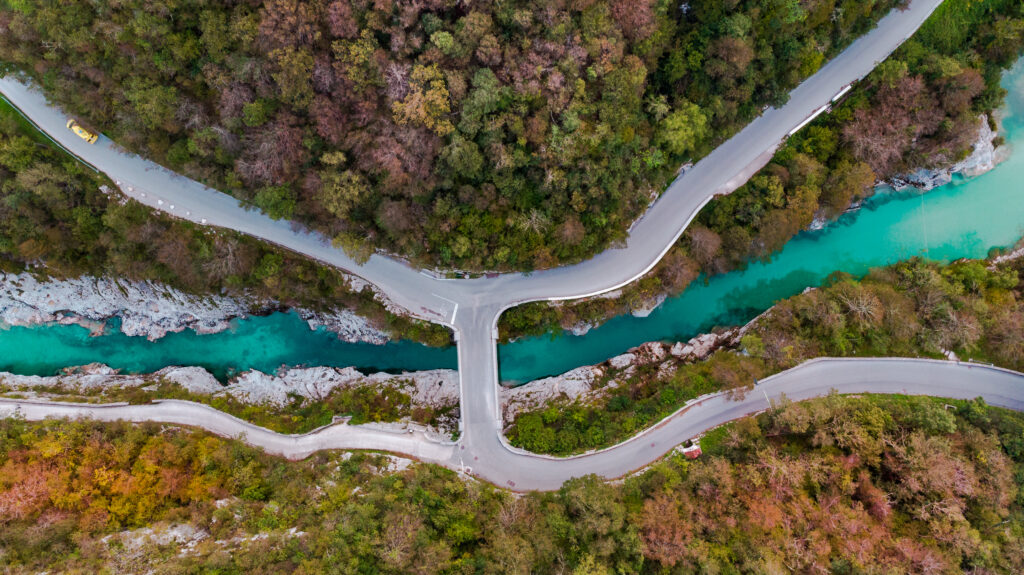
Best Monsoon Treks in Uttarakhand
When most travelers shy away from the Himalayas during rains, Uttarakhand quietly transforms into a wonderland. Mist floats across pine forests, meadows turn emerald green, and waterfalls roar with newfound energy. The monsoon season (July–September) is not a time to avoid trekking—it’s actually one of the best times to experience the raw beauty of Uttarakhand.
In this guide, we’ll explore the best monsoon treks in Uttarakhand, covering their highlights, difficulty levels, ideal duration, and why they are special during the rainy season. Whether you’re a beginner looking for a short weekend trek or an adventurer chasing high-altitude meadows, Uttarakhand has something magical for you.
Why Trekking in Uttarakhand During Monsoon Is Pure Magic
The monsoon in Uttarakhand isn’t just about rain—it’s about transformation. The Himalayas come alive in ways you can’t witness in summer or winter.
🌸 Wildflower Bloom: Treks like Valley of Flowers turn into a natural bouquet with over 500 alpine flower species in full bloom.
🌿 Lush Meadows: Bugyals (high-altitude meadows) like Dayara and Bedni turn into rolling carpets of green.
☁️ Mystical Skies: Low-hanging clouds and mist add a dreamy, almost spiritual touch to landscapes.
💧 Waterfalls & Rivers: Rain-fed streams and waterfalls gush down every trail, making the treks look surreal.
🧘 Fewer Crowds: Most tourists avoid monsoon, which means you enjoy trails in peace.
Simply put, monsoon trekking in Uttarakhand is about witnessing the Himalayas at their most vibrant and soulful.
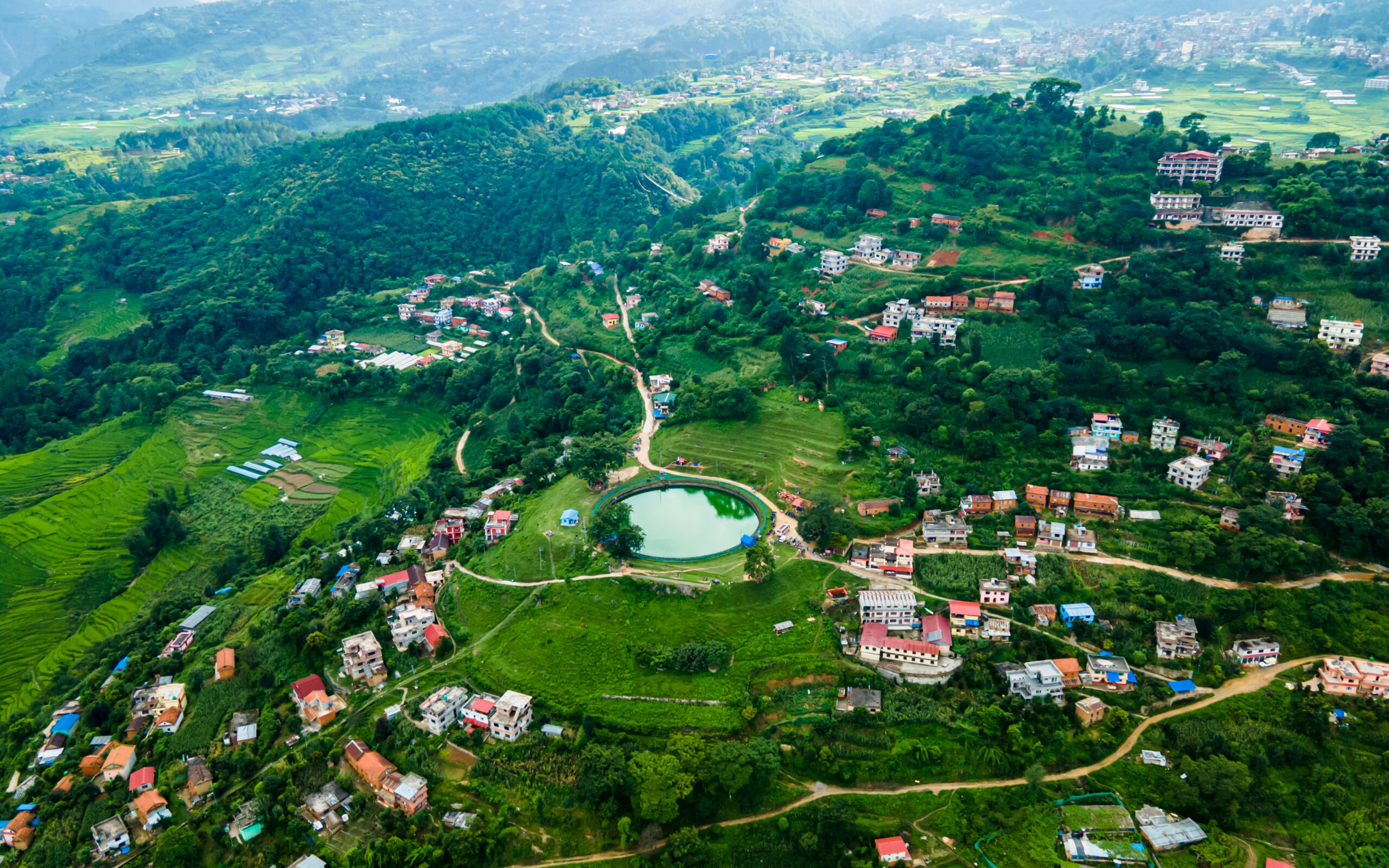
Top Monsoon Treks in Uttarakhand
1.Valley of Flowers & Hemkund Sahib
Altitude: 12,000 ft | Duration: 6 days | Difficulty: Easy–Moderate
Recognized as a UNESCO World Heritage Site, Valley of Flowers is perhaps the most iconic monsoon trek in Uttarakhand. Imagine walking through a valley carpeted with vibrant wildflowers—blue poppies, primulas, marigolds, and the rare Brahma Kamal. Every step feels like walking through a painting.
Alongside, you can trek to Hemkund Sahib, a revered Sikh pilgrimage site located by a pristine glacial lake at 15,000 ft, surrounded by snow-capped peaks. Pilgrims believe the aura here is deeply spiritual, and in monsoon, the lake reflects the mist and mountains like a mirror.
👉 Why in Monsoon? The Valley is open only from June to September, and July–August is peak bloom season. This trek is less about adventure and more about immersing yourself in nature’s artistry.

Valley of Flowers & Hemkund Sahib
2. Chopta – Tungnath – Chandrashila
Altitude: 13,000 ft | Duration: 4–5 days | Difficulty: Easy–Moderate
Chopta is often called the “Mini Switzerland of India,” and for good reason. Its rolling meadows, oak and rhododendron forests, and panoramic Himalayan views make it one of the prettiest destinations year-round.
From Chopta, you trek to Tungnath, the world’s highest Shiva temple at 12,000 ft. A little further is Chandrashila peak, which offers a breathtaking 360° view of Nanda Devi, Trishul, and Chaukhamba peaks.
In monsoon, the trail becomes even more magical. Mist floats through the forests, the meadows shine in fresh green, and wildflowers bloom along the path. Photographers love this trek for its dramatic cloudscapes.
👉 Why in Monsoon? Safe, short, and accessible—perfect for beginners or those with limited time who still want a Himalayan experience.
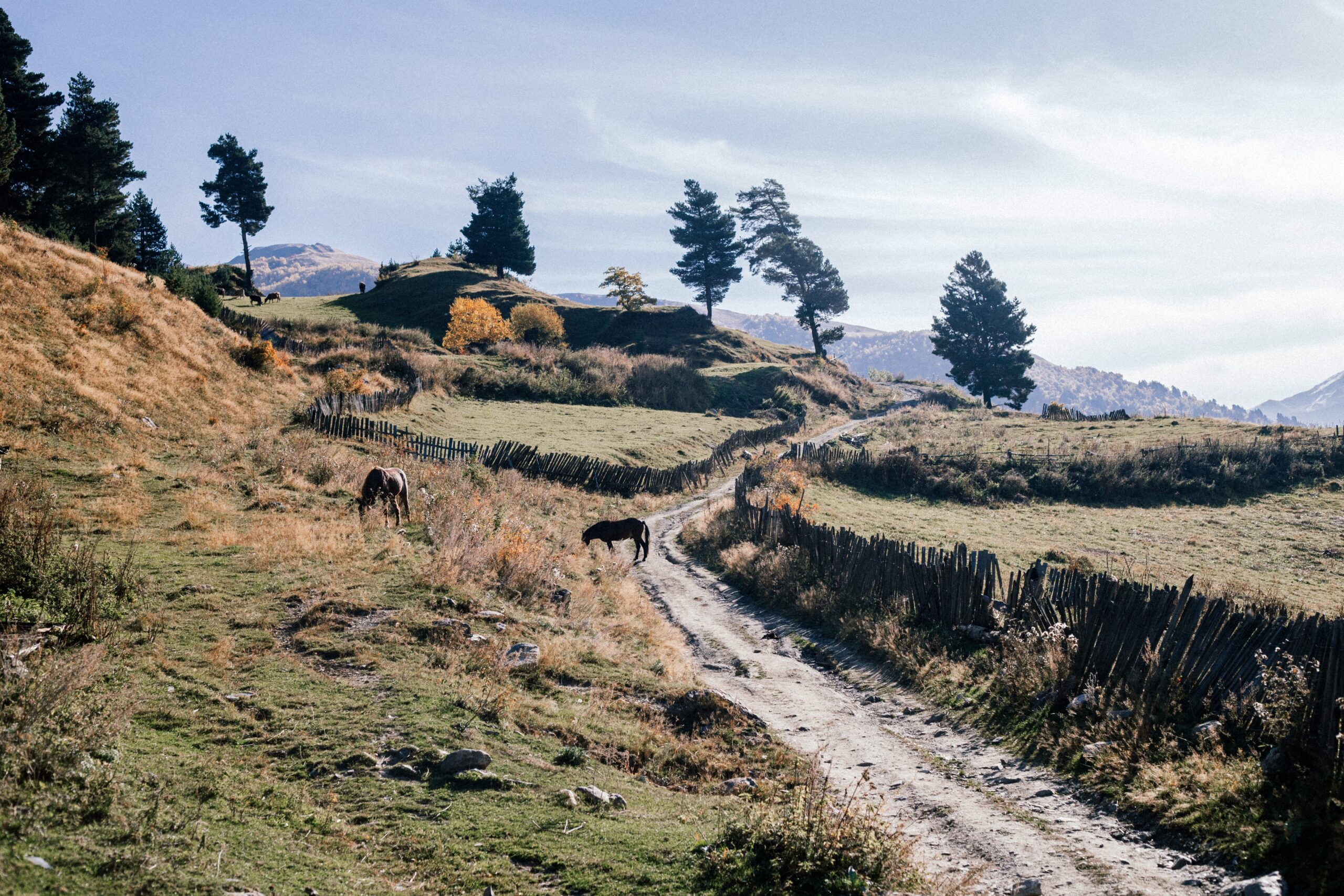
Chopta , Tungnath & Chandrashila
3. Dayara Bugyal
Altitude: 12,000 ft | Duration: 4–5 days | Difficulty: Easy
If you’re looking for a meadow trek in Uttarakhand, Dayara Bugyal is pure bliss. Spread over vast stretches of alpine pastures, this trek offers wide-open landscapes that look like nature’s stadium.
During monsoon, the meadows turn bright green and are sprinkled with wildflowers. Add to that the backdrop of Bandarpoonch, Black Peak, and Draupadi Ka Danda, and you have one of the most photogenic treks in Uttarakhand.
👉 Why in Monsoon? The monsoon turns Dayara into a glowing emerald field with crystal-clear streams. It’s beginner-friendly and ideal for families or first-time trekkers.
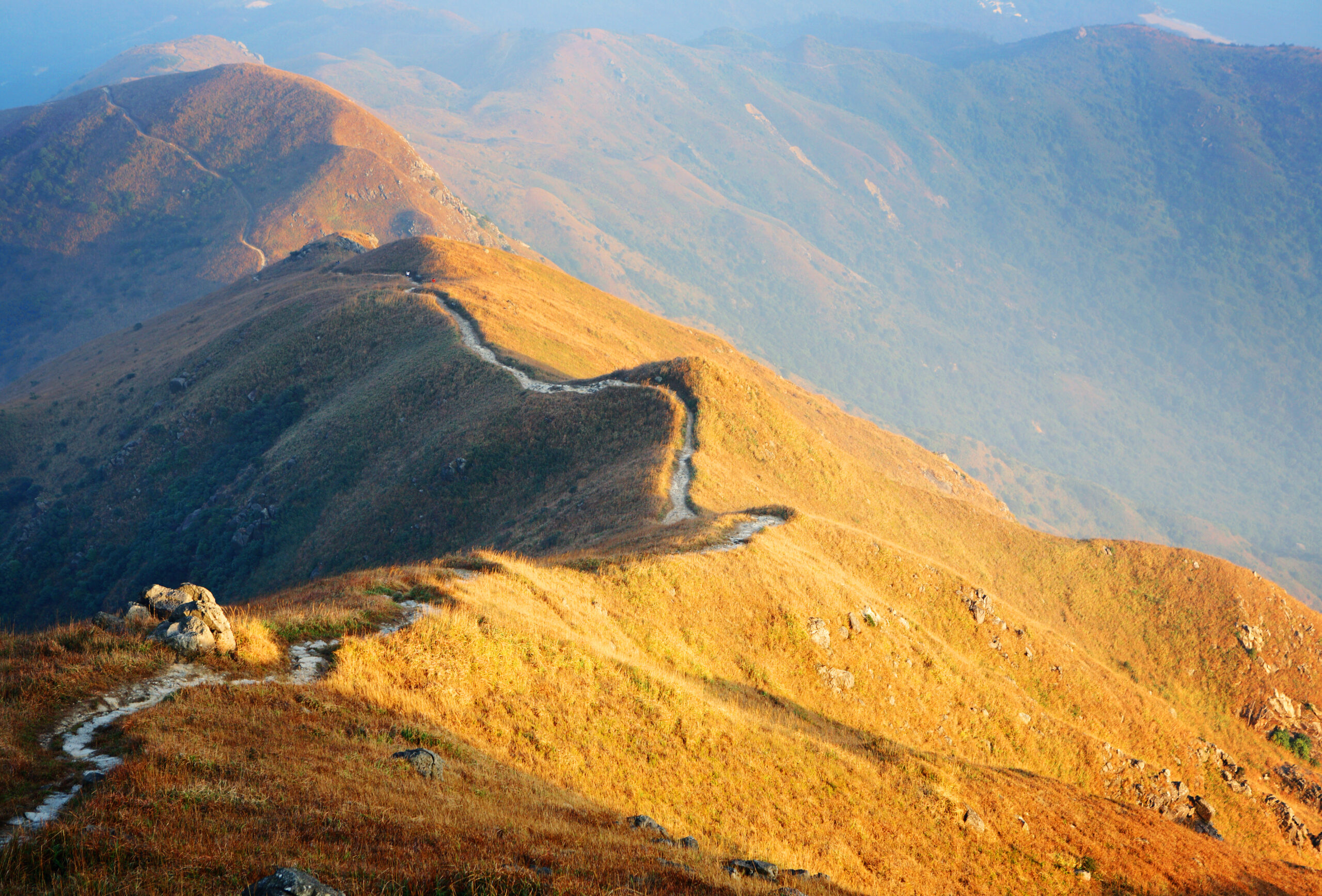
Dayara Bugyal
4. Nag Tibba
Altitude: 9,910 ft | Duration: 2 days | Difficulty: Easy
Nag Tibba, often called the “Serpent’s Peak,” is one of the best short treks in Uttarakhand. Starting from Pantwari near Mussoorie, it offers an easy climb through forests and ridgelines.
The summit rewards you with sweeping views of Bandarpunch, Kedarnath, and Doon Valley. Since it’s just a weekend trek, it’s perfect for city dwellers looking for a quick escape.
👉 Why in Monsoon? The short duration and relatively safe trails make it great for monsoon weekends. Plus, the misty skies and cloud-draped ridges add drama to the views.
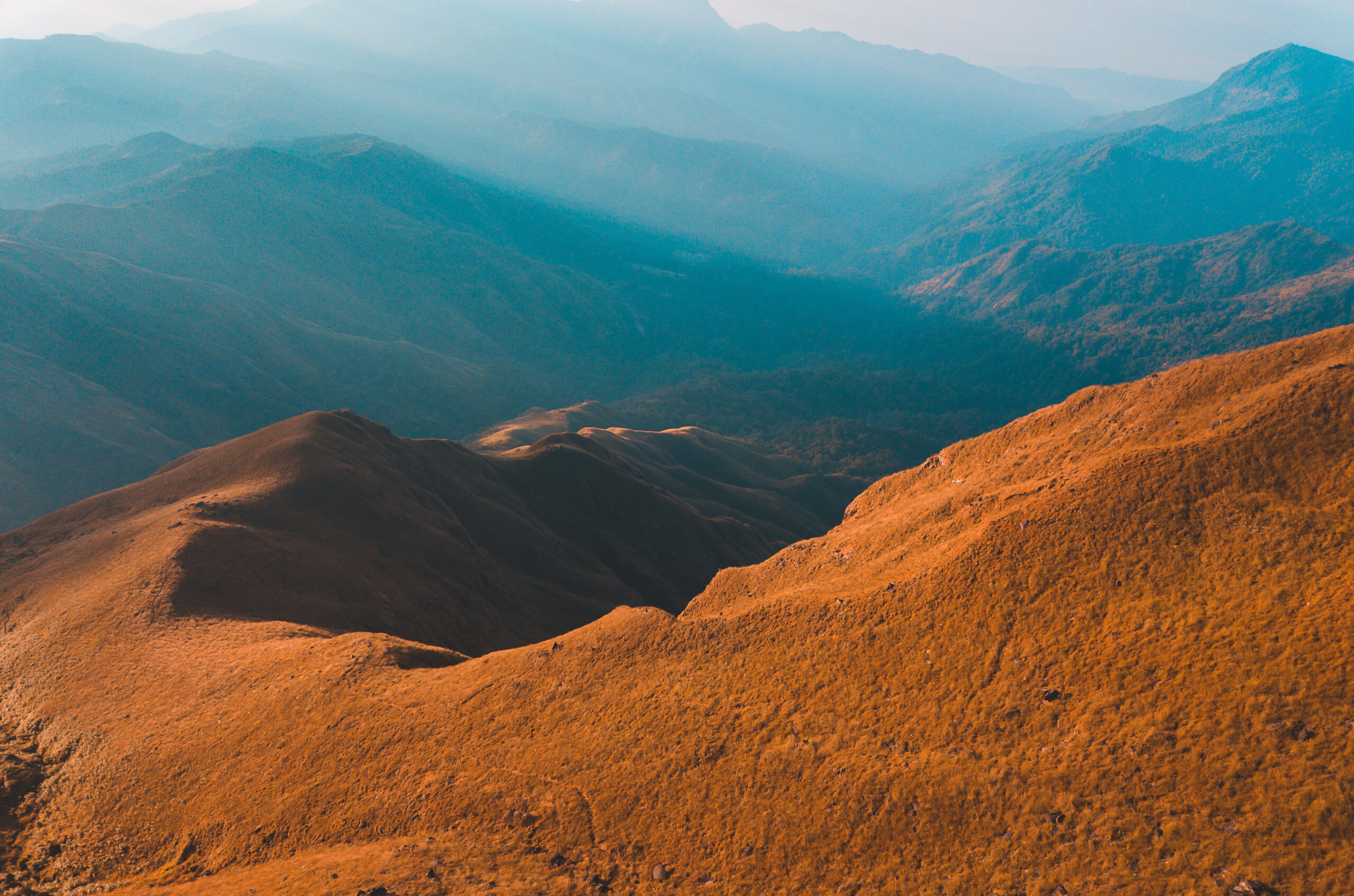
Nag Tibba
5. Har Ki Dun
Altitude: 11,700 ft | Duration: 7–8 days | Difficulty: Moderate
Har Ki Dun, also known as the “Valley of Gods,” is steeped in mythology. Locals believe it was the route taken by the Pandavas to reach heaven.
The trek takes you through ancient villages, pine forests, and glacial streams. You’ll see waterfalls at every turn, and the valley opens into meadows that feel straight out of a fairytale. The cultural richness here is as rewarding as the natural beauty.
👉 Why in Monsoon? The valley bursts with greenery, rivers swell, and the cultural villages come alive in a fresh, rain-washed glow.
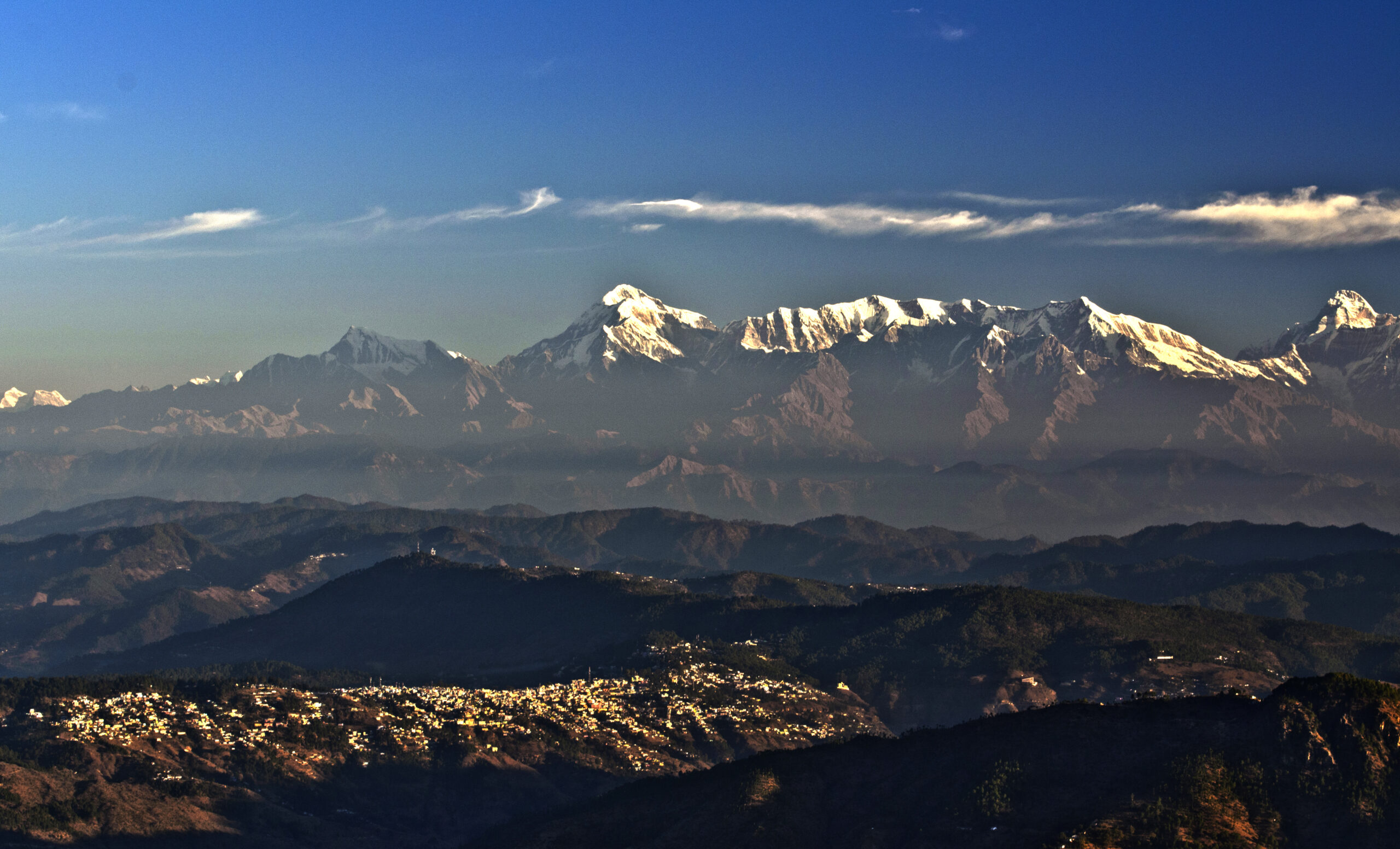
Har Ki Dun
6. Pindari Glacier
Altitude: 12,300 ft | Duration: 6–7 days | Difficulty: Moderate
One of the most accessible glacier treks in Uttarakhand, the Pindari Glacier trek is an adventure-packed journey. Starting from Loharkhet, the trail passes through villages, rivers, and wooden bridges before reaching the massive glacier.
The highlight is the Pindari Glacier snout, from where the Pindar River emerges. In monsoon, the glacier area is surrounded by lush greenery and gushing streams, making the landscapes come alive.
👉 Why in Monsoon? Unlike high-risk glacier treks, Pindari remains relatively safe and accessible during rains. It’s perfect for trekkers who want a mix of culture and adventure.
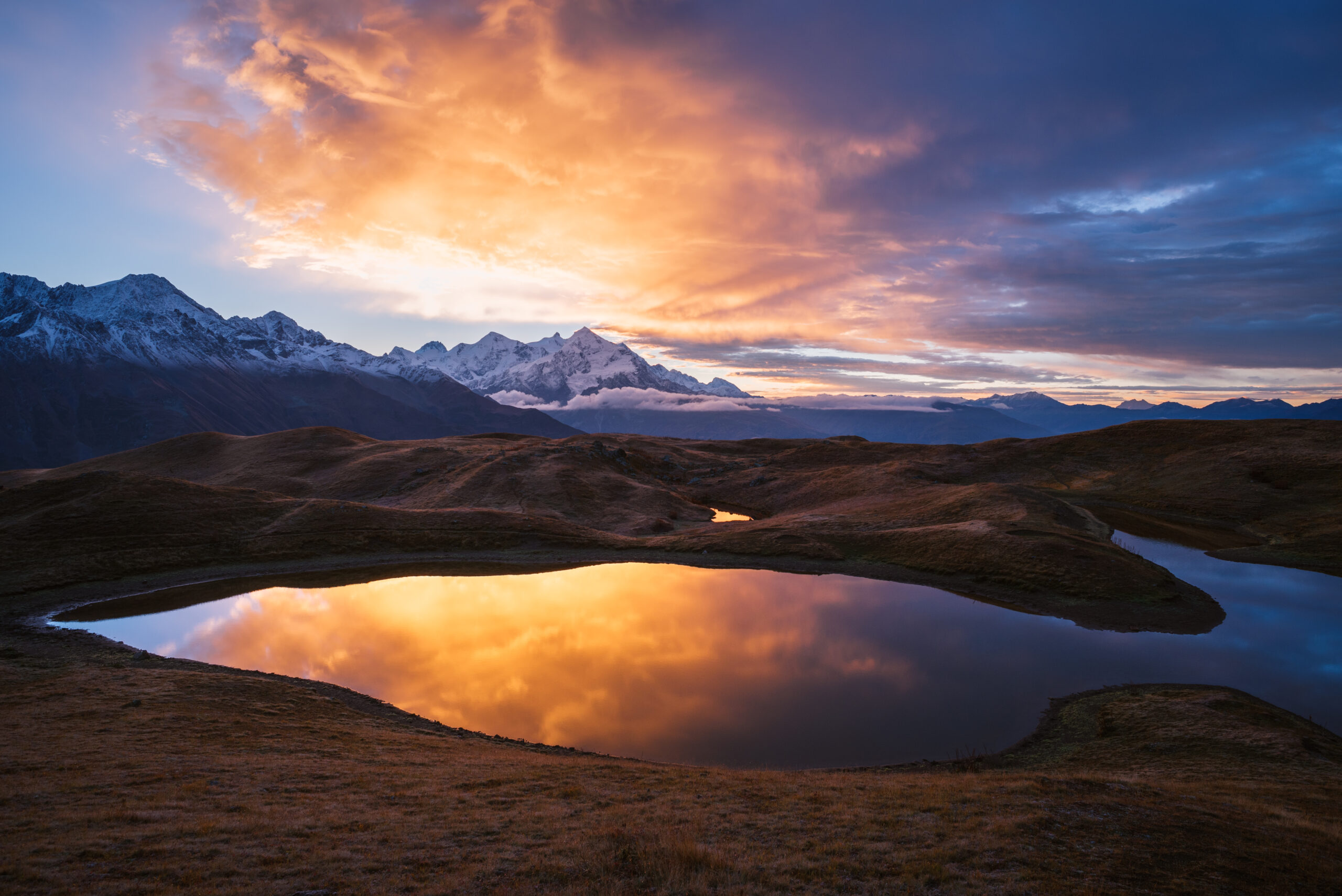
Pindari Glacier
7. Roopkund via Bedni Bugyal
Altitude: 15,700 ft | Duration: 7–8 days | Difficulty: Moderate–Difficult
Roopkund is legendary for its Skeleton Lake—a glacial tarn where hundreds of human skeletons were found, believed to be from an ancient pilgrimage.
The trail takes you through Bedni Bugyal and Ali Bugyal, two of the most stunning alpine meadows in India. The meadows are especially breathtaking in monsoon, with rolling greenery under cloudy skies.
👉 Why in Monsoon? The bugyals are unmatched in beauty during rains. But since this trek climbs above 15,000 ft, it’s best for seasoned trekkers who can handle unpredictable weather.
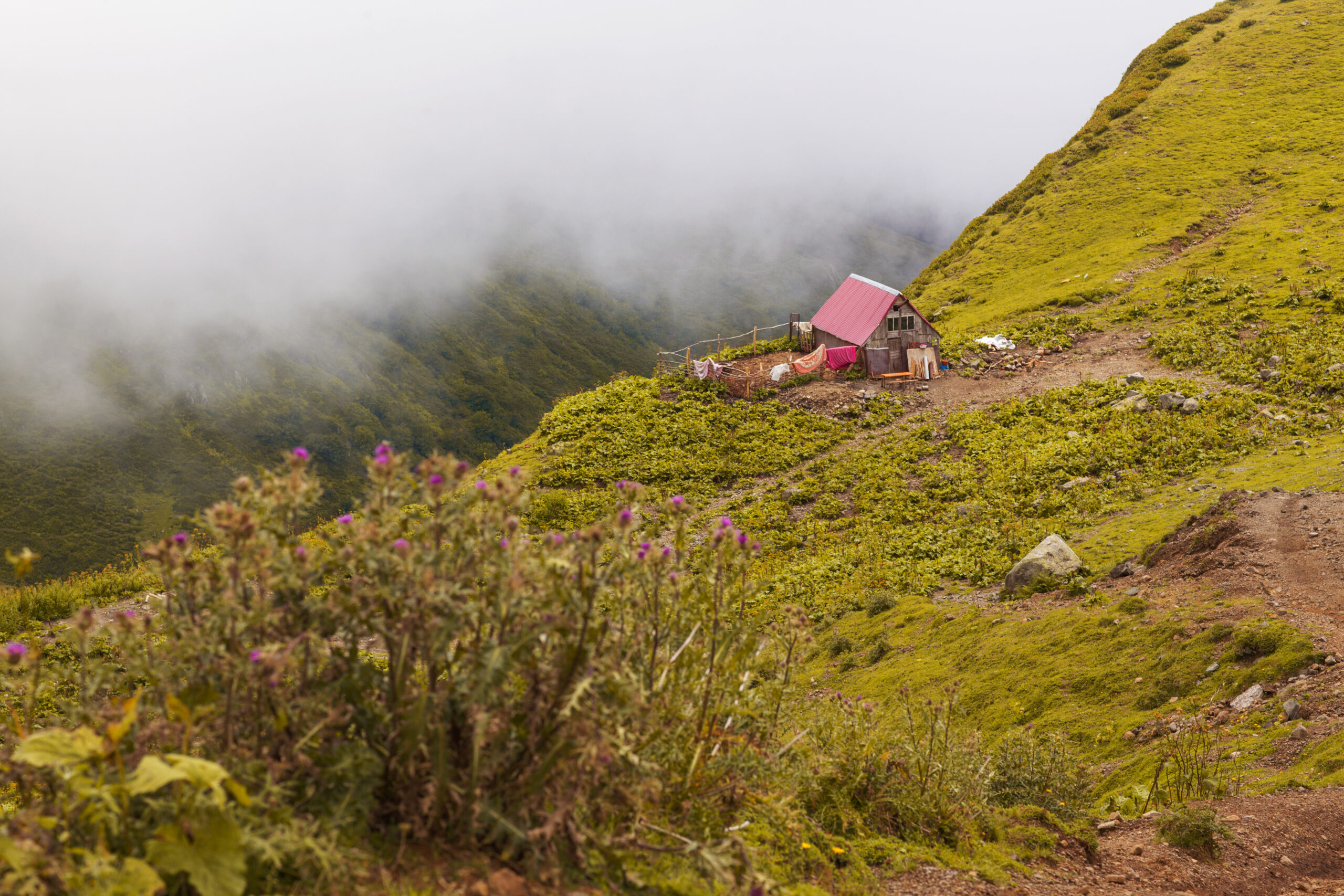
Roopkund via Bedni Bugyal
8. Hidden Gem: Kush Kalyan Bugyal
Altitude: 12,000 ft | Duration: 6–7 days | Difficulty: Moderate
For trekkers seeking solitude, Kush Kalyan Bugyal is an offbeat jewel. Located near Uttarkashi, this trail passes through dense forests, ridges, and peaceful meadows where very few trekkers venture.
The monsoon brings this bugyal to life with vibrant green landscapes, wildflowers, and clear mountain air. Since it’s lesser-known, you can often enjoy the meadows entirely to yourself.
👉 Why in Monsoon? If you want an untouched, offbeat monsoon trek away from crowds, Kush Kalyan is the answer.
Also check out: Kedarnath Yatra in October
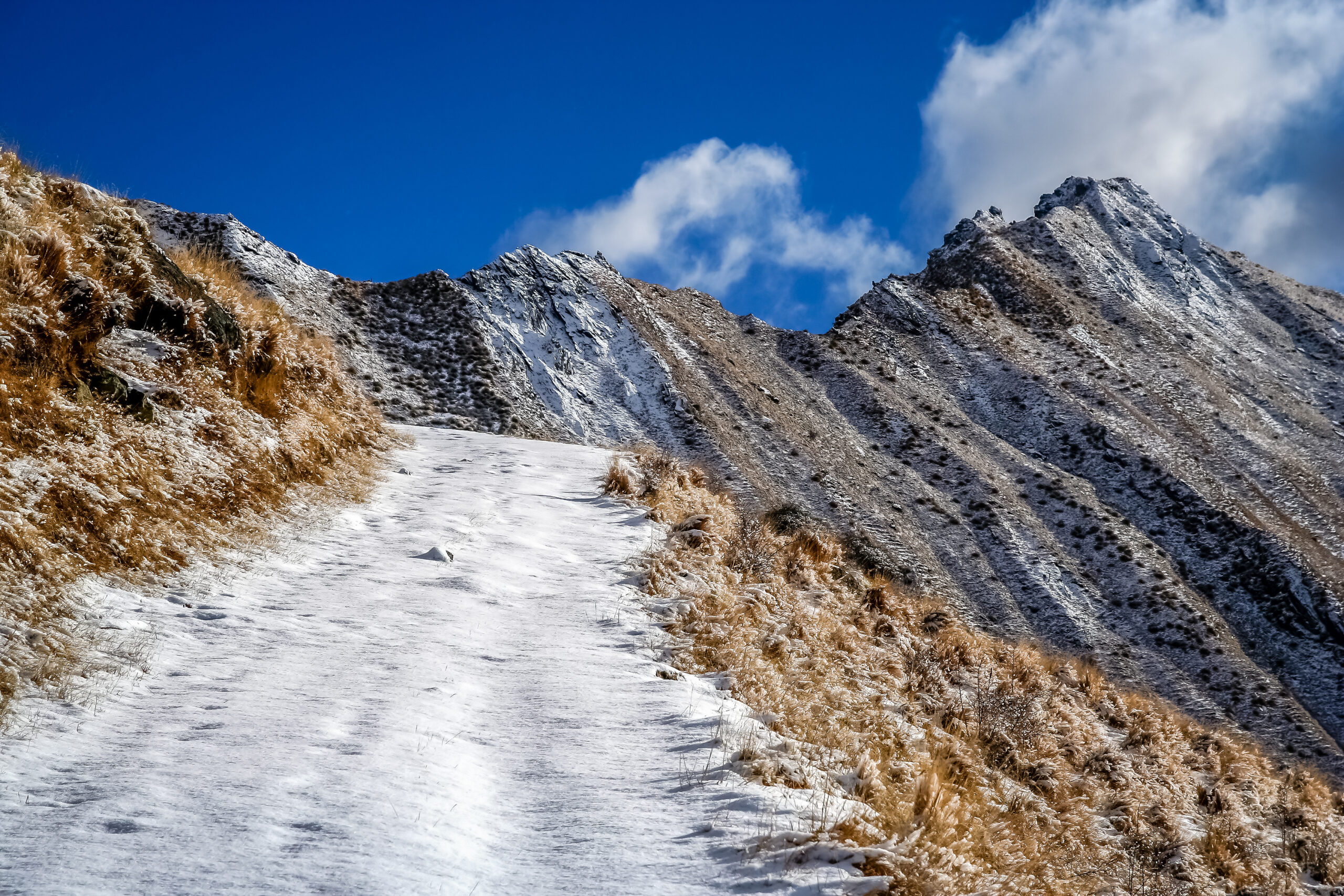
Kush Kalyan Bugyal
Quick Trek Comparison Table
| Trek Name | Altitude | Duration | Difficulty | Highlights | Best For |
|---|---|---|---|---|---|
| Valley of Flowers & Hemkund | 12,000 ft | 6 days | Easy–Moderate | UNESCO wildflower valley, sacred lake | Nature lovers & pilgrims |
| Chopta–Tungnath–Chandrashila | 13,000 ft | 4–5 days | Easy–Moderate | Highest Shiva temple, peak views | Beginners, photographers |
| Dayara Bugyal | 12,000 ft | 4–5 days | Easy | Meadows, Himalayan panorama | Families, first-timers |
| Nag Tibba | 9,910 ft | 2 days | Easy | Weekend trek, ridge views | Quick getaways |
| Har Ki Dun | 11,700 ft | 7–8 days | Moderate | Ancient villages, mythic valley | Culture & nature lovers |
| Pindari Glacier | 12,300 ft | 6–7 days | Moderate | Accessible glacier, rivers | Adventure seekers |
| Roopkund | 15,700 ft | 7–8 days | Moderate–Difficult | Skeleton Lake, bugyals | Experienced trekkers |
| Kush Kalyan Bugyal | 12,000 ft | 6–7 days | Moderate | Offbeat alpine meadows | Solitude seekers |
Planning Your Trek: Permits, Logistics & Best Time to Visit
Best Months: July–September is ideal for monsoon treks, while late September–October offers clearer skies post-monsoon.
Permits:
Valley of Flowers & Hemkund Sahib → Entry permits needed.
Protected areas (like Nanda Devi zone) → Restricted, check with Uttarakhand Forest Department.
Stays: Base villages like Joshimath, Chopta, Sankri, and Lohajung offer homestays, lodges, and campsites.
Transport: Roads can be affected by landslides in monsoon—always keep buffer days.
Trekking Agencies: Trusted operators like Indiahikes, TTH, and local guides ensure safety and logistics.
Bedni Bugyal, Uttarakhand
Conclusion: Dive Into the Monsoon & Plan Your Escape
Monsoon treks in Uttarakhand are about more than walking trails—they’re about feeling the Himalayas in their purest, most vibrant form. Whether it’s the flower-laden valleys of Valley of Flowers, the mystical charm of Tungnath, or the solitude of Kush Kalyan Bugyal, each trek tells a story only the rains can write.
So if you’ve only trekked in summer or winter, give monsoon a chance. Pack your raincoat, embrace the mist, and step into Uttarakhand’s lush green wonderland. 🌿
Frequently Asked Questions about Monsoon Treks in Uttarakhand
Q1. Are monsoon treks in Uttarakhand safe?
Yes, monsoon treks in Uttarakhand are safe if you choose beginner to moderate-level routes, go with certified trek leaders, and carry proper rain gear. Avoid risky river crossings and always check the weather forecast before starting.
Q2. Which trek is best for beginners in the monsoon season?
Dayara Bugyal, Chopta–Chandrashila, and Nag Tibba are the best beginner-friendly treks during monsoon. They are short, scenic, and safe while offering breathtaking Himalayan views.
Q3. What is the most scenic monsoon trek in Uttarakhand?
The Valley of Flowers is considered the most scenic monsoon trek. This UNESCO World Heritage Site comes alive with hundreds of blooming alpine flowers, colorful meadows, and majestic Himalayan peaks.
Q4. How many days are required for a monsoon trek in Uttarakhand?
Most treks take between 4 to 7 days. For example, Valley of Flowers with Hemkund Sahib requires 6 days, while shorter ones like Nag Tibba can be done in 2–3 days.
Q5. Which month is best for monsoon treks in Uttarakhand?
The best months are July and August for Valley of Flowers (peak bloom), while September is ideal for clearer skies and less rainfall in treks like Dayara Bugyal and Nag Tibba.